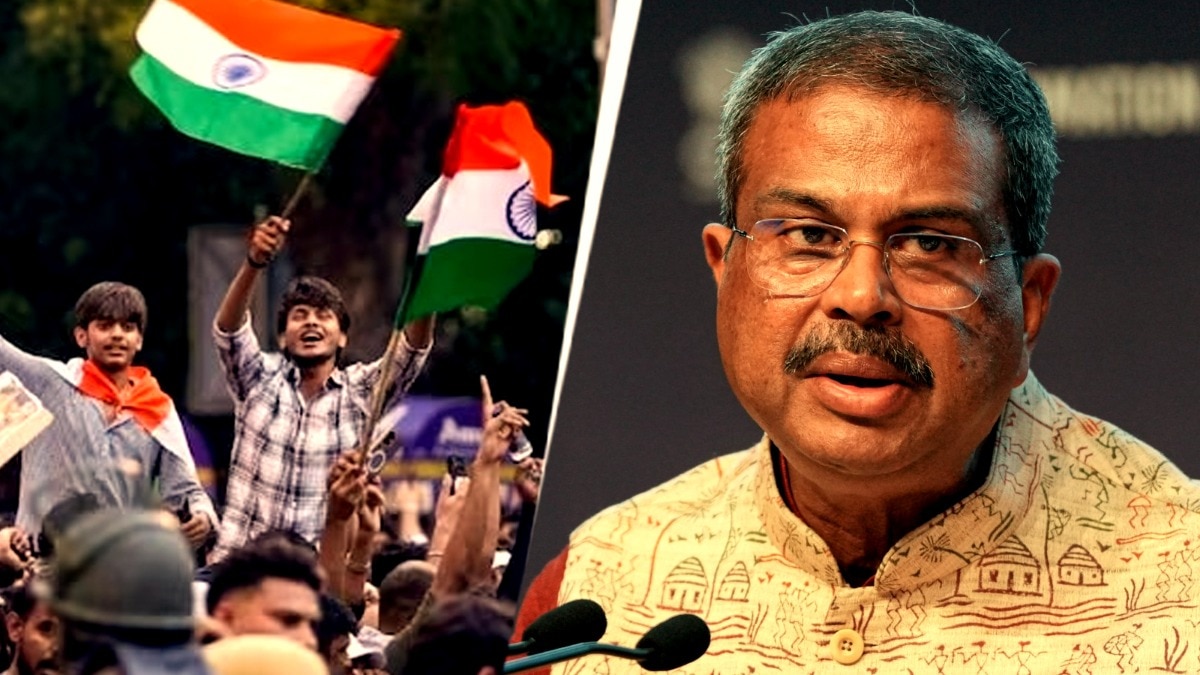
Union Education Minister Dharmendra Pradhan resigned after intense talks with the Cockroach Janta Party (CJP), which issued a 72‑hour ultimatum. The demand accelerated the government's decision, marking a rare political upset in India.
Key Takeaways
- Dharmendra Pradhan stepped down after a 72‑hour ultimatum
- CJP declared its main demand met and ended the protest
- Government launched sweeping reforms at the National Testing Agency
Background
Weeks of nationwide protests over alleged NEET‑UG irregularities set the stage for a volatile political climate. The student coalition, Cockroach Janta Party (CJP), issued a 72‑hour ultimatum demanding Pradhan’s removal, threatening a march on Parliament if ignored.
Negotiation Timeline
During the second round of talks on Friday, Union ministers JP Nadda and Dr. Jitendra Singh received the ultimatum. CJP warned that failure to act within 72 hours would trigger a renewed march toward Parliament. Both ministers pledged to discuss the demand with the Prime Minister’s Office and briefed Home Minister Amit Shah.
Governmental Measures
Simultaneously, the administration began a major overhaul of the National Testing Agency (NTA). Forty‑seven NTA officials were dismissed, and a recruitment drive was launched to restructure the agency. Yet CJP insisted that administrative reforms alone would not suffice; Pradhan’s resignation was deemed essential for accountability.
Resignation and Aftermath
On Saturday, Pradhan submitted his resignation to Prime Minister Narendra Modi. Nadda and Jitendra Singh then held a third round of talks with CJP to settle remaining issues. In a joint press conference, CJP announced the withdrawal of its agitation, urging protesters at Jantar Mantar and across the country to return home peacefully.
Why This Matters
BozokMedia analysis shows that this episode underscores the growing political clout of student movements in India, signalling a shift where civil society can directly influence cabinet‑level decisions.
"Such high‑level resignations reinforce accountability in Indian democracy," says political analyst Dr. Anita Sharma.
Frequently Asked Questions
Q1: Did the CJP’s ultimatum directly cause Pradhan’s resignation?
A: The ultimatum accelerated the process, but a combination of public unrest, examination reforms, and political calculations also played crucial roles.
Q2: Will student groups influence other ministries in the future?
A: Experts believe that heightened student activism and social‑media reach could lead to similar pressures on other ministries.