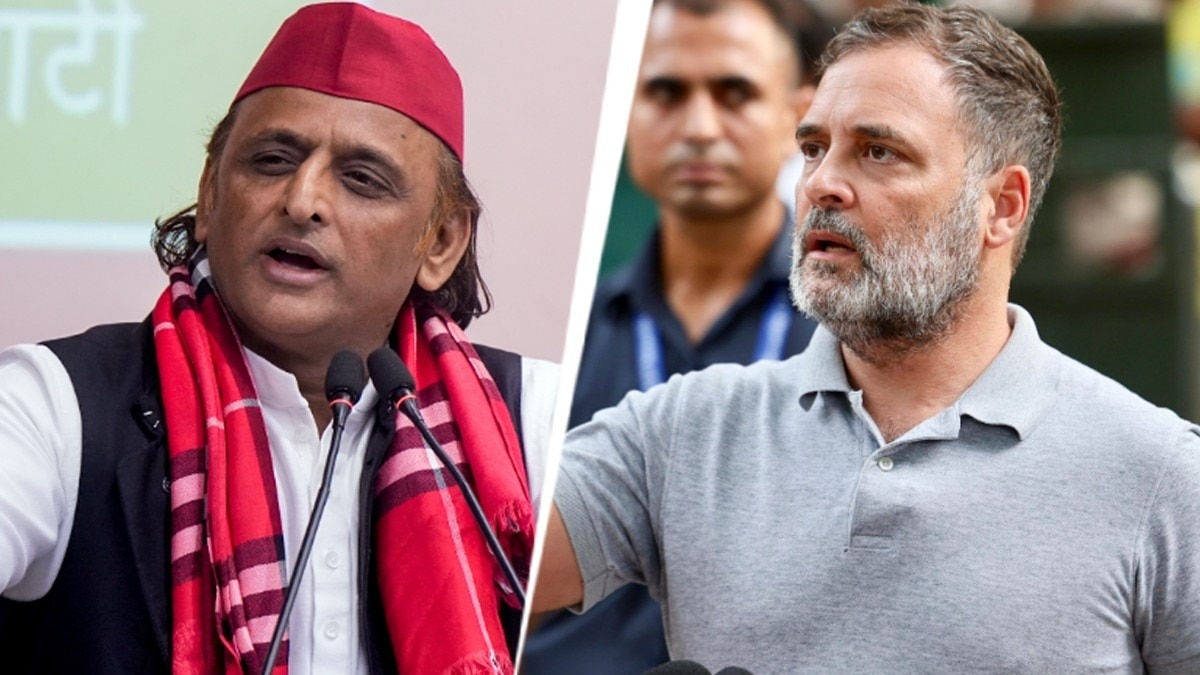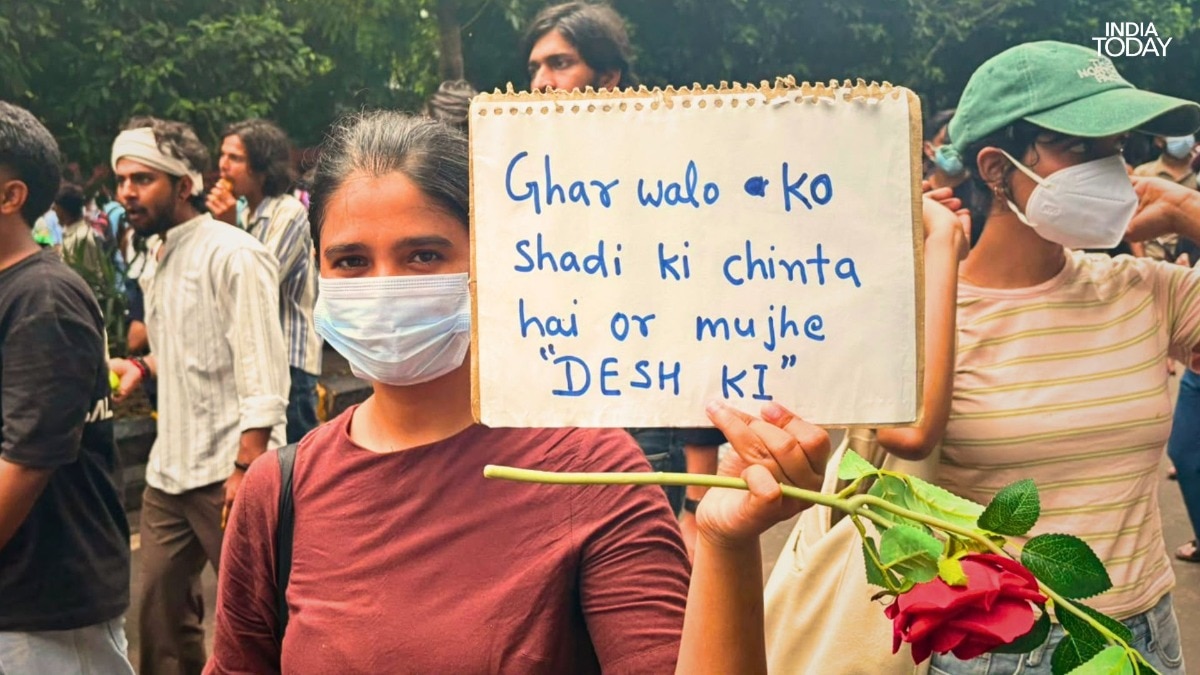
The resignation of Education Minister Dharmendra Pradhan marks a turning point in Indian politics. Driven by Gen Z protesters at Jantar Mantar, the movement utilized digital tools to transform dissent into a viral phenomenon.
Key Takeaways
- Gen Z's unique protest methods were instrumental in forcing Education Minister Dharmendra Pradhan's resignation.
- Smartphones and social media became the primary tools of communication and dissent.
- The movement shifted from traditional political rhetoric to a hybrid, internet-driven language.
For over a month, the Jantar Mantar protest site in New Delhi has been the epicenter of a movement that has fundamentally altered the landscape of Indian activism. When Union Education Minister Dharmendra Pradhan finally resigned this Saturday, the political fallout was immediate. While opposition parties scrambled for credit, a deeper truth emerged: this was a victory of the Gen Z generation and their unprecedented mastery of digital communication.
The Digital Frontline: Memes as Weapons of Dissent
Unlike the massive rallies of the past, the Cockroach Janta Party (CJP) movement was defined by millions of glowing smartphone screens. For Gen Z, content is not just entertainment; it is the primary mode of expression. When the Delhi Police conducted a lathi-charge, the incident didn't just end on the streets—it exploded onto Instagram Reels, YouTube Shorts, and X. Within hours, students were not just sharing videos of the violence; they were remixing them with dramatic music and sarcastic captions, turning a moment of suppression into a tool of mockery.
Why This Matters
BozokMedia analysis shows that this movement represents a paradigm shift in how political pressure is applied in the 21st century. It is no longer enough to occupy a physical space; one must also occupy the digital narrative. The ability to turn a grievance into 'content' allows a movement to travel faster and wider than any traditional political machine can manage.
"If anyone has shown what it means for India to be a Vishwaguru, it is our Gen Z. They have lived Sanatan Dharma, not preached it." — Gitanjali J Angmo
The movement leveraged the 'FOMO' (Fear Of Missing Out) culture to its advantage. Every viral story served as a silent invitation, creating a psychological nudge that compelled more students to join. By using a hybrid language of English and Hindi—the instinctive tongue of the internet—they bypassed traditional media gatekeepers and spoke directly to their peers.
Frequently Asked Questions
1. What was the core demand of the CJP protesters?
The protesters demanded accountability and significant reforms within the national education system.
2. How did social media influence the outcome?
Social media amplified the scale of the protest, making the movement impossible to ignore for the central government.