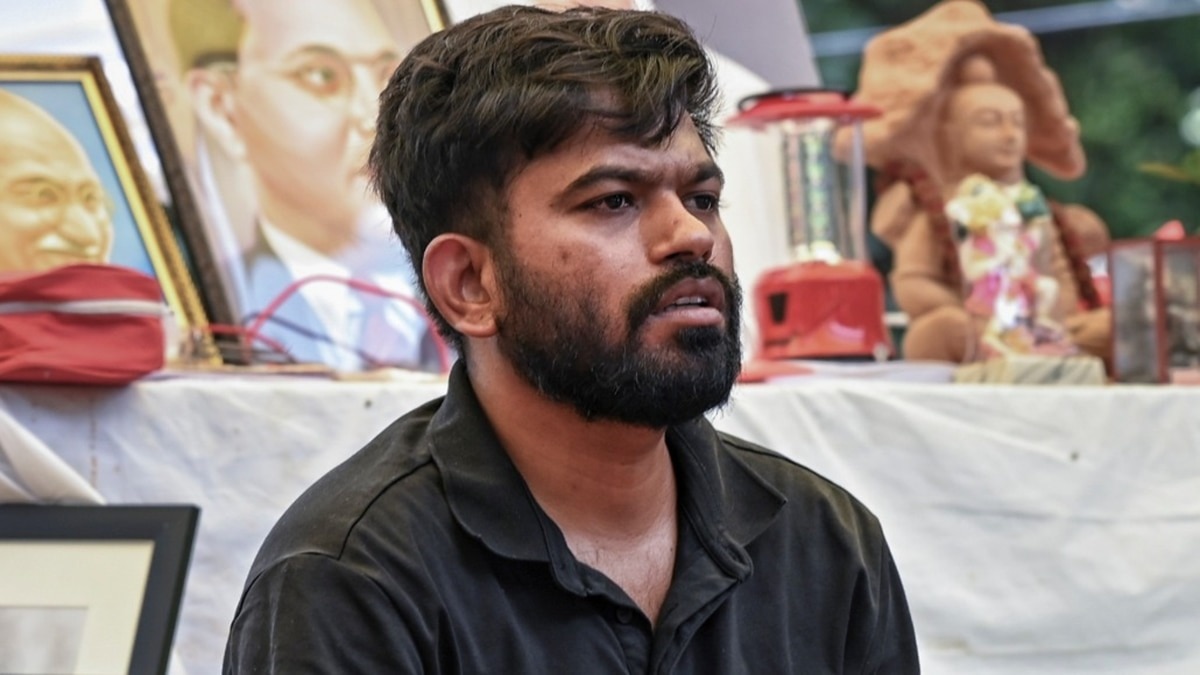
The ongoing protests at Jantar Mantar have intensified as the Committee for Justice and Peace (CJP) holds crucial talks with the government. Protestors are steadfastly demanding the resignation of Education Minister Dharmendra Pradhan and a Rs 1 crore compensation for the families of suicide victims.
Key Takeaways
- The CJP has declared the resignation of Union Education Minister Dharmendra Pradhan as a non-negotiable demand.
- Protestors are demanding Rs 1 crore compensation for the families of student suicide victims and systemic exam reforms.
- Senior government leaders, including JP Nadda and Jitendra Singh, are leading the talks to resolve the impasse.
The historic Jantar Mantar in New Delhi has once again become the epicenter of massive student-led protests. Under the banner of the Committee for Justice and Peace (CJP), demonstrators have made it clear that they will not back down until their demands are met. The agitation stems from recent alleged irregularities and paper leaks in national-level competitive exams, which have put the future of millions of students in jeopardy.
A critical round of talks between the protestors and the government is currently underway. The government delegation is being led by BJP President JP Nadda and Union Minister Jitendra Singh. However, CJP spokespersons have accused the administration of evasiveness, stating that there has been a complete failure in establishing administrative accountability. The protestors maintain that the minister's resignation is the first step toward restoring public trust.
Why This Matters
BozokMedia analysis shows that this protest is not merely a localized student grievance; it reflects a deep-seated systemic crisis in India's public examination framework. If the government fails to address these concerns swiftly, it could severely damage its political standing among the youth, who constitute a massive and influential voting demographic. This anger serves as a major warning to the nation's policymakers.
"This movement transcends the demand for a single minister's resignation; it is a critical call for systemic accountability and putting student welfare at the forefront of democratic governance." - Senior Education Policy Analyst.
Historical Background and Roots of the Conflict
Over the past few years, the conduct of national-level competitive exams (such as NEET and UGC-NET) in India has faced continuous scrutiny. Repeated paper leaks and technical glitches have led to exam cancellations, triggering immense psychological pressure and despair among aspirants. Tragically, this extreme stress has resulted in several student suicides across the country, prompting the CJP to demand heavy financial compensation for the bereaved families as a matter of priority.
| CJP Demands | Government Stance |
|---|---|
| Immediate resignation of Dharmendra Pradhan | Demand rejected; promised structural reforms |
| ₹1 Crore compensation for suicide victims' kin | Under legal and financial review |
| Overhaul of the National Testing Agency (NTA) | High-level reform committee has been constituted |
Frequently Asked Questions
Q1: What are the primary demands of the CJP?
Answer: The CJP's primary demands include the immediate resignation of Education Minister Dharmendra Pradhan, Rs 1 crore compensation for suicide victims' families, and comprehensive reforms in the national exam system.
Q2: Who is representing the government in these negotiations?
Answer: Senior leaders JP Nadda and Jitendra Singh are leading the government's delegation in talks with the protest representatives.