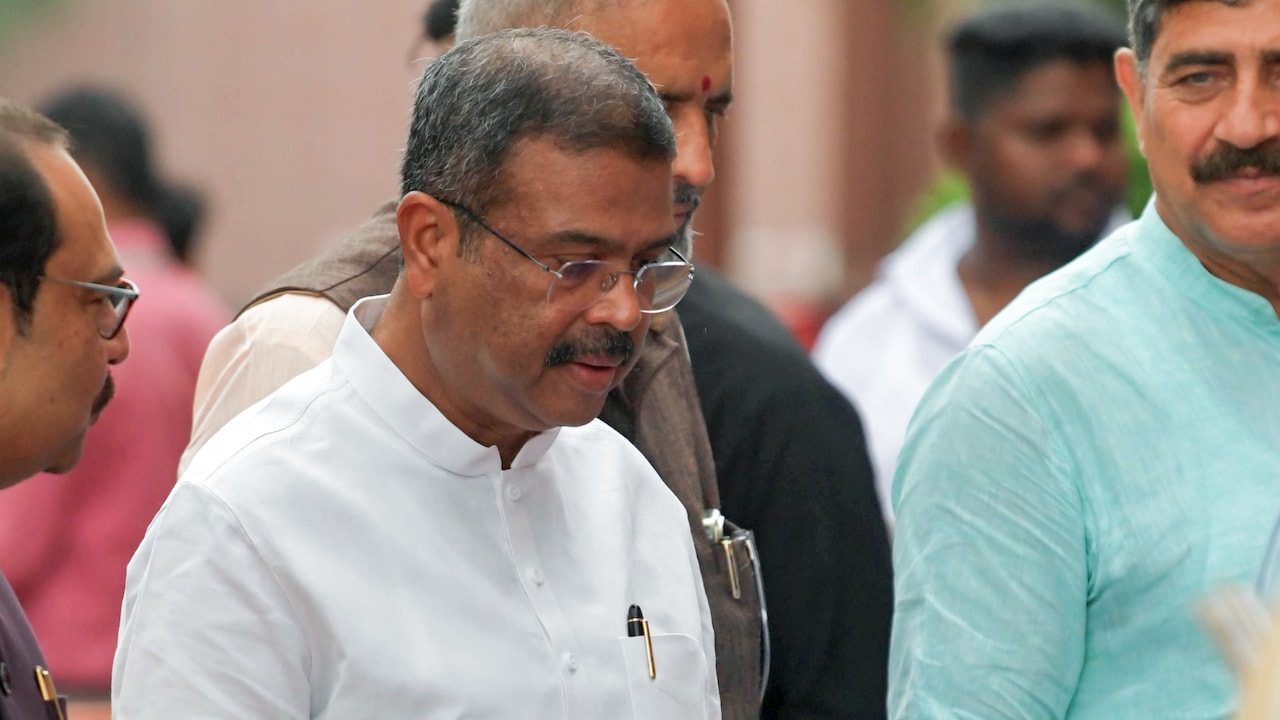
Education Minister Dharmendra Pradhan has resigned, citing the need to protect students and national unity from exploitation by anti-national forces.
Key Takeaways
- Dharmendra Pradhan resigned to protect student interests and national unity.
- His tenure was defined by the implementation of the National Education Policy (NEP).
- The NEET examination controversies posed significant challenges to his leadership.
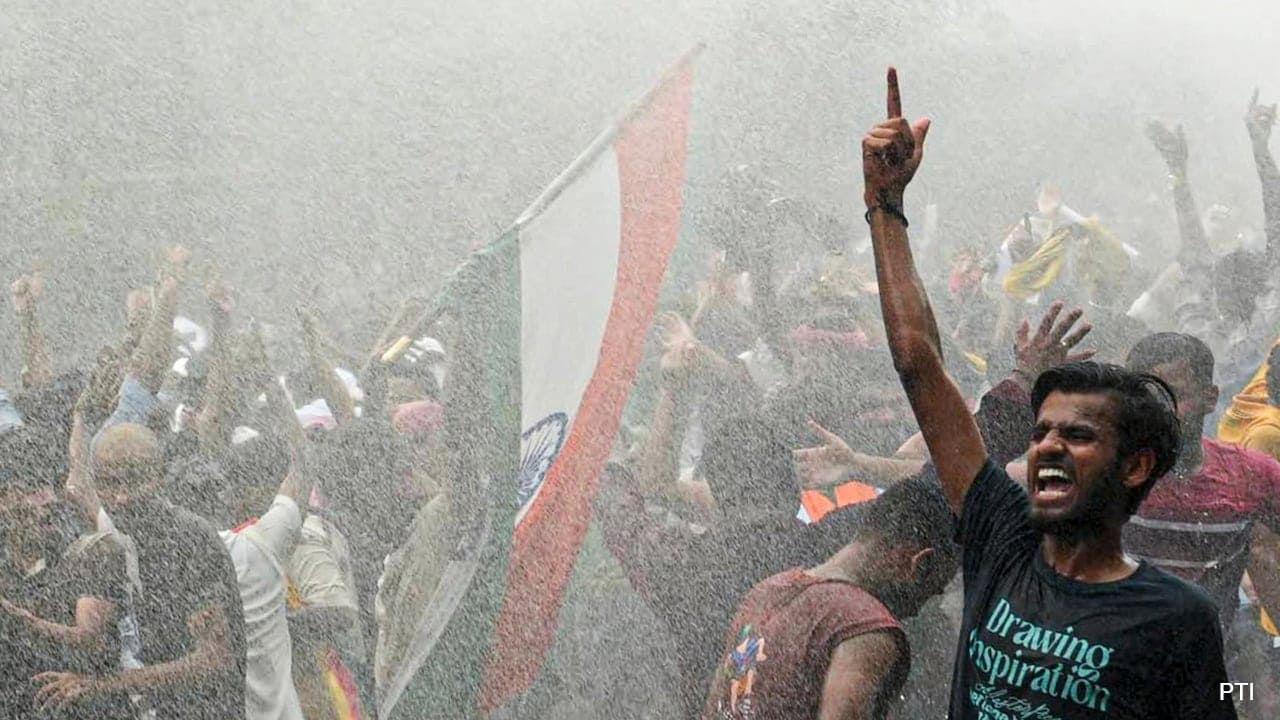
In a sudden development that has sent shockwaves through the political landscape, Union Education Minister Dharmendra Pradhan has stepped down from his position. In a resignation letter shared via X, Pradhan stated that his decision was motivated by the desire to safeguard the future of students and prevent "anti-national forces" from exploiting ongoing protests.
A Legacy of Reform: The NEP Era
Pradhan's leadership will be remembered primarily for the ambitious rollout of the National Education Policy (NEP). Aimed at transforming India's pedagogical landscape, the policy sought to shift focus from rote learning to holistic, skill-based education. While the vision was lauded, the execution faced systemic hurdles.
Why This Matters
BozokMedia analysis shows that Pradhan's exit marks a critical juncture for India's educational governance. The intense scrutiny surrounding the NEET examination has created a trust deficit among millions of aspirants, making the Ministry's position increasingly precarious amidst political and social unrest.
The intersection of massive structural reform and the crisis of examination integrity has defined this tumultuous period in Indian education.
Historical Background: Over the last four years, the Ministry of Education has undergone significant digital transformation. However, the recurring controversies regarding competitive exams have tested the resilience of the country's academic institutions.
Frequently Asked Questions
Question 1: What was the primary reason for Pradhan's resignation?
Answer: He cited the protection of students' futures and the preservation of national unity as his main reasons.
Question 2: How did the NEET controversy affect his ministry?
Answer: The controversy led to widespread protests and intense public scrutiny regarding the fairness of national-level entrance exams.