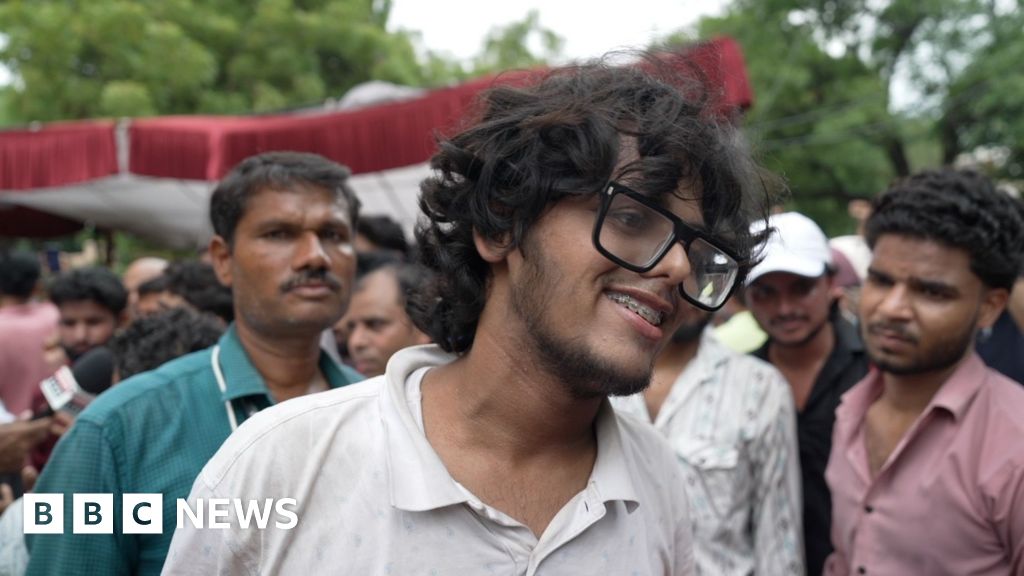
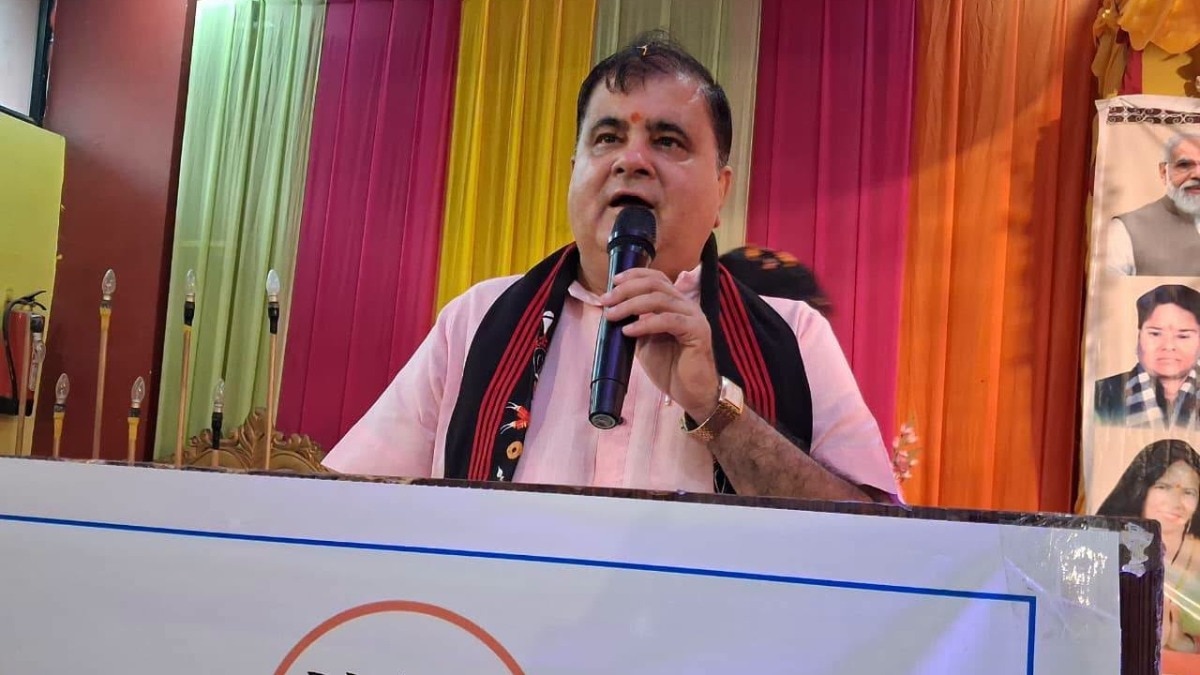
Following the recent CJP victory, the E20 Janta Party is demanding a no‑ethanol fuel option. Delhi taxi and transporter unions plan a protest march to Parliament on August 4. The government is urged to reconsider its ethanol‑blend policy.
Key Takeaways
- CJP win fuels intensified anti‑ethanol movement
- E20 Janta Party demands ethanol‑free fuel option
- Delhi taxi unions to march on August 4
The recent triumph of the Central Justice Party (CJP) has reignited a national debate over ethanol‑blended petrol. Capitalizing on this momentum, the newly formed E20 Janta Party launched a campaign calling for a completely ethanol‑free fuel alternative.
Party’s Demand
The E20 Janta Party argues that blending ethanol raises costs and hampers vehicle performance. They are urging the government to adopt a pure‑petrol policy without any ethanol admixture.
Planned Protest
Delhi’s taxi and transporter associations have scheduled a march to Parliament on August 4, mobilising thousands of drivers and union representatives to voice their opposition to the current blend.
Historical Background
Since 2016, India has mandated up to 10% ethanol in petrol to boost energy security and reduce emissions. However, many transporters report reduced engine power and higher maintenance expenses, leading to periodic protests across several states without a comprehensive policy shift.
Why This Matters
BozokMedia analysis shows that a shift away from ethanol blends could reshape India's fuel market, impact agricultural ethanol demand, and influence future climate commitments.
"The call for ethanol‑free fuel is not just a cost issue; it touches on vehicle reliability and broader environmental policy," says energy policy expert Dr. Anshu Mishra.
Frequently Asked Questions
Q1: When will ethanol‑free petrol become available?
A: The government has not announced a timeline; it will depend on the outcome of the policy review.
Q2: How might fuel prices change if ethanol is removed?
A: Prices could initially rise due to production adjustments, though experts suggest long‑term stabilization.