A deep dive into the 49-day CJP movement that shook the nation. Witness the journey of protests, police clashes, and the ultimate resignation of the Education Minister.
Key Takeaways
- The CJP movement successfully forced the resignation of Union Education Minister Dharmendra Pradhan.
- Protests erupted nationwide, including Delhi, Mumbai, and Thiruvananthapuram.
- Environmental activist Sonam Wangchuk led a hunger strike demanding constitutional safeguards for Ladakh.
- Police utilized tear gas and water cannons to disperse massive crowds.
The recent CJP (Cockroach Janata Party) movement has emerged as a defining moment in Indian political history. Spanning 49 intense days, the protest began with a demand for the resignation of Education Minister Dharmendra Pradhan and quickly escalated into a nationwide wave of civil unrest.
Nationwide Unrest and Police Confrontations
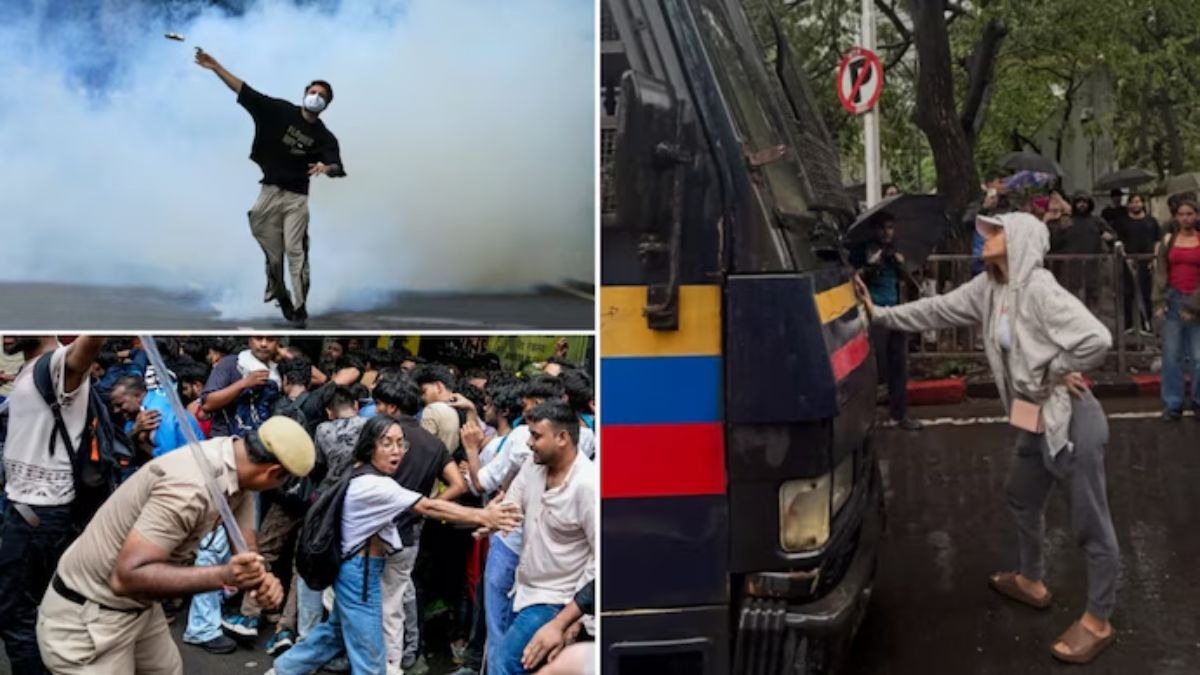
The intensity of the protests was visible on the streets of the capital. On July 20, during a march towards Parliament, police deployed tear gas to control the surging crowds. The tension at Jantar Mantar was palpable, with protesters holding signs reading 'We are not your children,' signaling a deep-seated demand for government accountability. In Thiruvananthapuram, the Students' Federation of India (SFI) faced water cannons, yet the protesters remained undeterred by the forceful water jets.
Why This Matters
BozokMedia analysis shows that this movement transcended local grievances to become a symbol of systemic dissatisfaction among the youth. The expansion of protests to cities like Mumbai, where students stood defiantly against police vans, proves that the movement had achieved significant grassroots momentum.
This movement represents a tectonic shift in citizen activism and the rising power of student-led political discourse.
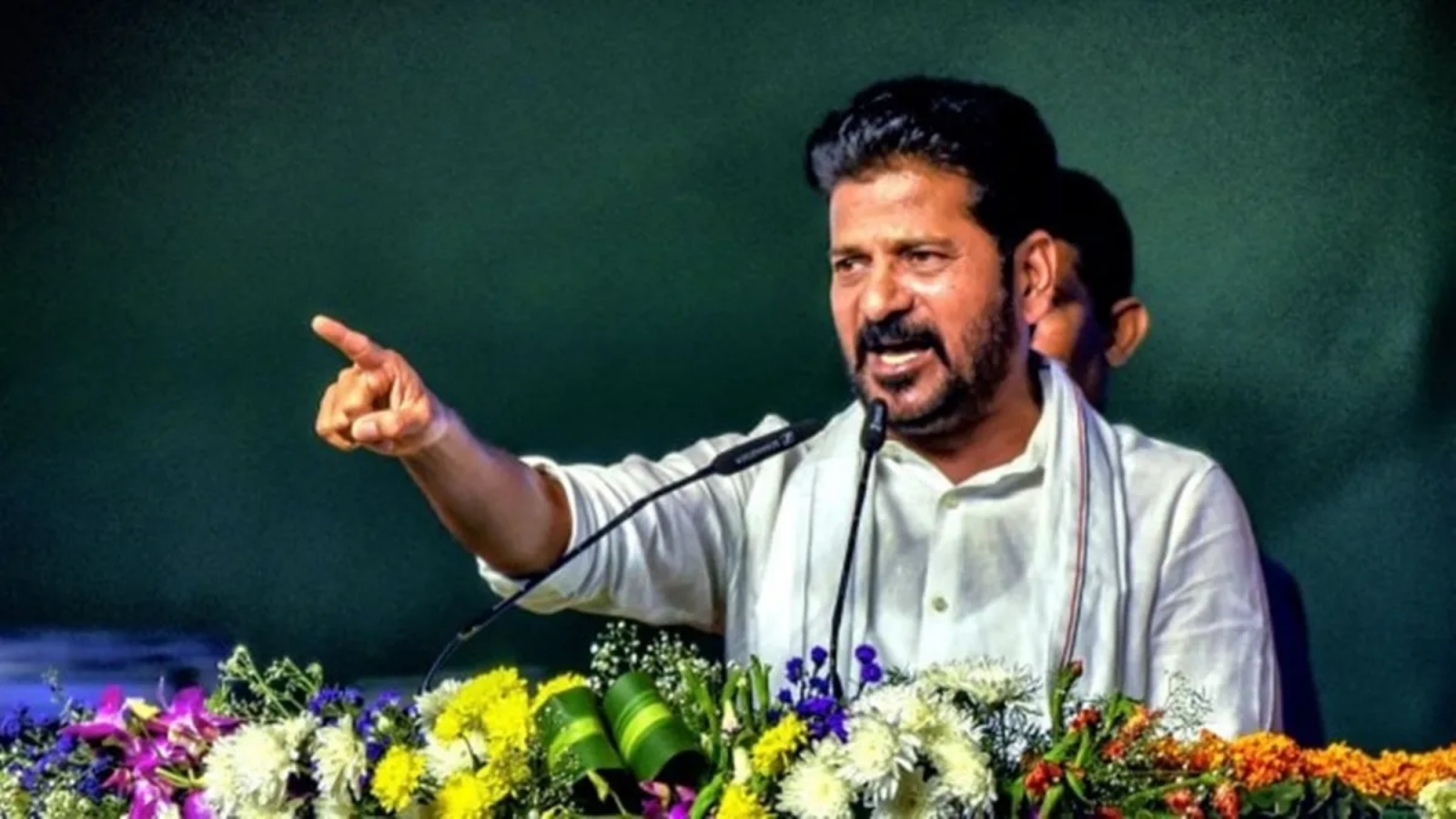
A critical dimension of the movement was the struggle led by environmentalist Sonam Wangchuk. His hunger strike at Jantar Mantar, aimed at securing constitutional protections for Ladakh, saw him being hospitalized due to deteriorating health. Political figures like Samajwadi Party MP Dimple Yadav also joined the fray, providing moral support to the protesting students.
Frequently Asked Questions
Q1: What was the primary goal of the CJP movement?
A: The primary goal was the resignation of Education Minister Dharmendra Pradhan and securing constitutional rights for Ladakh.
Q2: How did the movement conclude?
A: The movement culminated in celebration on July 25, following the official resignation of Dharmendra Pradhan.