A growing divide in US politics and media is emerging as lawmakers break traditional patterns regarding Israel. Congressman Ro Khanna's recent visit to the West Bank has ignited a fierce debate.
Key Takeaways
- Traditional US-Israel political norms are being challenged.
- Congressman Ro Khanna broke protocol by visiting the West Bank.
- The confrontation highlights deep-seated media and political divides.
The political and media landscape in the United States is undergoing a significant transformation regarding its stance on Israel. For decades, traveling to Israel has been a standard 'rite of passage' for US politicians, typically involving government-led public relations tours designed to reinforce bilateral ties.
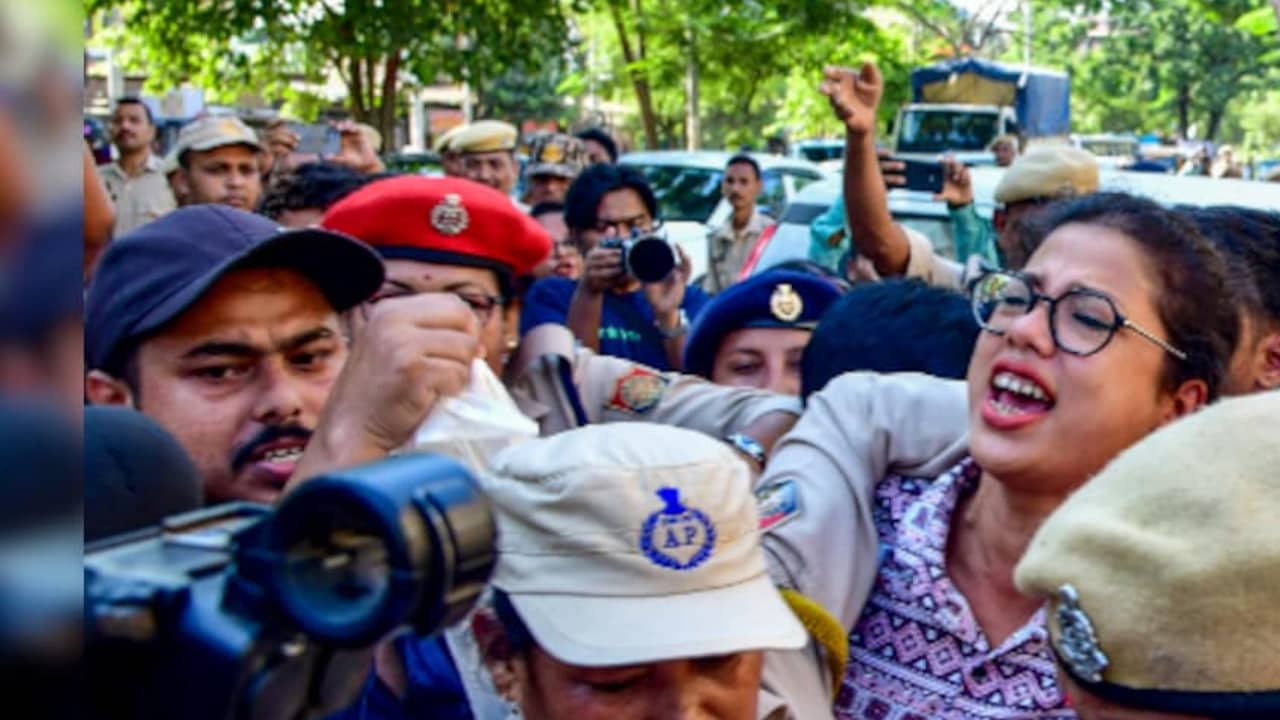
However, this long-standing pattern was disrupted this past week by US Congressman Ro Khanna. In a departure from political orthodoxy, Khanna joined Palestinian residents in the occupied West Bank, choosing to engage directly with the realities on the ground rather than participating in curated diplomatic tours.
Why This Matters
BozokMedia analysis shows that this shift is not merely an isolated incident but a symptom of a widening ideological gap within the American political establishment. The subsequent confrontation with Israeli soldiers and the polarized media reaction underscore the struggle to control the narrative surrounding the Israeli-Palestinian conflict.
The confrontation in the West Bank serves as a microcosm of the broader struggle for narrative control in US foreign policy.
As more lawmakers begin to question established diplomatic protocols, the influence of traditional pro-Israel lobbying and media framing may face unprecedented scrutiny. This evolution reflects changing sentiments among younger voters and progressive factions within the Democratic Party.
Historical Background
Historically, US support for Israel has been a cornerstone of American foreign policy, enjoying near-unanimous bipartisan support. However, recent humanitarian crises and shifting geopolitical priorities have led to a more nuanced and often contentious debate in Washington and the American media sphere.
Frequently Asked Questions
Question 1: Why is Ro Khanna's visit significant?
Answer: It challenged the traditional 'PR tour' model and brought direct attention to Palestinian experiences in the West Bank.
Question 2: Is the US media coverage changing?
Answer: There is an increasing trend of diverse perspectives and critical analysis regarding Israel's actions in the media, moving away from a singular narrative.