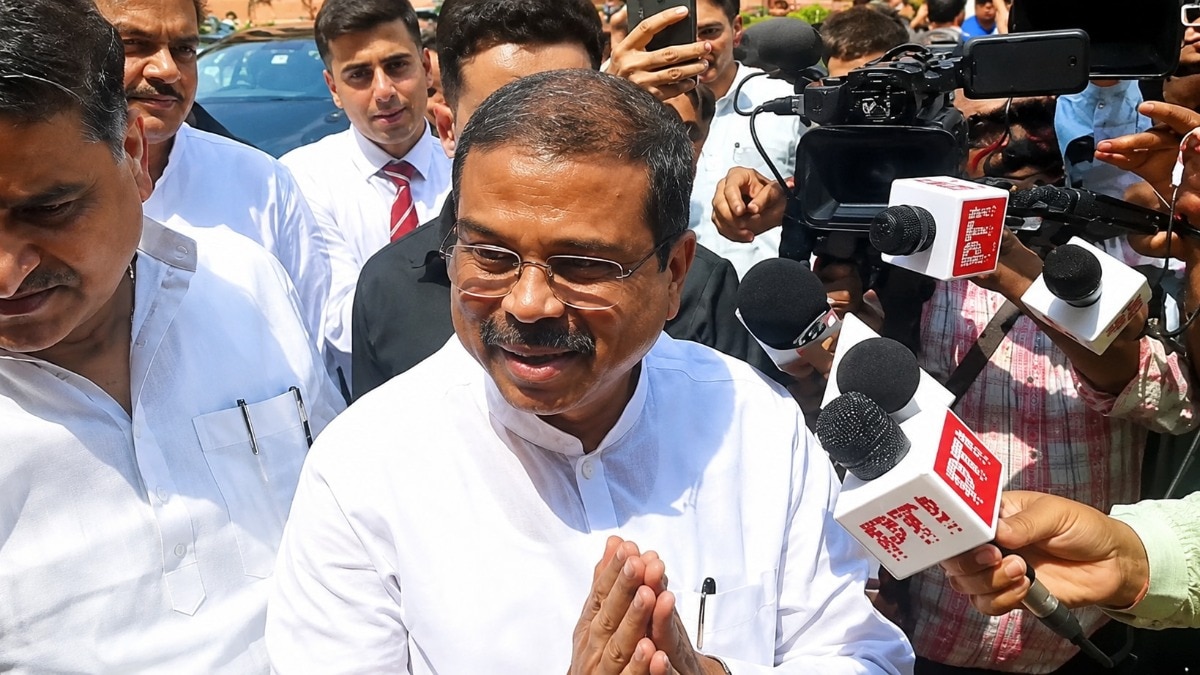
Former Education Minister Dharmendra Pradhan visited Parliament for the first time after resigning, facing a barrage of questions from opposition MPs which he chose to ignore. The episode comes as the House session was adjourned, intensifying the political deadlock.
Key Takeaways
- Dharmendra Pradhan visited Parliament for the first time after resigning.
- Opposition lawmakers asked multiple questions, but he remained silent.
- The House session was suspended, heightening political tension.
Situation Overview
On Monday, 27 July 2026, former Education Minister Dharmendra Pradhan entered the Parliament building for the first time since tendering his resignation. NDA MPs greeted him enthusiastically, draped a scarf over his shoulders, and escorted him inside. Opposition parties seized the moment to raise issues ranging from the student lathi‑charge to the use of pallet guns.
Silence in the Face of Queries
As Pradhan exited the House, reporters pressed him on why the opposition was blocking parliamentary business despite his resignation, and what his stance was on the pending Anti‑Paper‑Leak Bill. He merely folded his hands in greeting and walked away without offering any comment.
Opposition‑Government Clash
The opposition is demanding Home Minister Amit Shah answer questions in the House about the police’s use of lathi charges and pallet guns on students, a demand that has stalled the session. The government frames the issue as a matter of national security, while the opposition brands it a human‑rights violation.
Historical Background
It is rare in Indian politics for a cabinet minister to appear in Parliament immediately after resigning. In 2014, Education Minister Smriti Irani faced a similar protest but chose to address questions directly, diffusing the tension. Pradhan’s refusal to respond marks a distinct departure from that precedent.
Why This Matters
BozokMedia analysis shows that Pradhan’s silence not only jeopardizes his own political future but also deepens the existing rift between the ruling coalition and the opposition, potentially delaying critical legislative work.
“Avoiding answers in Parliament undermines democratic transparency,” says political analyst Dr. Anju Kumar.
Frequently Asked Questions
Q1: Has Dharmendra Pradhan’s resignation been formally accepted?
A: Yes, the Prime Minister’s Office has accepted his resignation, and he is no longer the Education Minister.
Q2: Is the Anti‑Paper‑Leak Bill still under consideration?
A: The bill remains pending, but opposition protests have prevented it from being debated further.