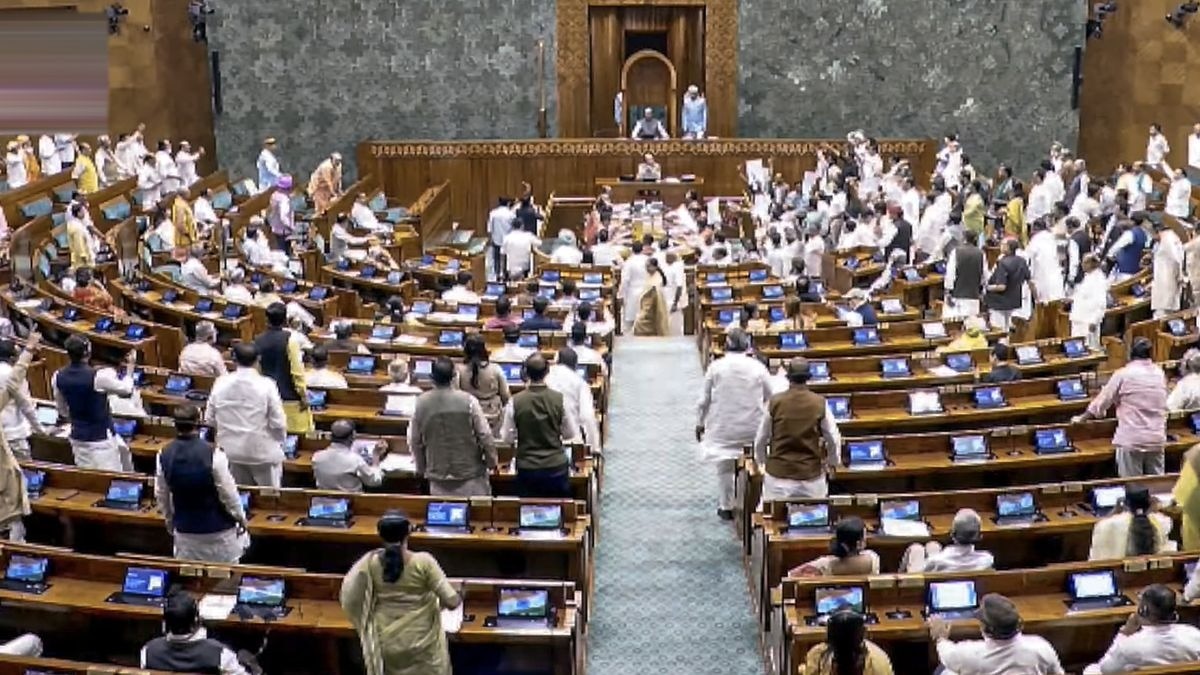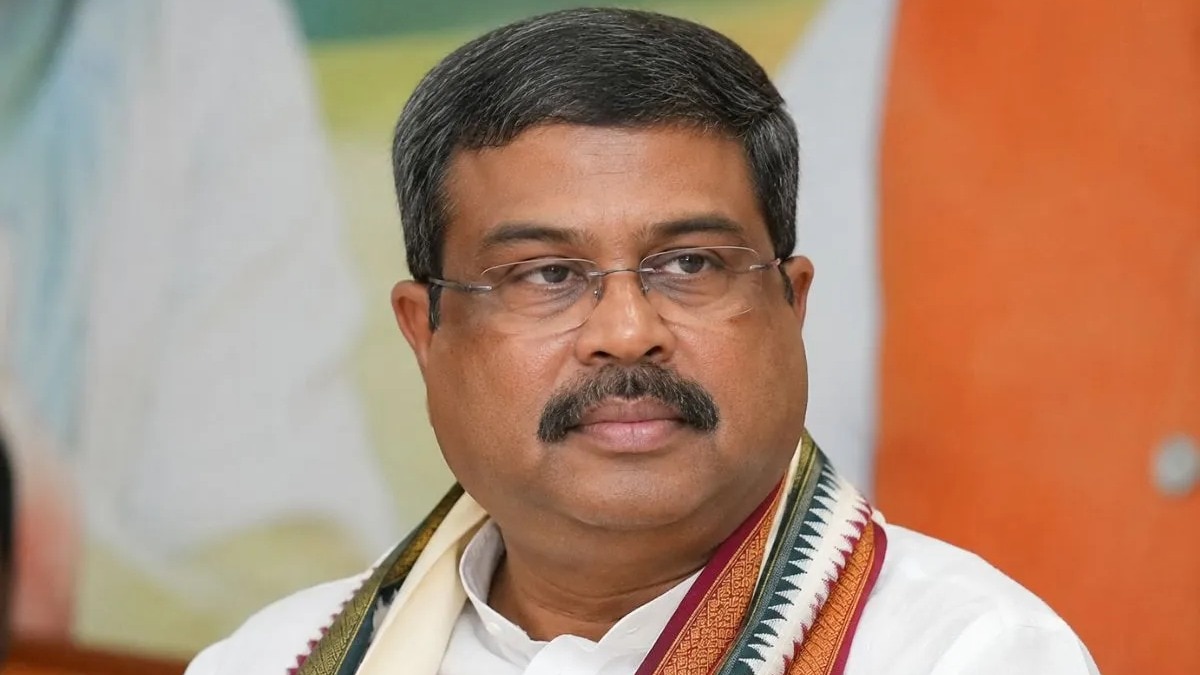
Former Union Education Minister Dharmendra Pradhan has quit amid the NEET paper‑leak scandal and administrative lapses, a move that could reshape his political trajectory and India’s education policy.
Key Takeaways
- Dharmendra Pradhan resigns from the Education Ministry
- NEET paper‑leak and NTA shortcomings cited as primary reasons
- The resignation signals major shifts in politics and education reform
Dharmendra Pradhan, who served as India’s Union Education Minister since 2024, tendered his resignation on July 27, 2026. The decision comes after months of controversy surrounding the NEET examination paper‑leak, alleged biases in the new UGC regulations, and heated debates over changes to NCERT textbooks.
Within the Bharatiya Janata Party, Pradhan was regarded as a disciplined, crisis‑management leader who had previously steered key state election campaigns. However, once he assumed the education portfolio, his previously spotless record was marred by policy setbacks: the three‑language formula in several southern states, backlash in Tamil Nadu, West Bengal and Maharashtra, and the UGC’s contentious caste‑equality clause that sparked nationwide protests.
The recurring NEET paper‑leak incidents and the perceived inertia of the National Testing Agency (NTA) eroded public confidence. Between 2024 and 2026, multiple criminal networks attempted to manipulate the exam process, prompting the Supreme Court’s intervention. In this volatile environment, Pradhan’s resignation is viewed less as a personal failure and more as an acknowledgment of systemic dysfunction.
Historical Background
Since its inception in 2013, the NEET exam has become the gateway for medical college admissions across India. The 2022 leak scandal was the first large‑scale breach, casting doubt on the NTA’s credibility. Subsequent committees, including one chaired by former ISRO chief Dr. K. Radhakrishnan, recommended sweeping reforms, yet implementation lagged, allowing malpractice to persist.
Why This Matters
BozokMedia analysis shows that Pradhan’s resignation not only reflects an individual decision but also exposes deep‑seated gaps in India’s education governance. The episode could influence voter sentiment ahead of upcoming elections and force a recalibration of policy priorities.
"Continuous administrative lapses in the education ministry jeopardize the future of millions of students," said education analyst Dr. Anita Singh.
Frequently Asked Questions
Q1: Will Pradhan’s resignation lead to tangible improvements in the NEET exam?
A: Experts believe a fresh leadership team could accelerate the implementation of the NTA’s reform recommendations.
Q2: How might this resignation affect the BJP’s political standing?
A: Both party insiders and opposition analysts view the move as a potential vulnerability that could sway undecided voters in forthcoming polls.