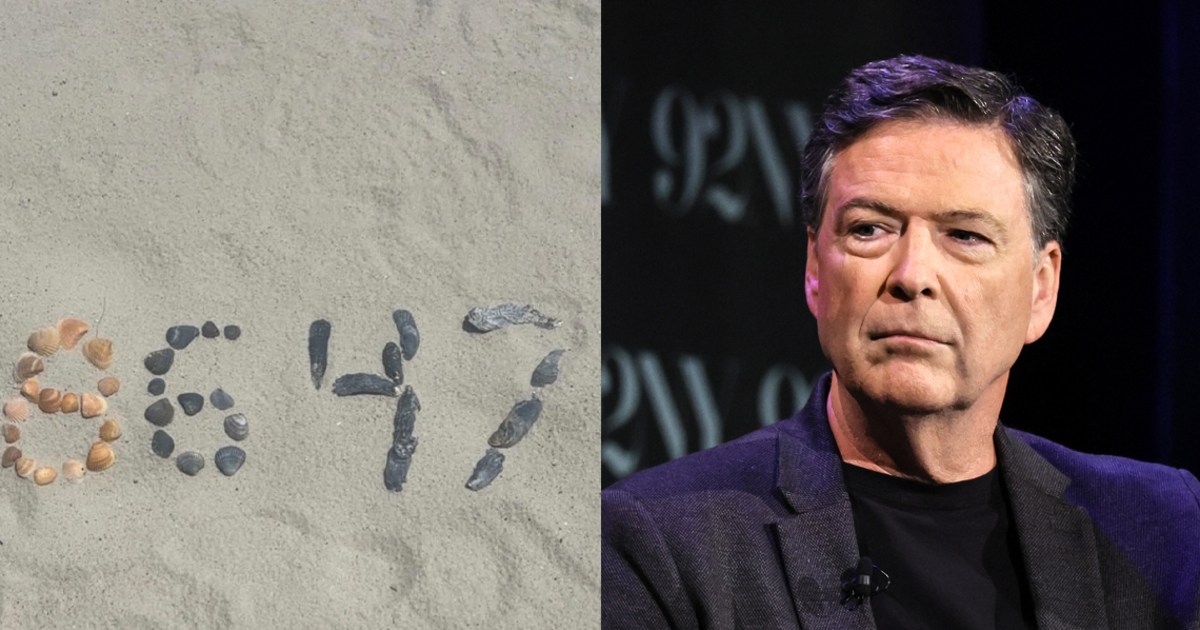
James Comey’s legal team has filed a motion to dismiss the Trump administration’s “seashells” case, arguing it violates free‑speech protections. If the case proceeds, a trial could be set for October.
Key Takeaways
- Comey’s attorneys request dismissal of the seashells prosecution.
- The government claims the Instagram post is a genuine threat to President Trump.
- A court decision could set a trial for October.
James Comey, former FBI director, was indicted in April by a federal grand jury in the Eastern District of North Carolina for posting an Instagram photo of seashells arranged as “8647,” alleged to be a threat against President Donald Trump.
Comey’s legal team argued on Monday that no reasonable person, aware of the context, would interpret the image as a call for violence; instead it is “mere political hyperbole.” They emphasized that “dictionaries, context, precedent, and common sense” dismantle the administration’s claim.
Prosecutors leaned on the restaurant slang “86” (meaning “out of”) and Trump being the 47th president to suggest a coded threat. The argument has been widely rejected by constitutional scholars who cite Supreme Court precedent protecting symbolic speech.
Historical Background
U.S. courts have consistently protected figurative or hyperbolic political speech under the First Amendment, reserving “true threat” doctrine for statements that convey a serious intent to cause harm. Prior cases involving symbolic gestures have been dismissed when the threat was not explicit.
Why This Matters
BozokMedia analysis shows that the outcome could set a nationwide precedent on how far the government can go in criminalizing political dissent, directly impacting the health of American democratic discourse.
Legal scholars warn that criminalizing symbolic speech erodes First Amendment protections.
Frequently Asked Questions
Q1: Can a seashell arrangement truly be considered a threat?
A: Most legal experts view it as symbolic expression, not a concrete threat.
Q2: What happens if the case goes to trial?
A: If dismissed, Comey walks free; if not, he will face a trial where the prosecution must prove intent.


