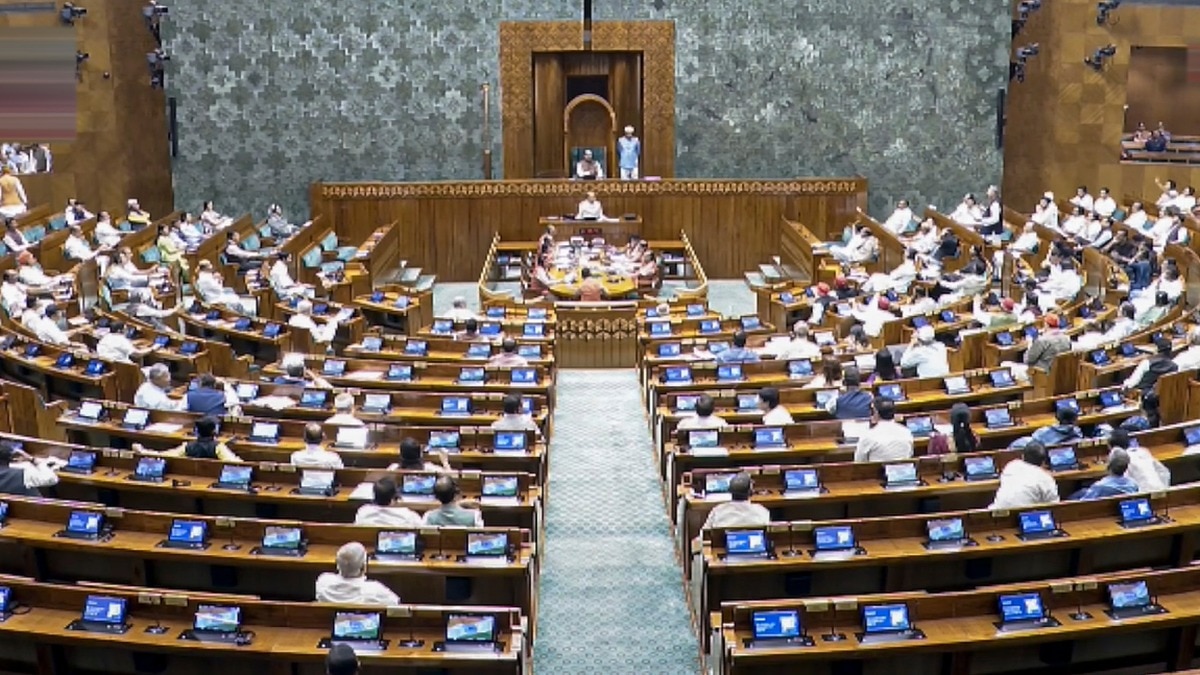
Speaker Om Birla’s mediation broke the deadlock, and today the Lok Sabha will discuss the Public Examinations (Prevention of Unfair Means) Amendment Bill 2026, aiming to tighten anti‑leak laws.
Key Takeaways
- Lok Sabha set to debate the anti‑paper leak Bill
- Speaker Om Birla brokered consensus among parties
- Opposition demands a statement on police action
After a week of protests, adjournments, and heated stand‑offs, India’s Parliament reaches a pivotal moment. On Tuesday, the Lok Sabha will debate the Public Examinations (Prevention of Unfair Means) Amendment Bill, 2026, which seeks to strengthen the 2024 anti‑paper leak law.
Speaker’s Mediation Breaks the Stalemate
Following back‑channel meetings with leaders from all parties, Speaker Om Birla secured an agreement to move forward. He gave both the government and the opposition a three‑hour window to resolve differences and earmarked six hours for the debate, reminding members that the House is there to discuss bills, not chant slogans.
Key Provisions of the Bill
The amendment dramatically raises penalties for organized examination fraud. Highlights include:
- Up to 10 years imprisonment for those involved in organized paper leaks
- Fines of up to ₹10 crore for organized malpractice
- Stricter safeguards to protect the integrity of public exams
Why This Matters
BozokMedia analysis shows that strengthening anti‑leak legislation is crucial to restore confidence in competitive exams like NEET, which have faced massive protests and credibility challenges.
"Without stringent penalties, we risk seeing repeat incidents of paper leaks in the future," says legal expert Dr. Anjali Mehra.
Frequently Asked Questions
Q1: Does the bill cover all forms of exam fraud?
A: Yes, it includes comprehensive measures against organized cheating in public examinations.
Q2: What is the opposition’s main demand?
A: The opposition seeks a clear government statement on police actions taken against protesting students.