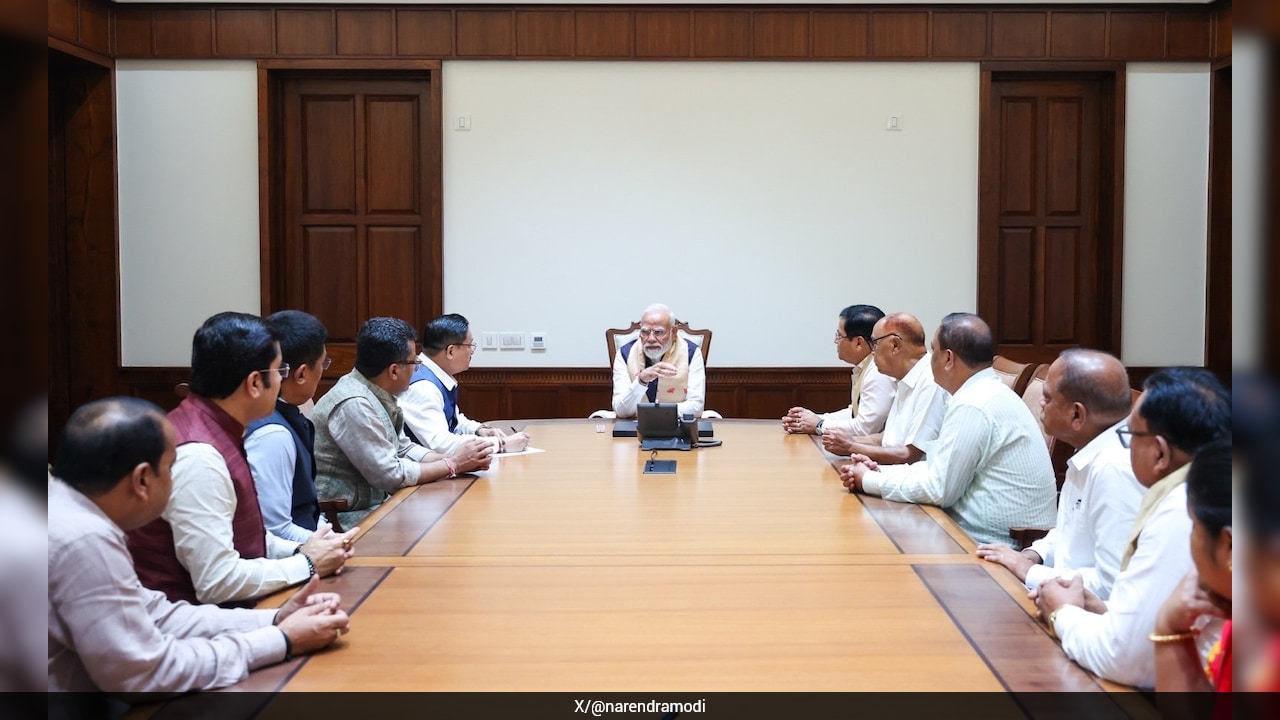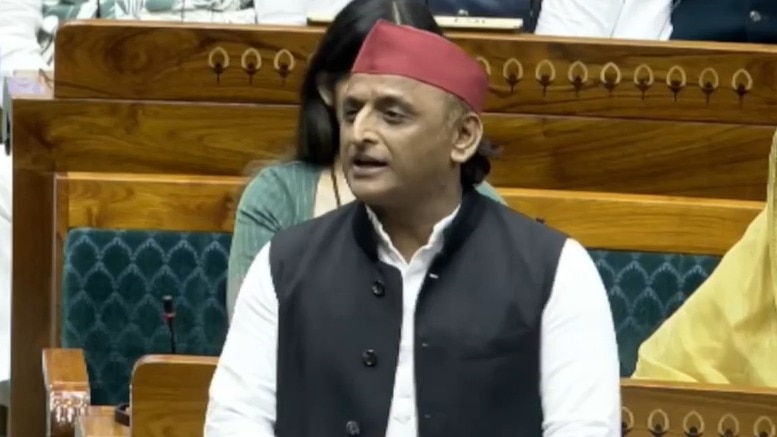
Samajwadi Party chief Akhilesh Yadav alleged in Parliament that the Modi government has deprived backward communities of education by closing over 1 lakh schools. The Centre responded, stating school management falls under state jurisdiction.
Key Takeaways
- Akhilesh Yadav alleged the closure of over 1 lakh schools nationwide.
- The Centre clarified that education is a Concurrent List subject, placing school decisions with states.
- UDISE+ data shows a decline in government schools from 10.22 lakh (2021-22) to 10.05 lakh (2025-26).
During the ongoing Monsoon Session of Parliament, Samajwadi Party chief and MP Akhilesh Yadav launched a scathing attack on the Modi government. He alleged that the central administration has systematically 'stolen educational rights' from India's backward communities by shutting down more than 1 lakh schools across the country.
Yadav's allegations extended to the state level as well, where he claimed that over 26,000 primary schools have been closed in Uttar Pradesh alone. He argued that these closures disproportionately affect the most vulnerable sections of society, hindering their socio-economic mobility.
The Centre's Legal Standpoint
Responding to the allegations in the Lok Sabha, Minister of State for Education Jayant Chaudhary clarified the constitutional position. He noted that education is a subject under the Concurrent List, meaning both the Centre and States have roles, but the responsibility for opening, merging, or closing schools rests with the respective State Governments and Union Territories.
The Ministry of Education further emphasized that while the National Education Policy (NEP) 2020 allows for school consolidation, such measures must be carried out judiciously to ensure that student access to quality education is not adversely affected.
Why This Matters
BozokMedia analysis shows that the shrinking number of government schools reflects a complex shift in India's educational landscape. While mergers aim for efficiency, the rapid decline in school numbers could lead to increased travel distances for rural students and higher dropout rates.
The debate over school closures highlights the critical tension between administrative efficiency and the constitutional mandate of universal education access.
Frequently Asked Questions
1. Who is responsible for closing schools in India?
Under the Indian Constitution, school closures and mergers are primarily the responsibility of State Governments and UT administrations.
2. What does NEP 2020 say about school mergers?
NEP 2020 permits consolidation only if it is done thoughtfully and does not negatively impact a student's ability to access education.