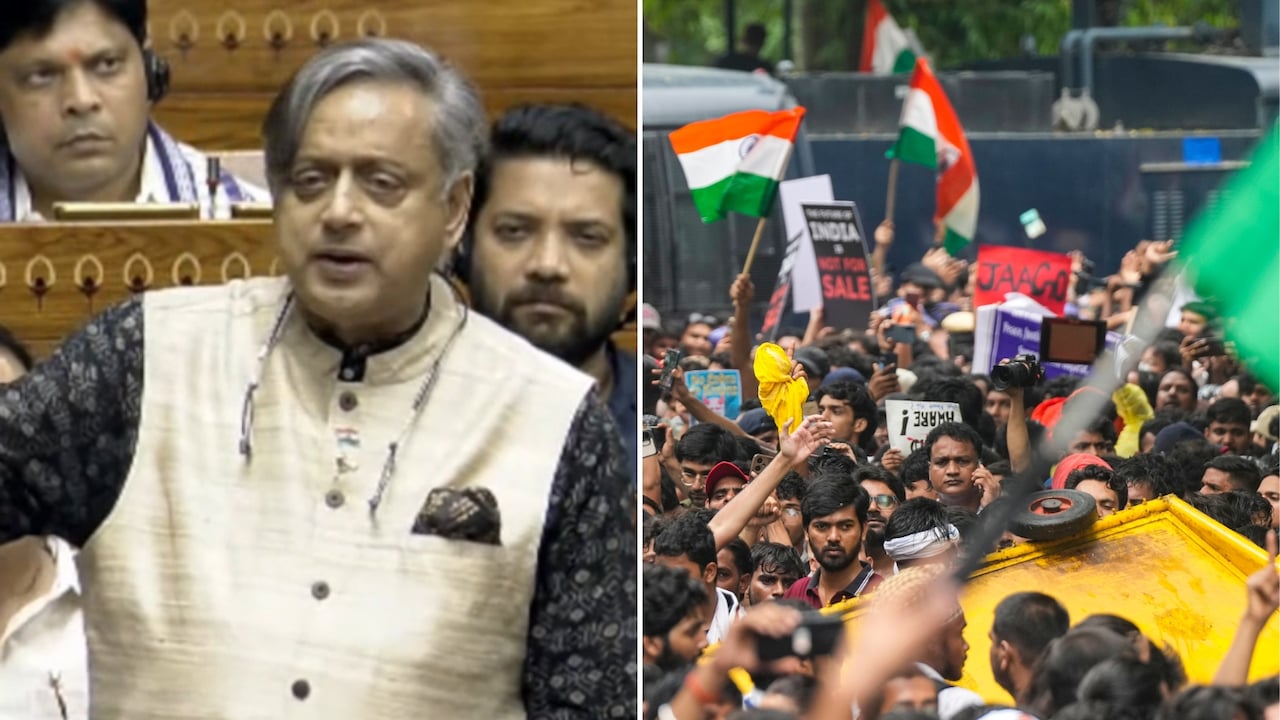
A growing trend of police action against student protesters in BJP-governed states has raised alarms over the violation of verbal assurances. Critics argue that legal actions like FIRs are being used to suppress legitimate dissent.
Key Takeaways
- Student protesters in BJP-ruled states report a pattern of broken promises regarding legal immunity.
- The use of FIRs against student agitators has become a primary tool for managing dissent.
- Contradictions exist between government assurances and Supreme Court rulings allowing police action.
Recent developments across several BJP-ruled states have highlighted a concerning trend in how student-led demonstrations are being managed. According to investigative reports, authorities often engage in dialogue with student leaders, promising no legal repercussions in exchange for peace, only to follow up with stringent police action later.
The Gap Between Assurance and Action
Student organizations have expressed outrage, claiming that the administration has engaged in a 'breach of promise.' While some states, such as Assam, have seen efforts to withdraw cases, many other regions have seen a surge in criminal proceedings against student activists. This pattern suggests a strategic shift from negotiation to litigation.
Why This Matters
BozokMedia analysis shows that such tactics create a chilling effect on campus politics. When the state uses the legal machinery to penalize those who exercise their right to protest, it undermines the fundamental principles of democratic engagement and academic freedom.
'The contradiction between administrative assurances and subsequent legal crackdowns poses a significant threat to the right to dissent.'
The situation is further complicated by recent judicial observations. While the Supreme Court has allowed the continuation of FIRs in certain contexts, student leaders argue that this contradicts the spirit of the verbal guarantees provided by state officials during negotiations.
Frequently Asked Questions
Q1: What is the core grievance of the student protesters?
A: They allege that the government broke its word by initiating legal action after promising not to do so during negotiations.
Q2: How does the Supreme Court's stance affect this issue?
A: The Court's order allowing FIRs provides a legal pathway for police action, which protesters view as a tool to suppress their movement.