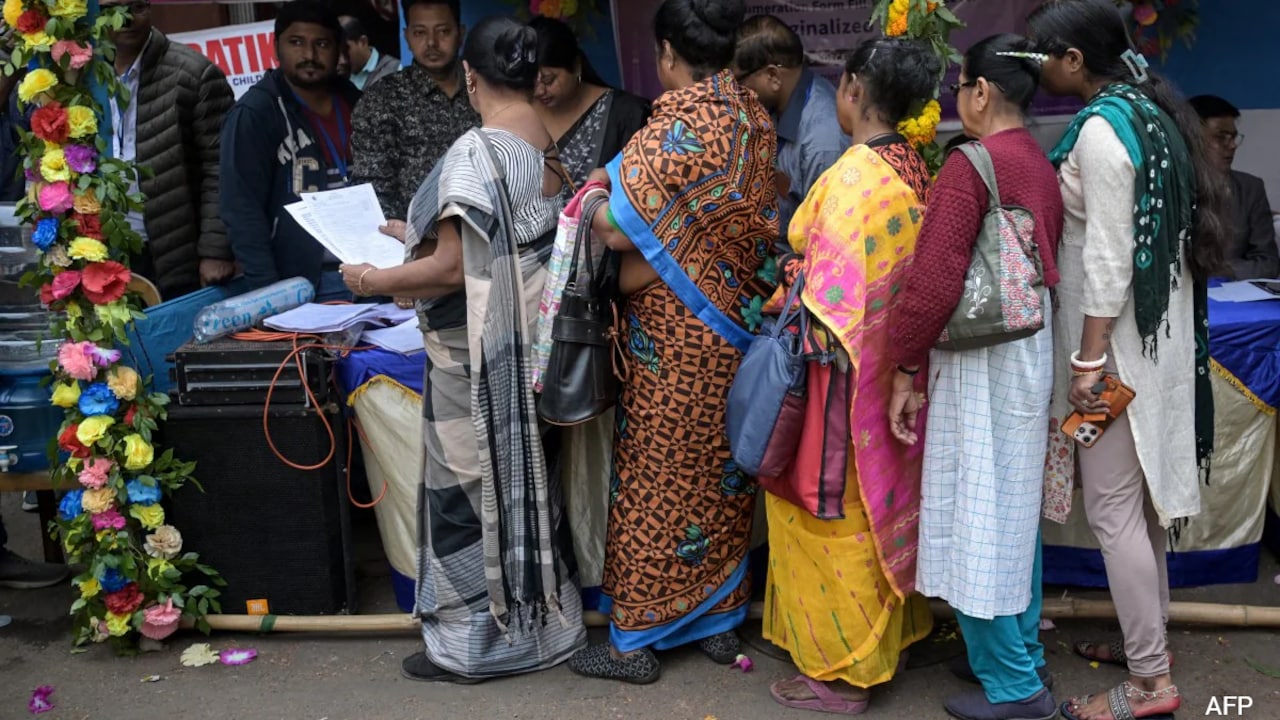
Under Delhi's Special Intensive Revision (SIR), more than 75 lakh enumeration forms have been digitized, covering over 52% of the electorate. However, South East Delhi lags behind with the lowest digitization rate.
Key Takeaways
- Over 75 lakh voter enumeration forms have been digitized under Delhi's SIR.
- More than 52% of the total electorate has been covered so far.
- South East Delhi recorded the lowest digitization rate at 38.51%.
In a significant move toward strengthening electoral integrity, more than 75 lakh enumeration forms have been digitized under the Special Intensive Revision (SIR) of electoral rolls in Delhi. Official data released on Tuesday confirms that the process has successfully covered over 52 per cent of the total electorate.
The digitization initiative aims to streamline the voter registration process, minimize manual errors, and ensure a more accurate database for upcoming electoral cycles. By converting physical enumeration forms into digital formats, the administration seeks to enhance the speed and reliability of voter verification.
Regional Disparities in Progress
While the overall progress is substantial, a closer look at the district-wise data reveals significant variations. The South East district has emerged as a laggard in this digital transition, recording the lowest digitization rate at just 38.51 per cent. This disparity highlights the need for targeted administrative intervention in specific pockets of the capital.
Why This Matters
BozokMedia analysis shows that the accuracy of electoral rolls is the cornerstone of a fair democratic process. Digitization helps in identifying duplicate entries, removing deceased voters, and updating addresses with precision. The low coverage in South East Delhi could potentially lead to disenfranchisement or administrative delays if not addressed promptly.
The large-scale digitization of voter data is a critical step in modernizing India's democratic infrastructure.
Historical Background
The Special Intensive Revision (SIR) is a rigorous process undertaken by election authorities to cleanse and update voter lists. Unlike routine revisions, the SIR focuses on deep-dive verification to ensure that every eligible citizen is accounted for and that the rolls are free from inaccuracies.
Frequently Asked Questions
1. What is the purpose of the Special Intensive Revision (SIR)?
Answer: The SIR is designed to ensure the electoral roll is accurate, up-to-date, and inclusive of all eligible voters.
2. Why is the low digitization rate in South East Delhi a concern?
Answer: It indicates that a large portion of the electorate in that area has not yet been digitally verified, which could affect voter participation.


