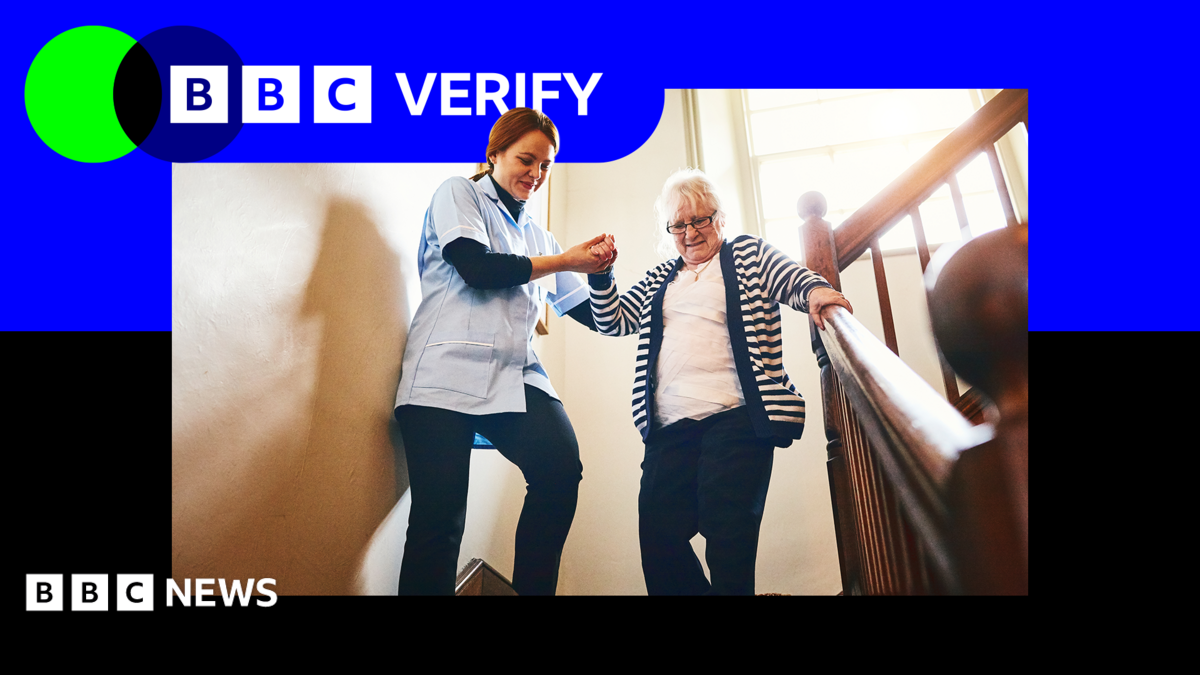
With millions of elderly citizens facing unmet care needs, Prime Minister Andy Burnham aims for substantial reform. We explore the four major models proposed to fix England's underfunded social care system.
Key Takeaways
- Approximately 2 million elderly people in England have unmet social care needs.
- Current funding is means-tested, often forcing people to pay full costs if assets exceed £23,250.
- Proposed reforms include lifetime cost caps, higher thresholds, free personal care, or a National Care Service.
- Funding and political debate over 'taxes' have stalled reforms for 16 years.
Prime Minister Andy Burnham has signaled a commitment to bringing "substantial change" to England's social care system. Currently, the system—largely provided by private companies rather than the state—is widely criticized for being underfunded and inequitable. According to Age UK, an estimated two million older people in England are currently living with unmet social care needs.
The Current Funding Gap
The existing system relies heavily on means-testing. For those receiving care at home, income and savings are assessed, but home value is typically excluded. However, for residential care, the value of a person's home is factored in. If assets exceed £23,250, individuals are generally expected to bear the full cost of their care, creating a significant financial burden on families.
Four Potential Reform Models
BBC Verify has analyzed four primary approaches to restructuring the system:
| Model | Description | Potential Impact/Cost |
|---|---|---|
| Lifetime Cap | Government covers costs above a specific threshold. | High; prevents extreme end-of-life costs. |
| Generous Means Test | Raising the asset threshold (e.g., to £100,000). | Increases eligibility for more people. |
| Free Personal Care | State-funded care for needs (washing, dressing). | Estimated £7.5bn/year by 2036. |
| National Care Service | A universal system similar to the NHS. | Estimated £19bn/year extra by 2036. |
Why This Matters
BozokMedia analysis shows that as the population ages, the current 'patchwork' approach to social care is becoming unsustainable. Without a decisive shift toward one of these models, the economic pressure on both the state and individual households will continue to escalate, potentially leading to a systemic collapse in care standards.
The debate over social care is essentially a debate over the social contract: how much does a society owe to its citizens in their most vulnerable years?
Historical Context
Over the last 16 years, multiple governments have attempted reform. From the 2011 Dilnot Commission's proposed cap to the Conservative 'dementia tax' proposal under Theresa May, most efforts have failed due to intense political opposition regarding how to fund these massive social shifts.
Frequently Asked Questions
1. What is the difference between personal care and residential care?
Personal care refers to daily tasks like washing and dressing, while residential care includes accommodation and living costs.
2. Why was the National Care Service controversial?
Previous proposals were criticized as a 'death tax' because they suggested funding through estate contributions after death.