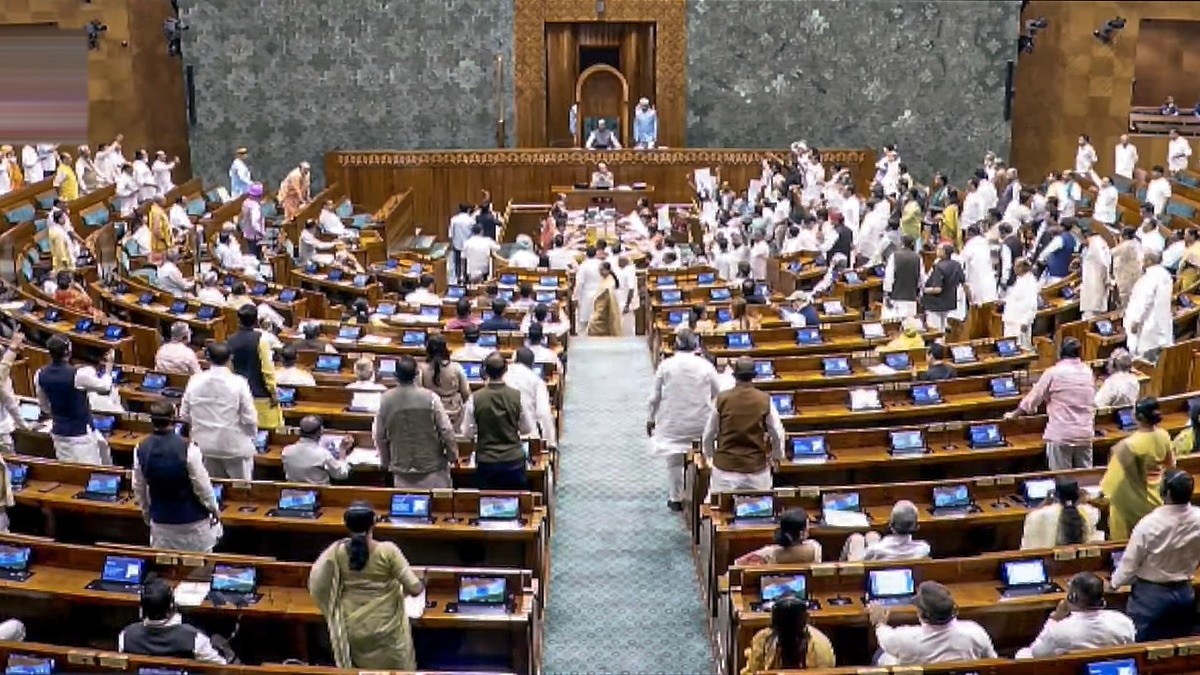
After six days of parliamentary deadlock over the NEET controversy, Speaker Om Birla has invited opposition leaders, paving the way for a heated debate on the Anti-Paper Leak Bill in the Lok Sabha.
Key Takeaways
- Speaker reaches out to opposition to break deadlock
- At least six hours allocated for debate on the bill
- Rajya Sabha expected to hold intense deliberations as well
In the Monsoon Session 2026, Parliament was stalled for six consecutive days due to the NEET exam controversy and police action against student protesters. Speaker Om Birla intervened, contacting floor leaders of opposition parties and securing their participation in today’s debate.
The Lok Sabha will now discuss the Public Examination (Prevention of Unfair Means) Amendment Bill, 2026, which proposes stringent penalties and monitoring mechanisms to curb paper leaks. A minimum of six hours has been earmarked for the discussion.
The Rajya Sabha is also slated for vigorous deliberations on the same legislation, with parties expected to present divergent viewpoints. The outcome will shape the future of exam security and broader education policy in India.
Why This Matters
BozokMedia analysis shows that imposing tougher penalties and technology‑driven surveillance can significantly reduce paper leaks, enhancing the credibility of examinations and reinforcing institutional accountability.
"Only a combination of harsh penalties and real‑time monitoring can truly deter paper leaks," says education policy expert Dr. Ravi Singh.
Frequently Asked Questions
Q1: What new punishments does the bill propose?
A: The bill mandates imprisonment of 5‑10 years and hefty fines for individuals involved in leaking exam papers.
Q2: Will the bill affect students' rights?
A: The legislation includes due‑process safeguards and an appeal mechanism to protect legitimate students.


