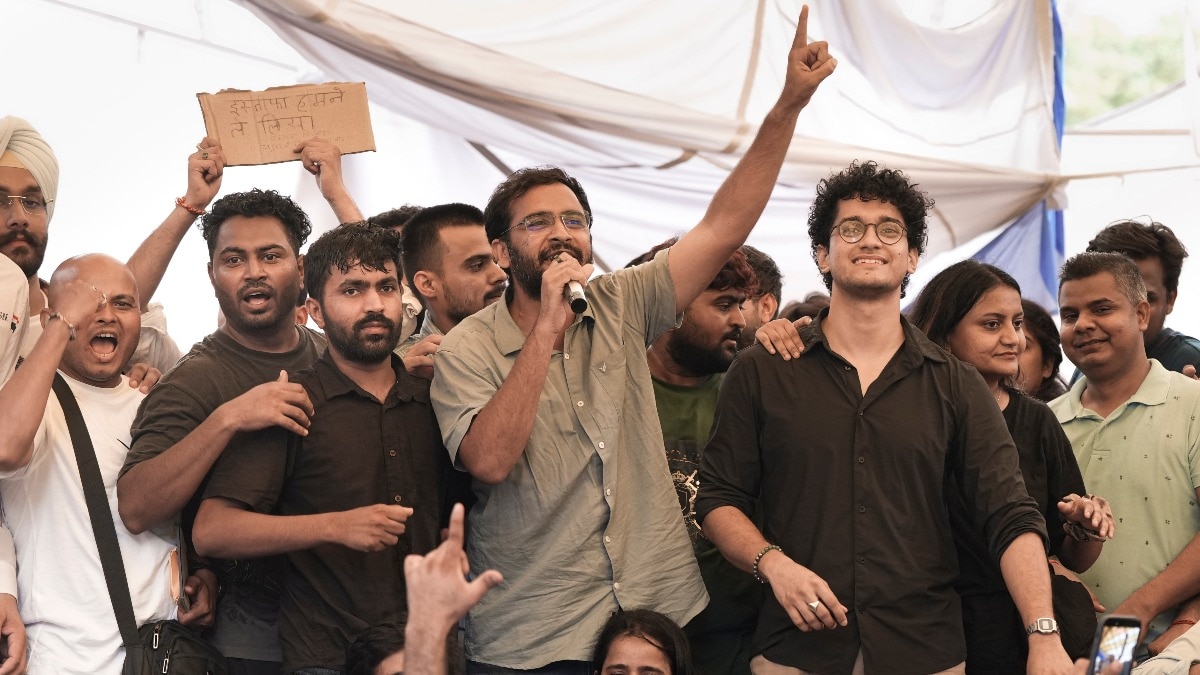
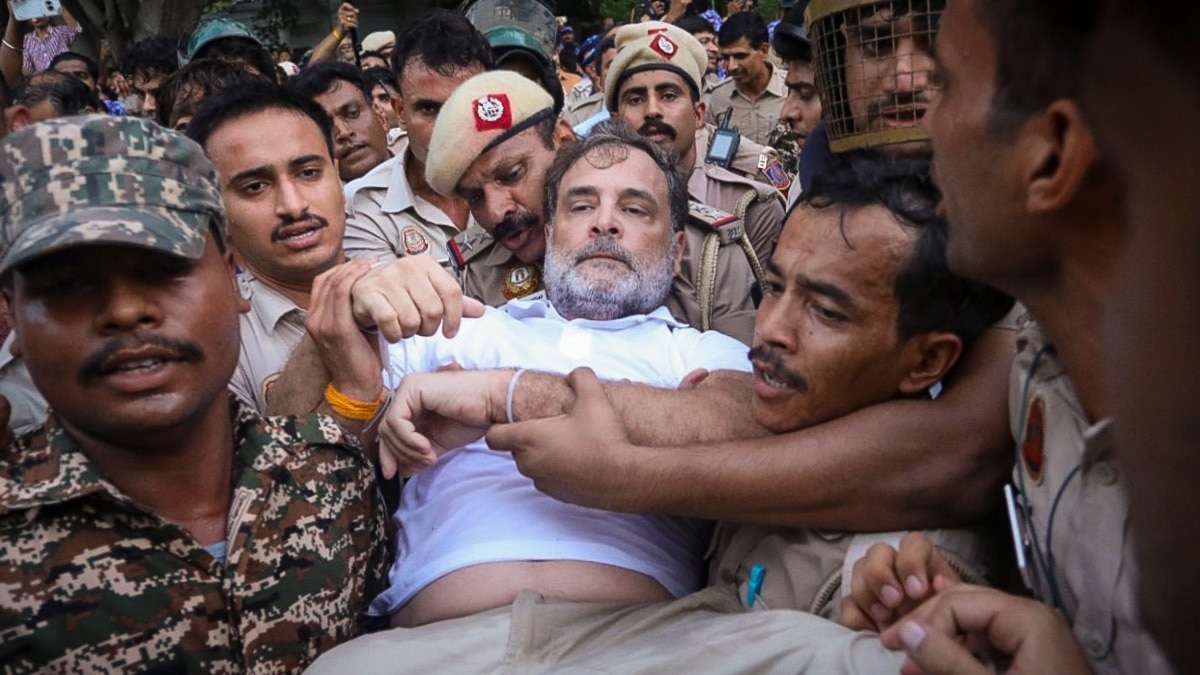
As the Supreme Court scrutinizes allegations of excessive police force during recent demonstrations, India faces a critical debate over the boundary between constitutional freedoms and state-mandated public order.
Key Takeaways
- The Supreme Court is reviewing allegations of disproportionate force used during protests.
- A tension exists between the constitutional right to dissent and the state's duty to maintain order.
- Police accountability and modern crowd-control methods are under intense scrutiny.
In the heart of India's democratic framework lies the fundamental right to dissent. However, recent escalations in protest management have brought the nation to a legal crossroads. The Supreme Court of India is currently examining critical allegations regarding the use of excessive force by law enforcement agencies during recent public demonstrations.
The core of the debate revolves around the thin line separating legitimate crowd control from the suppression of democratic expression. While the state is obligated to ensure public order, the methods employed—ranging from heavy-handed lathi charges to more advanced deterrents—are being questioned for their impact on civil liberties.
Why This Matters
BozokMedia analysis shows that the erosion of trust between the citizenry and law enforcement can have long-term implications for social stability. If the state is perceived to prioritize order over rights, the democratic fabric of the nation risks fraying, leading to increased radicalization and social unrest.
True democratic resilience is measured not by how effectively a state suppresses dissent, but by how safely it facilitates it.
Historically, India has struggled to balance these two competing interests. From the pre-independence era to modern-day digital-age protests, the evolution of policing has often lagged behind the evolving nature of civil activism. This judicial intervention could serve as a landmark moment in redefining the standard operating procedures for protest policing in the 21st century.
Frequently Asked Questions
1. Is there a limit to the right to protest?
Yes, while the right is fundamental, it is subject to 'reasonable restrictions' in the interests of public order, sovereignty, and integrity of India.
2. What is 'proportionality' in policing?
Proportionality means that the force used by police must be commensurate with the level of threat posed, ensuring no more force is used than is strictly necessary.