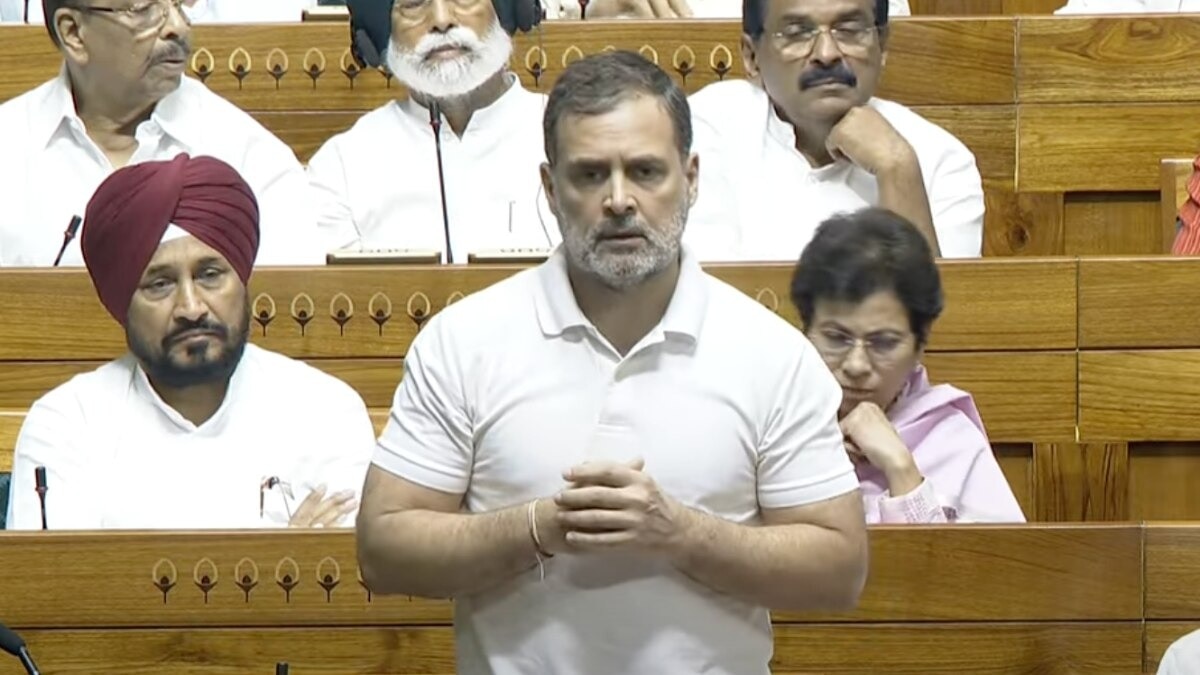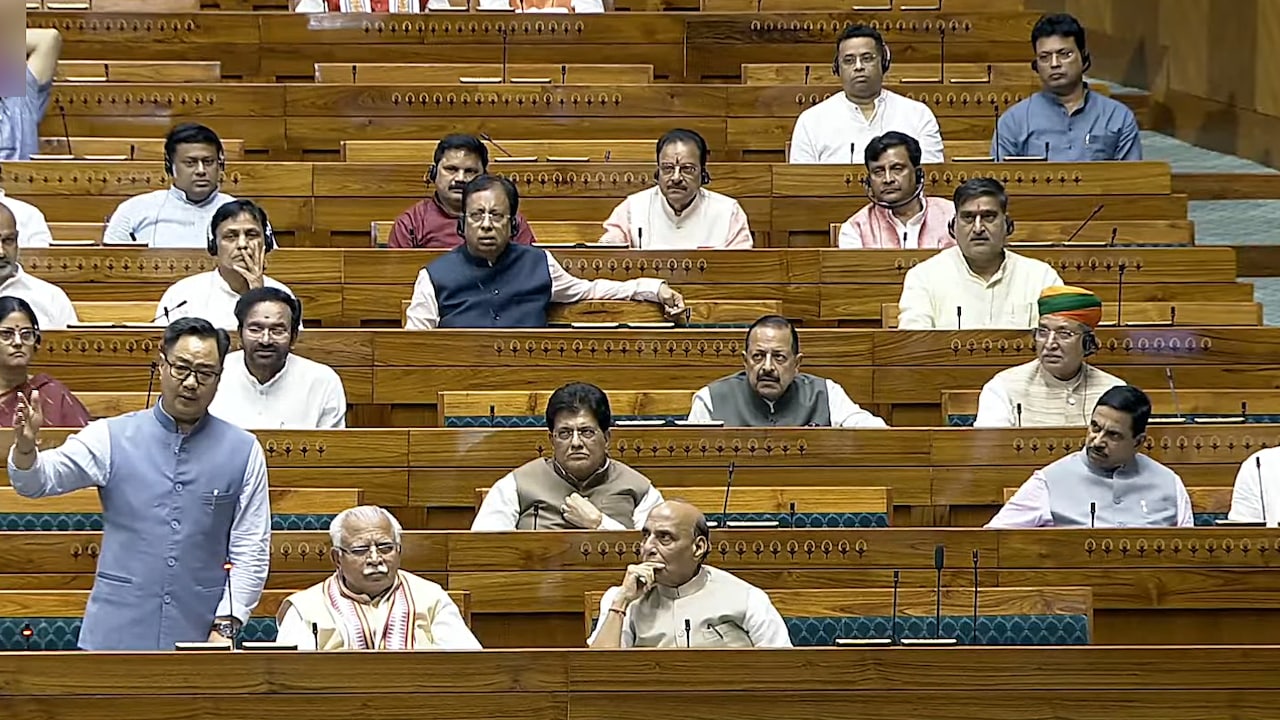
The Monsoon Session of Parliament 2026 witnessed a fierce debate on 'The Public Examination (Prevention of Unfair Means) Amendment Bill - 2026'. Union Minister Kiren Rijiju accused the opposition of politicizing the critical issue.
Key Takeaways
- Parliament debated 'The Public Examination (Prevention of Unfair Means) Amendment Bill - 2026'.
- Minister Kiren Rijiju accused the opposition of politicizing a serious student issue.
- The bill aims to curb paper leaks and ensure examination integrity.
New Delhi: The Monsoon Session of Parliament 2026 turned into a battleground on Tuesday as lawmakers engaged in a high-stakes debate over 'The Public Examination (Prevention of Unfair Means) Amendment Bill - 2026'. The legislation seeks to introduce stringent measures to combat the recurring menace of paper leaks in national-level examinations.
During the proceedings, Union Minister Kiren Rijiju launched a scathing attack on the opposition benches. He stated that while paper leaks represent a direct assault on the future of millions of students, the opposition has chosen to prioritize political gains over national interest. "The opposition has politicized the issue," Rijiju remarked, emphasizing the need for a unified front against malpractice.
Why This Matters
BozokMedia analysis shows that the integrity of public examinations is the bedrock of social mobility in India. Frequent leaks have not only caused massive logistical disruptions but have also eroded the public's trust in meritocracy. This bill is a decisive attempt to institutionalize accountability and provide a legal deterrent that is both swift and severe.
"A robust legislative framework is no longer an option but a necessity to protect the sanctity of the competitive examination ecosystem in India."
While the government pushes for the bill, opposition members have raised concerns regarding the potential for misuse of investigative powers and the need for greater procedural transparency to ensure that the law does not become an instrument of harassment.
Historical Background
Over the last decade, India has witnessed several high-profile examination scandals that have triggered nationwide protests. These incidents have highlighted the vulnerabilities in the current examination infrastructure, leading to a continuous demand for a centralized, stringent law to govern public exams across the country.
Frequently Asked Questions
1. What is the primary goal of this bill?
The bill aims to prevent unfair means in public examinations and impose heavy penalties on those involved in paper leaks.
2. Why is there opposition to the bill?
Some opposition leaders are concerned about the scope of powers granted to authorities and the lack of safeguards against misuse.