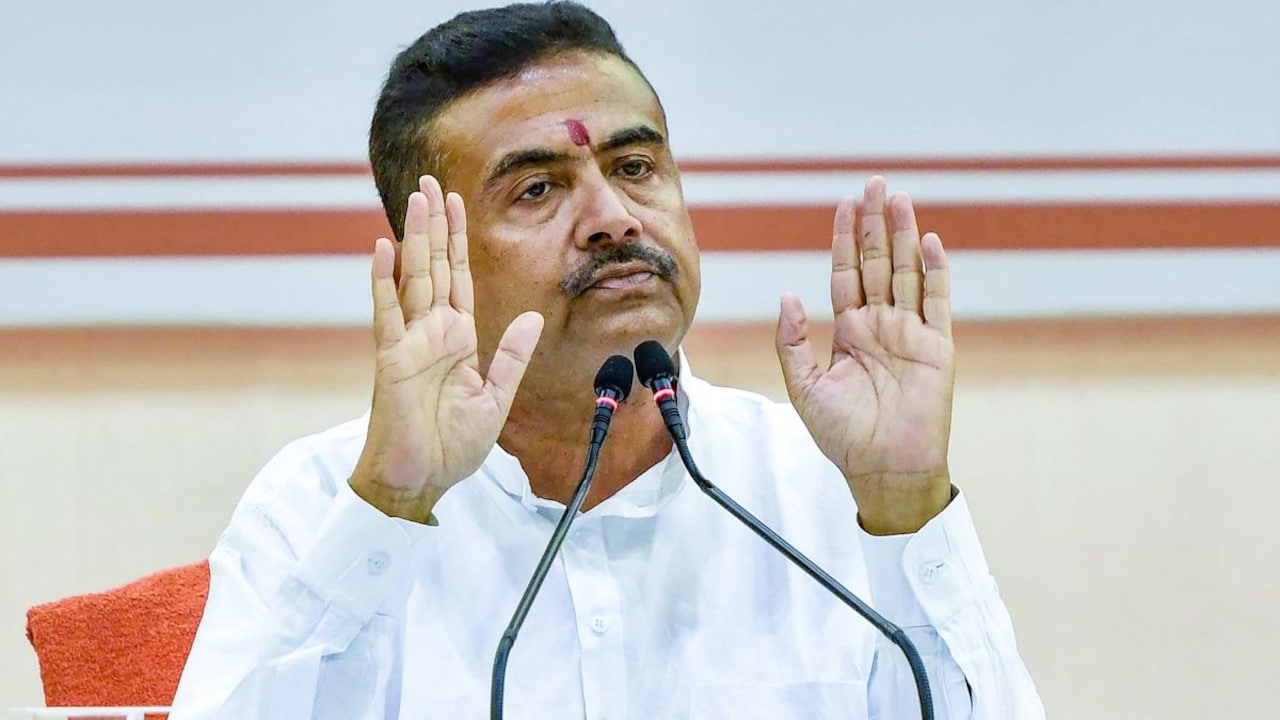
During a heated Senate hearing, Dr. Anthony Fauci invoked his Fifth Amendment rights to avoid answering questions. Senator Rand Paul responded by threatening legal consequences over allegations of misleading Congress.
Key Takeaways
- Dr. Anthony Fauci invoked the Fifth Amendment during a high-stakes Senate hearing.
- Senator Rand Paul threatened legal charges against Fauci for lack of transparency.
- The hearing focused on COVID-19 origins and federal response protocols.
In a dramatic turn of events during a US Senate hearing, Dr. Anthony Fauci, the former director of the NIAID, chose to remain silent by invoking his Fifth Amendment rights. This move occurred as lawmakers pressed him for answers regarding his role in the pandemic response and the origins of COVID-19.
Legal Escalation: The Rand Paul Confrontation
The atmosphere in the hearing room turned hostile as Senator Rand Paul launched a scathing critique of Fauci's refusal to testify. Paul accused the former health official of evading accountability and suggested that his silence could be interpreted as an attempt to obstruct congressional oversight. The Senator went as far as to threaten formal legal charges, citing a need for absolute transparency in matters of national public health.
Why This Matters
BozokMedia analysis shows that this confrontation is more than just a political skirmish; it represents a deep-seated fracture in how scientific expertise is held accountable to elected officials. The invocation of constitutional protections by a public figure of Fauci's stature complicates the ability of Congress to conduct thorough investigations into pandemic-era decisions.
"The use of the Fifth Amendment in this context creates a vacuum of information that fuels political polarization and public distrust."
The crux of the debate remains the investigation into whether US-funded research contributed to the emergence of the virus. By refusing to answer, Fauci has inadvertently intensified the calls for a deeper investigation into the relationship between federal agencies and laboratory research.
Historical Background
Dr. Anthony Fauci has been a cornerstone of American infectious disease policy for decades. However, the COVID-19 pandemic transformed him from a non-partisan scientific authority into a central figure in a highly polarized political landscape, making his testimony a focal point for both supporters and critics.
Frequently Asked Questions
1. Why did Dr. Fauci refuse to answer questions?
He invoked the Fifth Amendment, which allows a person to refuse to answer questions that could potentially lead to self-incrimination.
2. What are the potential consequences for Senator Paul's threats?
If Senator Paul finds evidence of perjury or misleading Congress, he could pursue formal investigations or referrals for legal prosecution.