The Public Examination (Prevention of Unfair Means) Amendment Bill, 2026 has been passed by both houses of Parliament. The law mandates a minimum seven-year sentence for organized exam fraud.
Key Takeaways
- The Anti-Paper Leak Bill passed Rajya Sabha via voice vote.
- Minimum 7-year imprisonment proposed for organized crimes.
- Opposition parties staged a walkout in protest.
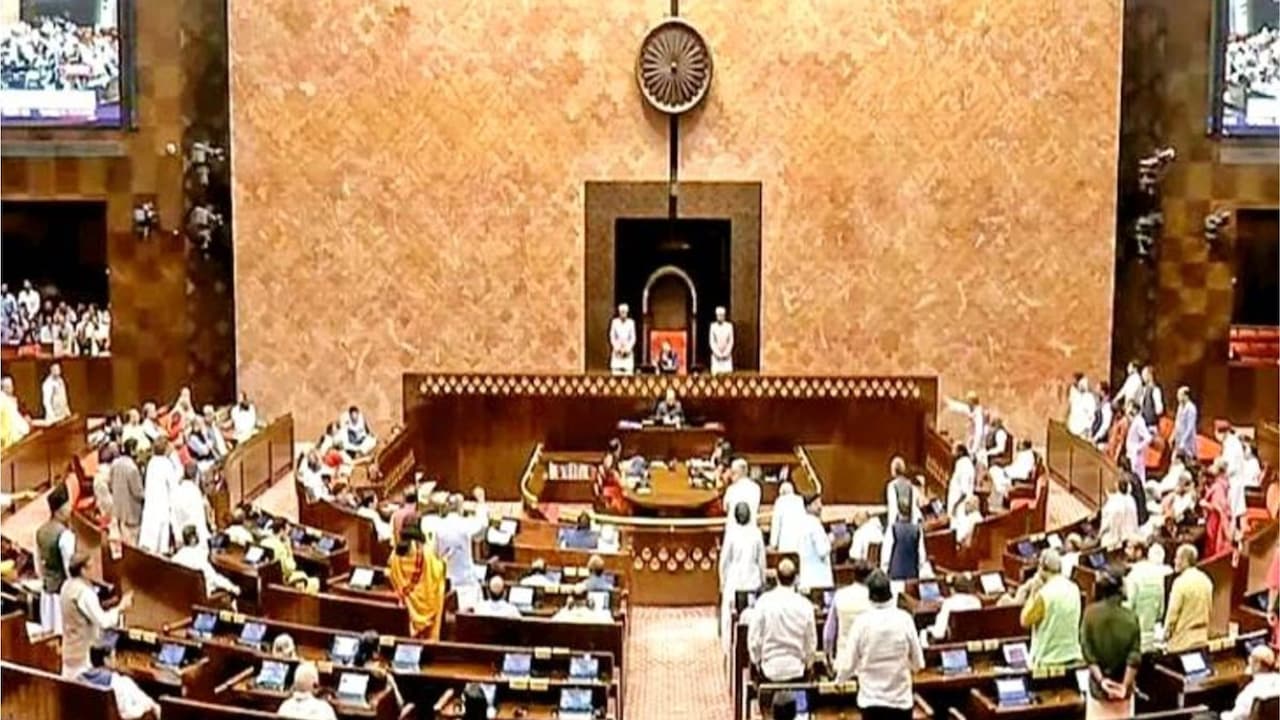
In a decisive move to safeguard the integrity of national competitive exams, the Public Examination (Prevention of Unfair Means) Amendment Bill, 2026 has officially cleared Parliament. Following its passage in the Lok Sabha, the bill was cleared by a voice vote in the Rajya Sabha amidst significant political friction.
The legislation aims to dismantle the syndicates involved in organized examination malpractice. Under the new provisions, individuals found guilty of participating in organized crimes related to paper leaks will face a minimum sentence of seven years in prison, signaling a zero-tolerance approach toward academic fraud.
Why This Matters
BozokMedia analysis shows that the recurring cycle of paper leaks has not only demoralized millions of aspirants but has also threatened the credibility of India's meritocratic systems. This bill serves as a legislative shield to restore trust in public examinations.
This legislation marks a paradigm shift from mere regulation to strict criminalization of examination malpractice.
The legislative process was not without controversy. While the government moved forward with the bill, the Opposition staged a walkout, expressing concerns over specific clauses and the potential for misuse of the law. Despite the dissent, the bill's passage marks a major milestone in educational governance.
Historical Background
Over the last several years, high-profile leaks in various state and national-level exams have triggered massive student protests across India. This has led to a growing demand for a robust, centralized legal framework to tackle the sophisticated networks involved in these crimes.
Frequently Asked Questions
1. What is the minimum punishment under the new bill?
For organized crimes involving unfair means, the bill proposes a minimum sentence of seven years.
2. Did the Opposition support the bill?
No, the Opposition staged a walkout to protest the bill's passage in the Rajya Sabha.