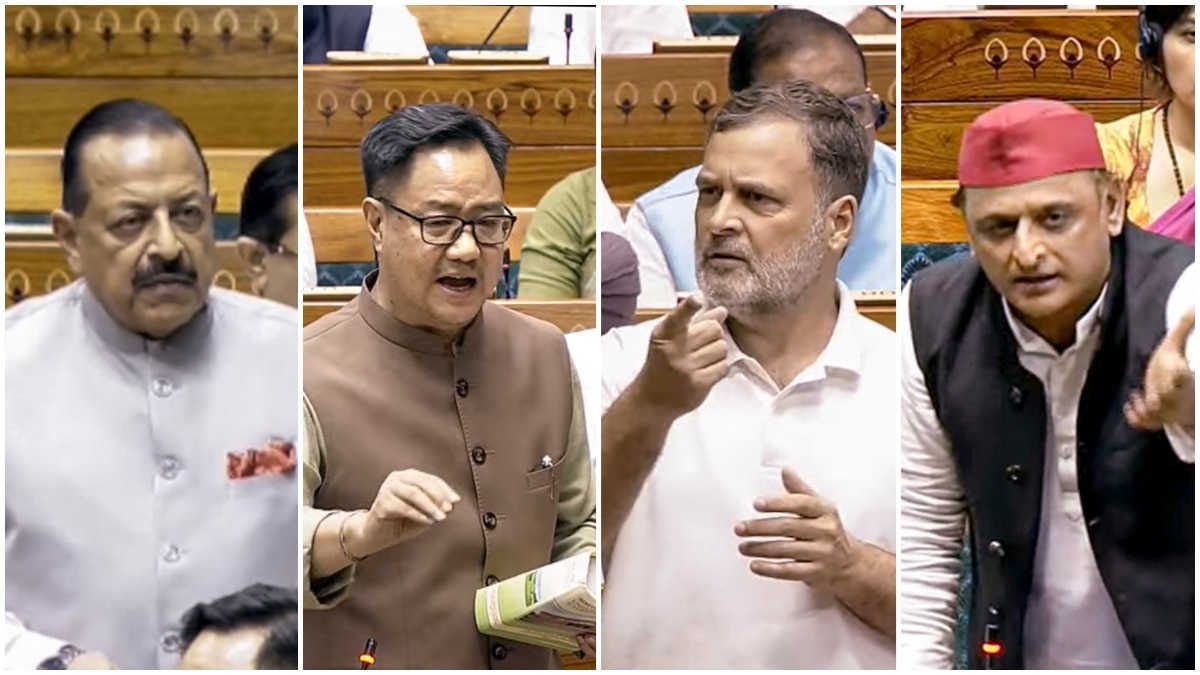
After a marathon 9‑hour debate and four adjournments, the government succeeded in passing the Public Examinations (Prevention of Unfair Means) Amendment Bill, popularly known as the anti-paper leak bill. Rahul Gandhi’s fiery speech sparked repeated disruptions, while high‑level strategy meetings kept the government on track.
Key Takeaways
- Bill passed after a 9‑hour heated debate
- Four adjournments caused repeated disruptions
- Rahul Gandhi’s speech intensified the clash
The Lok Sabha convened at 11 am, but normal proceedings were halted almost immediately as opposition members launched loud protests. Speaker Om Birla adjourned the house until noon, after which the debate on the Public Examinations (Prevention of Unfair Means) Amendment Bill, 2026 began.
Both ruling and opposition parties participated vigorously. Independent MPs highlighted the need for stronger safeguards, while the BJP accused opposition‑run states of failing to curb paper leaks, especially the recent Jharkhand case.
At around 1 pm, Opposition Leader Rahul Gandhi rose to speak for nearly an hour. His remarks, which included allegations against Home Minister Amit Shah, triggered repeated interruptions from the Treasury benches. Despite multiple interventions by Speaker Birla, Gandhi continued to deviate from the bill’s subject, leading to another adjournment at 1:57 pm.
Historical Background
India has grappled with examination paper leaks for years. The 2022 Paper Leak Prevention Act introduced basic penalties, but enforcement remained weak. The current amendment tightens punitive measures and expands monitoring mechanisms, aiming to protect millions of students and preserve the credibility of public examinations.
Why This Matters
BozokMedia analysis shows that the swift passage of the anti-paper leak bill underscores the government's commitment to safeguarding the integrity of India's public examinations, a move that could set a precedent for future educational reforms.
"Robust legal frameworks are essential, but without diligent implementation they risk becoming mere paperwork," says education policy expert Dr. Anita Sharma.
Frequently Asked Questions
Q1: Will the bill eliminate all forms of paper leaks?
A: The bill introduces stricter penalties and monitoring, but effective enforcement is key to full prevention.
Q2: What is the opposition’s stance on the legislation?
A: Opposition parties claim the bill is politically motivated and may impose unnecessary restrictions.
