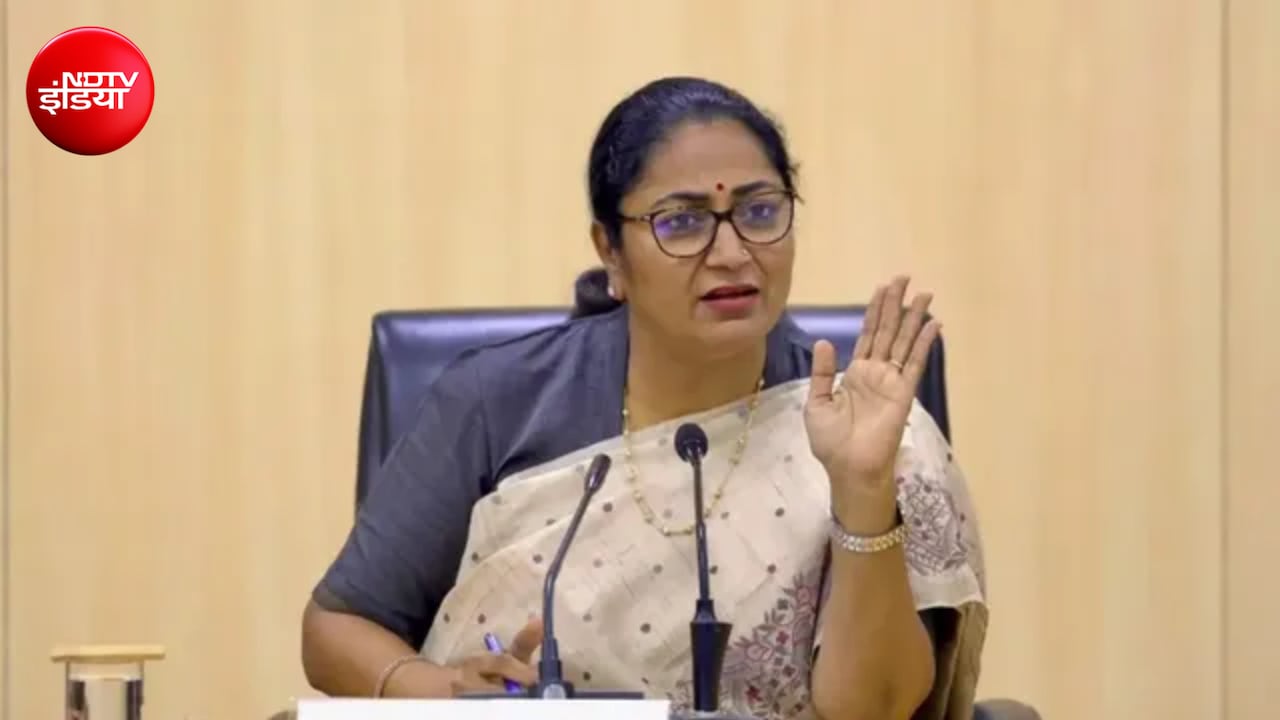
Despite government assurances, protesters are being summoned by police for questioning. Congress legal aid reports that women are receiving severe death and sexual violence threats following recent demonstrations.
Key Takeaways
- Protesters continue to be summoned by police despite the end of the agitation.
- Congress helpline reports 300 calls, including 50 cases of extreme threats against women.
- Supreme Court orders regarding the release of minors are allegedly being ignored.
- Concerns raised over the use of Facial Recognition System (FRS) for identification.
New Delhi: Days after the Cockroach Janta Party (CJP) called off its agitation at Jantar Mantar, the legal fallout continues to haunt participants. Rishav Ranjan, a member of the Congress party’s legal cell, has revealed that protesters are still being summoned by the Delhi Police to explain their presence at the protest sites, contradicting assurances provided by the Union Government.
The situation has taken a dark turn regarding the safety of female participants. According to Ranjan, a helpline launched by the Congress party has received over 300 calls. Alarmingly, 50 of these calls were from young girls and women who reported receiving rape and death threats. These threats appear to be fueled by lists of names being circulated by certain social media influencers targeting those who joined the movement.
Why This Matters
BozokMedia analysis shows that the gap between executive assurances and ground-level policing creates a vacuum of trust in democratic institutions. The use of digital surveillance and targeted harassment against protesters marks a significant escalation in the friction between state authority and civil liberties.
"The State must take urgent action to lodge FIRs and protect these women who are being targeted for exercising their rights."
Furthermore, there are serious allegations regarding the non-compliance of the Supreme Court’s July 28 order. The court had directed the immediate release of all minors arrested during the demonstrations and restrained police from coercive action against students without criminal antecedents. However, reports from Bihar and Uttar Pradesh suggest that many juveniles are still being held in custody.
Technological surveillance is also at the forefront of the controversy. Legal representatives suspect that the police are utilizing Facial Recognition System (FRS) cameras installed at the protest site to identify and subsequently summon individuals for interrogation, sometimes even without formal notices.
Frequently Asked Questions
Q1: What kind of threats are protesters facing?
A: Many women and girls have reported receiving severe threats of sexual violence and death, often circulated via social media handles.
Q2: What was the Supreme Court's directive in this case?
A: The Supreme Court ordered the immediate release of all minors arrested and prohibited coercive action against students with no criminal history.