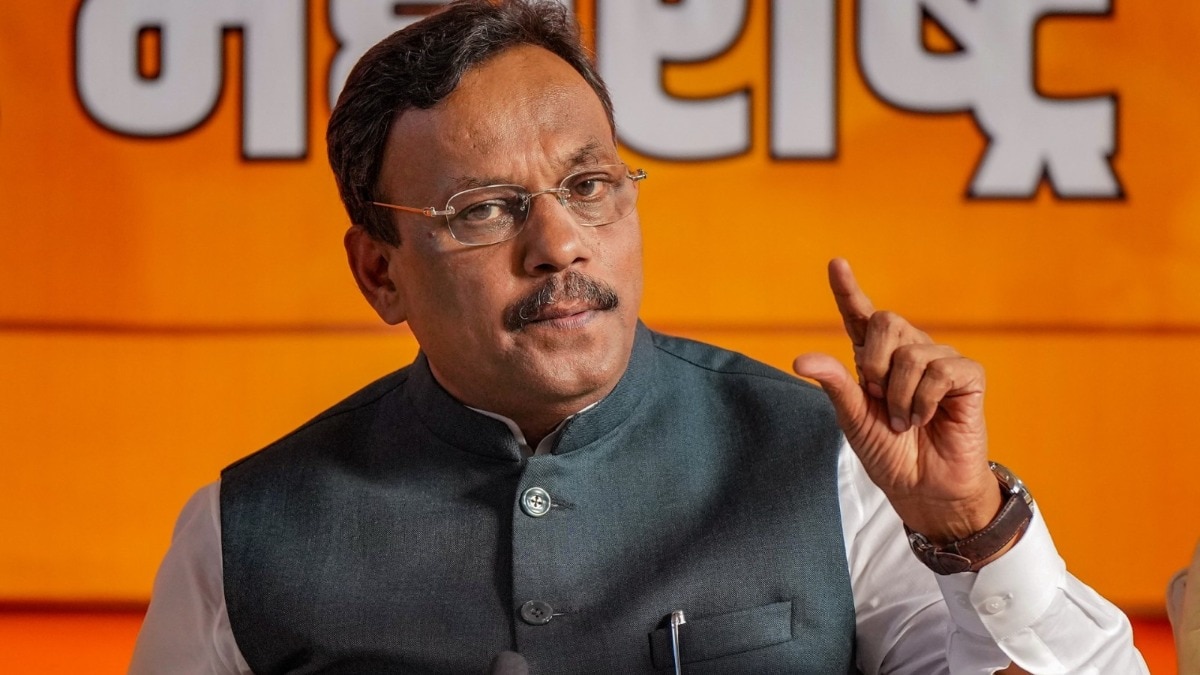
The Lok Sabha has passed the 'Registration of Births and Deaths Amendment Bill 2026' amidst intense protests and uproar. The bill aims to revolutionize how vital statistics are recorded in India.
Key Takeaways
- The Lok Sabha passed the Registration of Births and Deaths Amendment Bill 2026.
- The passage occurred amidst significant protests and parliamentary uproar.
- The bill focuses on digitizing and streamlining vital record management.
In a significant legislative move during the Monsoon Session, the Lok Sabha has cleared 'The Registration of Births and Deaths Amendment Bill 2026'. The bill was passed despite intense protests from opposition members regarding police crackdowns and other political grievances, leading to the adjournment of the House.
The proposed amendment seeks to modernize the existing framework for recording vital events. By integrating digital technologies, the government aims to create a more robust, real-time database of births and deaths across the nation, reducing errors and bureaucratic delays.
Why This Matters
BozokMedia analysis shows that this amendment is critical for India's long-term socio-economic planning. Accurate vital statistics are the backbone of effective public policy, influencing everything from healthcare resource allocation to educational infrastructure and social security schemes.
Modernizing vital registration is not just an administrative upgrade; it is a fundamental step toward ensuring every citizen's legal identity.
Historical Background: Since the enactment of the Registration of Births and Deaths Act in 1969, India has relied on a decentralized system. The 2026 Amendment represents a paradigm shift toward a centralized, digital-first approach to manage India's massive demographic scale.
Frequently Asked Questions
Question 1: What is the primary goal of the 2026 Amendment Bill?
Answer: The goal is to digitize the registration process and improve the accuracy and accessibility of vital records.
Question 2: Will this bill affect all states uniformly?
Answer: Yes, once passed by both Houses and receiving Presidential assent, it will become a central law applicable nationwide.