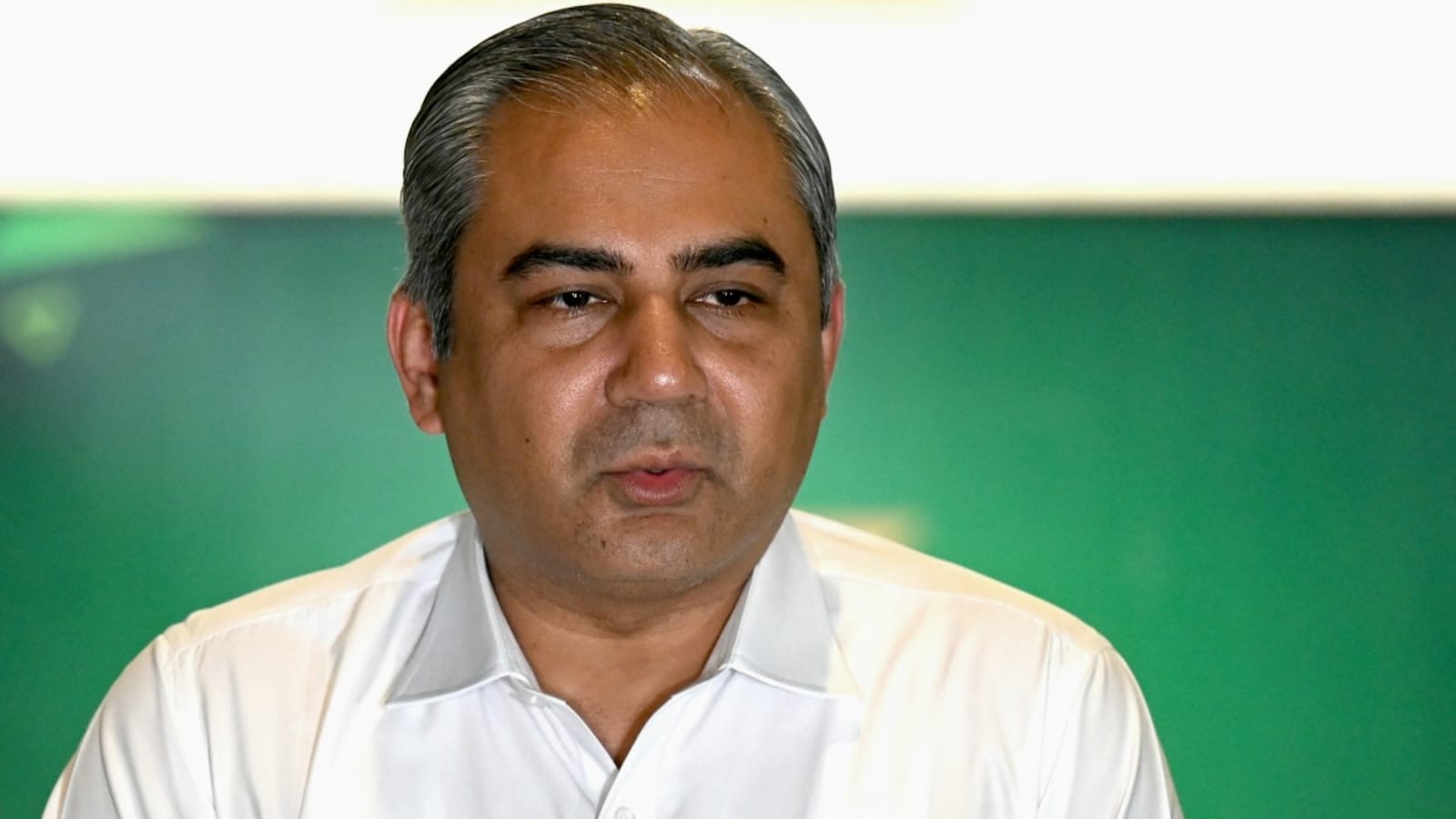
Pakistan's Interior Minister Mohsin Naqvi has issued a stark warning that growing disillusionment among the youth could lead to a massive movement. He described the current governance system as collapsed and incapable of addressing the nation's crises.
Key Takeaways
- Interior Minister Mohsin Naqvi declared the current governance system has collapsed.
- He warned that organized youth frustration could overturn the existing political structure.
- Naqvi emphasized that military efforts alone cannot fix Pakistan's deep-seated issues.
- Structural reforms and local government empowerment were proposed as essential solutions.
Speaking at the Pakistan Economic Summit in Islamabad, Interior Minister Mohsin Naqvi delivered a chilling assessment of the country's political stability. Naqvi argued that the existing administrative framework is no longer functional and is fundamentally incapable of solving the multifaceted problems plaguing the nation.
The Minister’s remarks come at a critical juncture as Pakistan grapples with severe economic instability, rising unemployment, and heightened security threats in regions like Balochistan and Khyber Pakhtunkhwa. He warned that without sweeping institutional reforms, the country would remain trapped in a cycle of crisis for decades to come.
Why This Matters
BozokMedia analysis shows that Naqvi's comments represent a significant internal admission of systemic failure. By drawing parallels to recent political shifts in the region and suggesting that even the efforts of the military leadership, specifically General Asim Munir, would be futile without political reform, Naqvi is highlighting a dangerous disconnect between the state's security apparatus and its political governance.
"Whether you call that young person a youth, a cockroach, or anything else... if these cockroaches unite, they can overturn everything."
In a controversial analogy, Naqvi referred to the frustrated youth as 'cockroaches' to illustrate their potential for collective, disruptive power. He asserted that the common citizen is not seeking handouts, but rather a meritocratic system that ensures justice and employment opportunities.
Historical Background
Pakistan has a long history of civil unrest driven by economic hardship and perceived political injustice. The tension between civilian leadership, the military, and a growing, tech-savvy, and frustrated youth population has frequently been the catalyst for major political shifts in the country's history.
Frequently Asked Questions
1. What did Mohsin Naqvi mean by the 'cockroach' analogy?
He used the term to describe the sheer power of collective action, suggesting that even small, overlooked groups can dismantle a large system if they act in unison.
2. Does the Minister believe the military can solve Pakistan's issues?
No, Naqvi explicitly stated that while the military works hard, lasting change can only be achieved through political and structural governance reforms.
