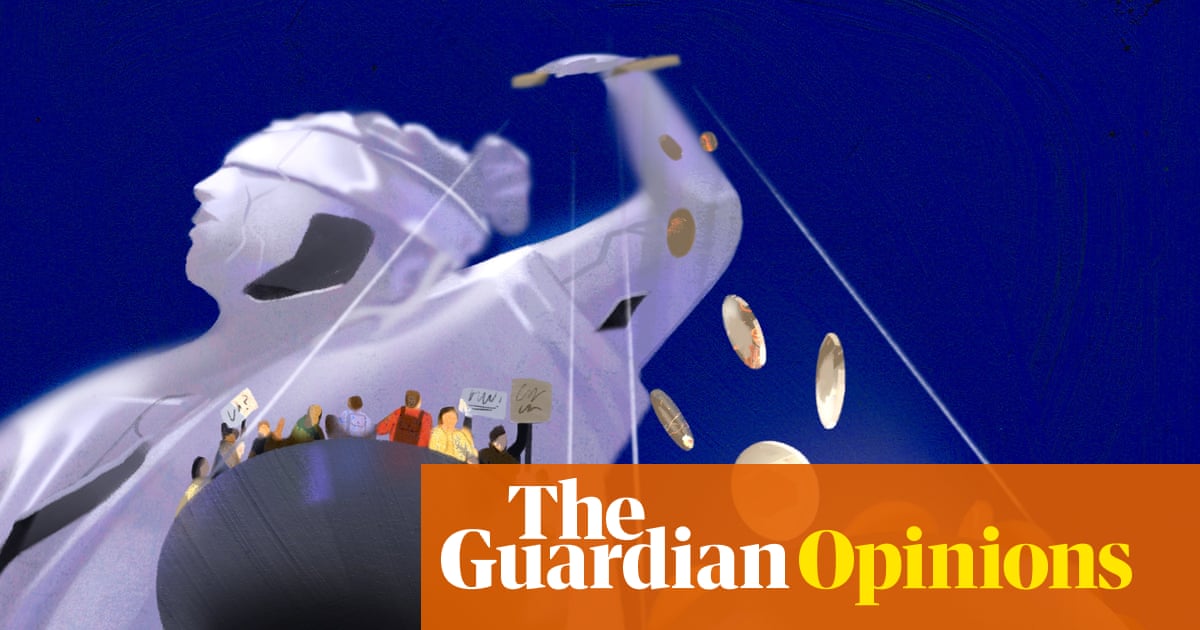
In a scathing critique, George Monbiot warns that the era of human rights is under siege by a global campaign led by oligarchs and corporate interests. From the US to the UK, dissent is being criminalized.
Key Takeaways
- Oligarchs and corporations are leading a global campaign to cancel fundamental freedoms.
- The US is shifting counterterrorism focus from religious extremism to political dissent.
- Legal protections like jury nullification and the right to protest are being systematically dismantled.
The global assault on our freedoms is no longer a distant threat; it is arriving at our doorstep. As highlighted by George Monbiot, we are witnessing a coordinated effort by billionaires and corporate entities to dismantle the very foundations of human rights and dissent.
The Criminalization of Dissent
In the United States, the shift is palpable. High-ranking officials are redirecting counterterrorism efforts away from traditional threats toward the 'political left.' Without providing substantial evidence, dissenters are being branded as existential threats, mirroring the tactics used by historical fascist regimes to delegitimize opposition by labeling them as part of an international conspiracy.
Why This Matters
BozokMedia analysis shows that this is not merely political rhetoric but a structural overhaul of justice. By attacking the concept of jury nullification—the right of a jury to acquit based on conscience—illiberal governments are removing the final safeguard against state injustice.
Prosecuting lawyers for defending dissident clients is the very definition of authoritarianism.
The case of Rajiv Menon KC in the UK serves as a chilling warning. By facing prosecution for contempt of court simply for reminding jurors of their rights, the legal profession itself is under fire. This trend is part of a larger pattern where 'model legislation' produced by corporate-funded groups is tested and then exported globally to stifle protest.
Historical Background
Throughout history, authoritarian regimes have utilized the expansion of 'terrorism' definitions to suppress civil disobedience. From the mid-20th century to the present, the tactic remains the same: label the protester a terrorist to justify the removal of their legal protections.
Frequently Asked Questions
1. How do corporations influence protest laws?
Through groups like the American Legislative Exchange Council, corporations fund 'model legislation' that prioritizes capital stability over the right to protest.
2. What is the danger of expanding the definition of terrorism?
Expanding the definition allows governments to classify peaceful civil protests as terrorist activities, making it easier to arrest and detain activists.