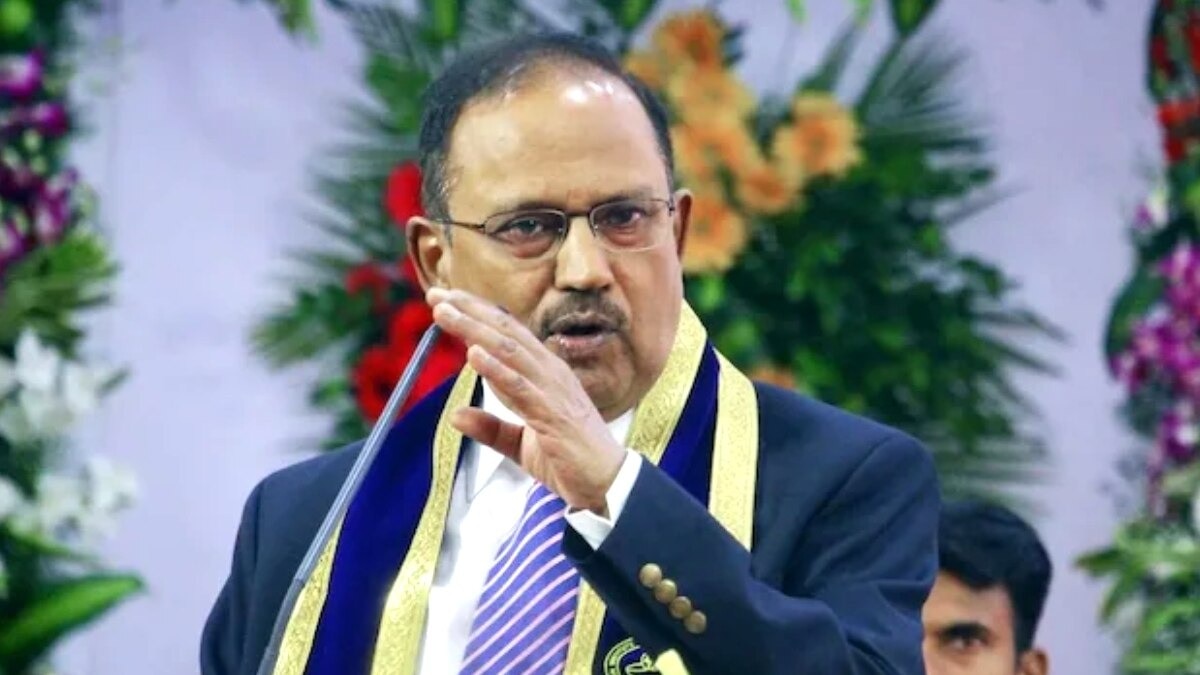
National Security Advisor Ajit Doval has issued a stern reminder that freedom in a democracy is not an absolute license to act without restraint, following recent waves of protests.
Key Takeaways
- NSA Ajit Doval emphasized the distinction between liberty and lawlessness.
- He cautioned that protests must not compromise national security.
- The statement underscores the state's priority on maintaining public order.
In a significant statement following recent waves of public unrest, India's National Security Advisor (NSA) Ajit Doval has drawn a clear line between democratic rights and chaotic behavior. Doval remarked that 'freedom does not mean one can do what they want,' addressing the growing concerns regarding the nature of recent protests across the country.
The Boundary of Democratic Rights
The NSA's comments highlight a critical tension in modern governance: the balance between the right to dissent and the necessity of public order. While the Indian Constitution guarantees freedom of speech and expression, Doval’s stance suggests that when these rights transition into activities that disrupt the social fabric or threaten national stability, they exceed the bounds of constitutional protection.
Why This Matters
BozokMedia analysis shows that this rhetoric serves as a strategic signal to both internal agitators and international observers. By defining the limits of freedom, the administration is reinforcing its commitment to a rule-of-law framework that prioritizes national integrity over individualistic disruption.
The strength of a democracy lies not just in the right to protest, but in the discipline with which that protest is conducted.
Historically, India has seen various movements that shaped its democracy. However, the current security paradigm, as voiced by Doval, indicates a shift toward a more controlled and security-centric approach to managing civil unrest.
Frequently Asked Questions
1. What was the context of Ajit Doval's statement?
The statement was made in response to recent protests that raised concerns regarding public order and security.
2. Does this mean protests are being banned?
No, it clarifies that while the right to protest exists, it must be exercised within the framework of the law without causing anarchy.