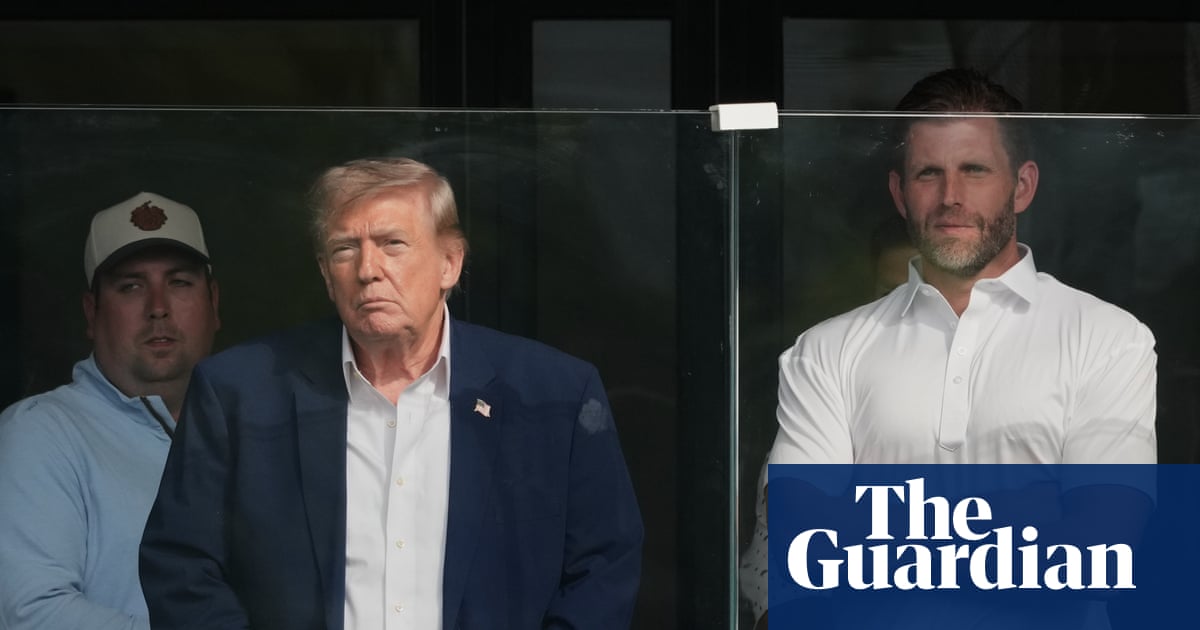
Capital One has revealed in court filings that it closed the Trump Organization's bank accounts in 2021 following a rigorous review by its anti-money-laundering (AML) team. This marks the first time a major financial institution has formally linked money-laundering concerns to Donald Trump's family business. The disclosure comes in response to a lawsuit from the Trump Organization alleging politically motivated 'debanking.'
Key Takeaways
- Capital One closed over 300 Trump-affiliated accounts in March 2021 based on AML compliance reviews.
- The Trump Organization filed a lawsuit in 2025 claiming the closures were politically motivated.
- Capital One denies political bias, stating transaction patterns aligned with federal risk flags.
Financial giant Capital One Financial has hit back against a lawsuit over its decision to close the Trump Organization’s bank accounts years ago, stating that the action was taken after a comprehensive review by anti-money-laundering (AML) experts. This response aims to dismantle claims of illegal 'debanking' brought forward by the former president's business entity.
The disclosure marks the first time a financial institution has formally tied money-laundering concerns to Donald Trump’s family business in a legal proceeding. Capital One is seeking to dismiss the case by casting doubt on allegations that it denied services to the Trump Organization on religious or political grounds.
Why This Matters
BozokMedia analysis shows that this legal battle highlights the growing tension between Wall Street compliance protocols and high-profile political figures. As banks face stricter federal oversight regarding financial crimes, their risk-mitigation actions are increasingly being interpreted through a political lens, creating a highly volatile operating environment for major financial institutions during Trump's second term.
"When a major bank formally cites anti-money-laundering reviews in court to justify closing a former president's accounts, it elevates a standard compliance dispute into a high-stakes constitutional and financial precedent."
Capital One gave notice of its plans to close more than 300 Trump-affiliated bank accounts in March 2021. In response, the Trump Organization and Eric Trump, the president’s son, filed a lawsuit in March 2025 in a Florida federal court, alleging the accounts were shut down because of Capital One’s 'woke' beliefs and a desire to align with the political mood following the January 6, 2021, Capitol riot.
Capital One stated in its Friday filing that the Trump Organization’s allegations of political pretext were 'misguided' and 'based on cherry-picked quotations unsupported by the full context' of documents submitted to the court. The bank emphasized that the transaction patterns flagged by its AML team were precisely the types of activities highlighted by federal banking risk guidelines.
| Aspect | Trump Organization Claim | Capital One Defense |
|---|---|---|
| Reason for Closure | 'Woke' political bias and Jan 6 backlash | Standard AML compliance & transaction analysis |
| Number of Accounts | Over 300 accounts wrongfully terminated | Accounts closed after months of careful review |
| Regulatory Alignment | Discriminatory 'debanking' practice | Aligned with federal banking guidance on risk patterns |
Frequently Asked Questions
Q1: Did Capital One accuse Donald Trump of money laundering?
A1: No, Capital One has clarified that while the accounts were closed for AML compliance reasons, they have not formally accused the Trump Organization or Donald Trump of engaging in money laundering.
Q2: What is 'debanking' in this context?
A2: Debanking refers to the practice of financial institutions denying services to individuals or organizations, which critics argue is sometimes done on political or religious grounds. The Trump administration has actively pushed back against this practice.