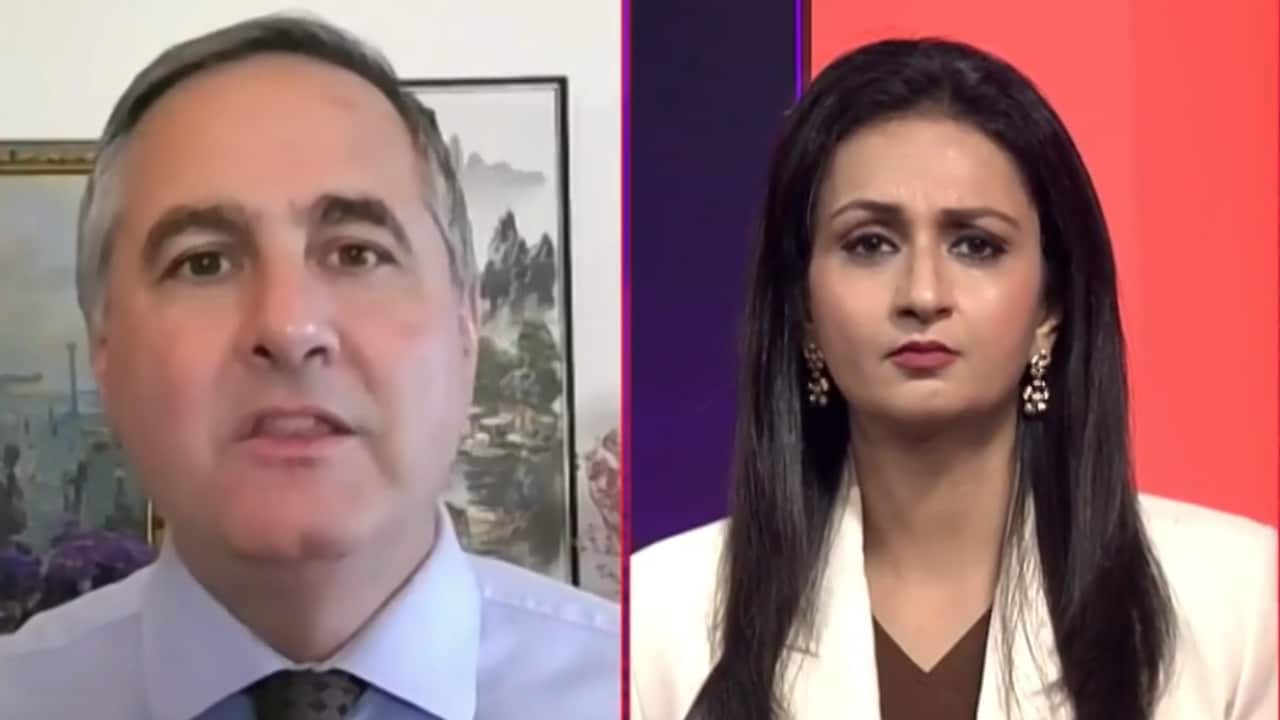
Political scientist Salvatore Babones argues that the recent wave of Gen Z protests in India is being misinterpreted by both Western observers and domestic analysts. While acknowledging legitimate grievances in cases like the NEET protests, he suggests the movements lack true organic spontaneity.
Key Takeaways
- Political scientist Salvatore Babones claims India's Gen Z protests are not entirely 'organic.'
- He notes that while protests like NEET have legitimate grievances, the broader context is being misread.
- Both Western media and Indian analysts are criticized for misinterpreting the movement's nature.
- The intersection of youth discontent and political narratives is at the core of the debate.
In a provocative critique of current social dynamics in India, Sydney-based political scientist Salvatore Babones has suggested that the protests led by India's 'Gen Z' are not as spontaneous or 'organic' as they appear. Babones argues that the current wave of unrest is being fundamentally misunderstood by observers both within India and in the Western world.
Misreading the Youth Movement
According to Babones, the complexity of these movements is often lost in translation. He points out that while specific movements, such as the NEET exam protests, are rooted in genuine and legitimate grievances regarding education and fairness, the larger character of the protests is being misrepresented. He suggests that the perception of these movements as purely grassroots surges may be overlooking deeper structural or external influences.
Why This Matters
BozokMedia analysis shows that the interpretation of youth dissent is crucial for understanding the future of Indian democracy. If these protests are indeed being shaped by specific narratives rather than purely organic social pressure, it changes how policymakers and international bodies approach stability and governance in the region.
The tendency to view Indian youth protests through a simplified lens ignores the sophisticated interplay of digital mobilization and political messaging.
Historical Background
Student activism has long been a cornerstone of Indian political life, from the anti-Emergency movements of the 1970s to more recent agrarian reforms protests. However, the current era is distinct due to the unprecedented role of social media, which allows for rapid mobilization but also raises questions about the authenticity and direction of such movements.
Frequently Asked Questions
1. What is Salvatore Babones' main argument?
He argues that the current youth protests in India are being misread and lack the purely organic nature typically attributed to grassroots movements.
2. Does he believe the grievances are false?
No, he explicitly states that protests like those regarding NEET are based on legitimate and real grievances.

