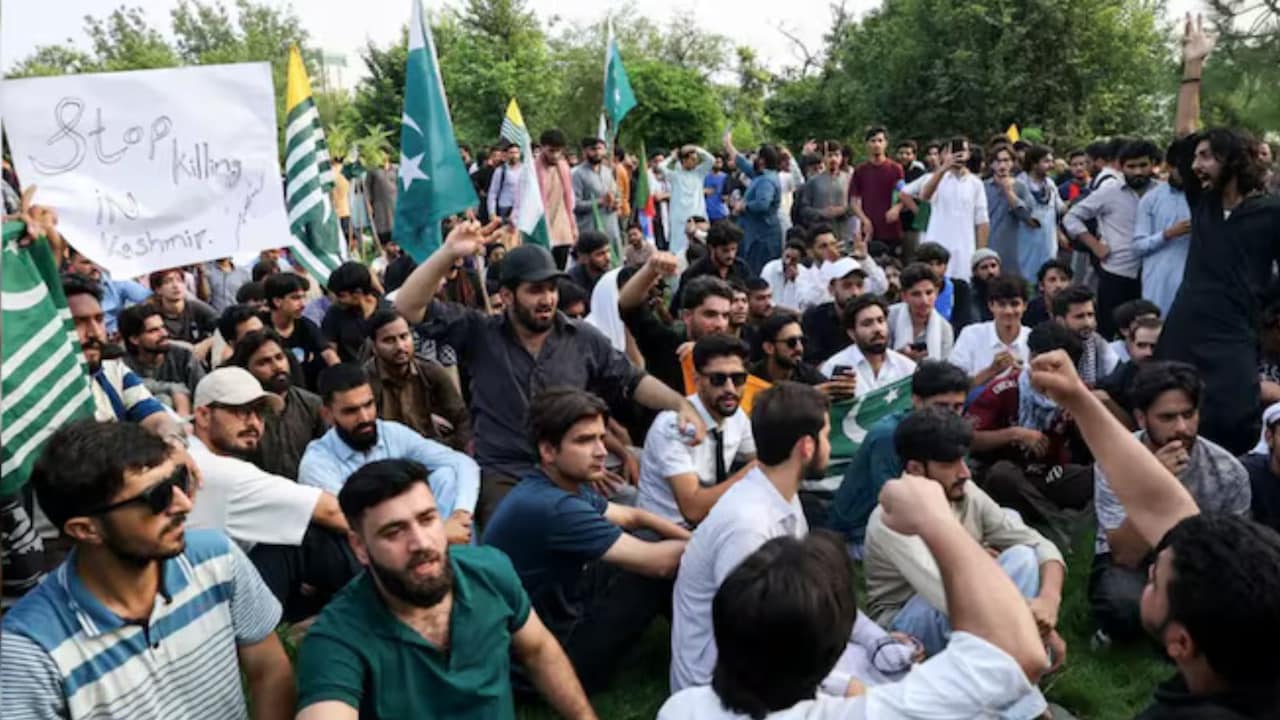
Lieutenant General Ahmed Sharif Chaudhry of Pakistan's ISPR has issued inflammatory remarks, targeting India and Afghanistan while using religious rhetoric.
Key Takeaways
- DG ISPR Lt Gen Ahmed Sharif Chaudhry made controversial religious remarks.
- Targeted the growing relationship between Afghanistan and India.
- Blamed 'external powers' for the insurgency in Balochistan.
In a move that has drawn widespread condemnation, Pakistan's Director General ISPR, Lieutenant General Ahmed Sharif Chaudhry, has utilized inflammatory religious rhetoric in a recent public address. By advising against befriending 'Kafirs,' the military official has fueled religious tensions and pointedly targeted India.
Geopolitical Friction with Afghanistan
Beyond religious rhetoric, General Chaudhry took a sharp diplomatic dig at Afghanistan. He expressed discontent over Afghanistan's strengthening ties with India, suggesting that Kabul's foreign policy is being influenced by external actors to the detriment of Pakistan's interests.
Why This Matters
BozokMedia analysis shows that such statements from high-ranking military officials indicate a shift toward using religious identity as a tool for nationalist mobilization. This strategy is often employed to divert public attention from domestic economic crises and internal security challenges, such as the unrest in Balochistan.
The use of sectarian language by military leadership signals a dangerous erosion of professional diplomatic norms in the region.
Historical Background
The relationship between Pakistan, India, and Afghanistan has long been characterized by mutual suspicion. Pakistan has consistently accused India of interfering in its internal affairs, particularly in the Balochistan province, a claim India has repeatedly refuted on international platforms.
Frequently Asked Questions
1. What was the core of the General's controversial statement?
He used religious terminology to discourage ties with non-believers, perceived as a jab at India.
2. How did he view the situation in Balochistan?
He attributed the ongoing insurgency in Balochistan to interference by 'external powers.'

