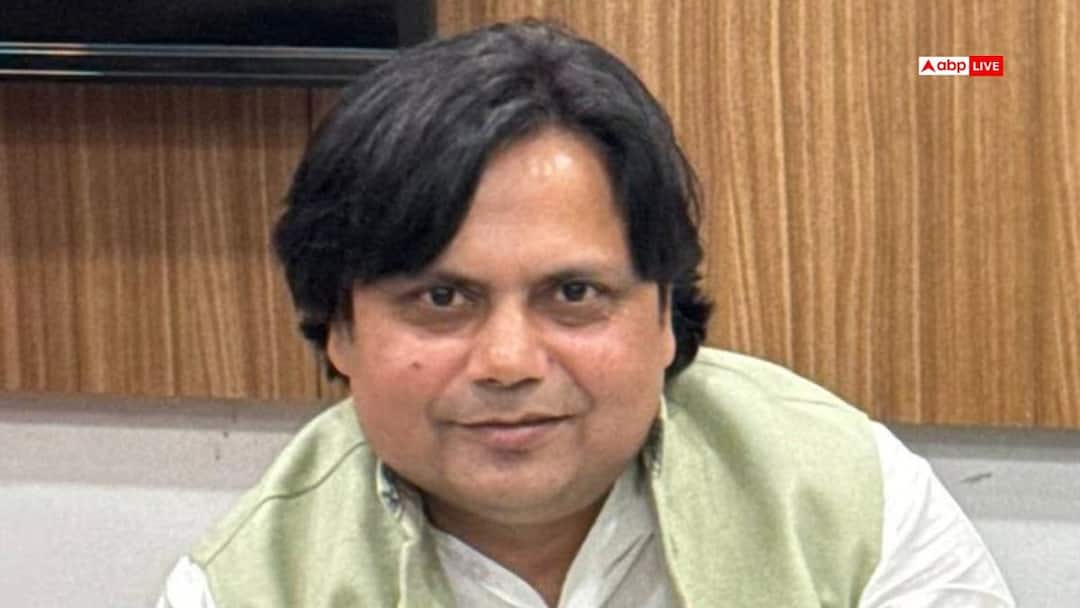
The Delimitation Bill has triggered a fresh political battle in India. Samajwadi Party leader Fakhrul Hasan Chand has questioned the motives behind increasing parliamentary seats.
Key Takeaways
- The Delimitation Bill is resurfacing as a major point of contention in Parliament.
- SP claims increasing the number of MPs will dilute the quality of representation.
- Allegations have been made that the BJP aims to consolidate power in specific regions.
The political landscape in India is heating up once again regarding the proposed Delimitation Bill. As the Bharatiya Janata Party (BJP) makes efforts to bring the bill back to the floor of the House, the Samajwadi Party (SP) has launched a scathing attack, questioning the underlying intent of the move.
SP spokesperson Fakhrul Hasan Chand expressed deep concerns regarding the expansion of the legislature. He pointed out that with the current 543 members in the Lok Sabha, many representatives struggle to find adequate time to voice their constituents' concerns. He argued that simply increasing the number of MPs and MLAs would not strengthen democracy but could instead stifle individual voices.
Why This Matters
BozokMedia analysis shows that the delimitation debate is deeply intertwined with India's federal structure. The primary tension lies in the potential shift of political power from Southern states, which have controlled population growth, to Northern states. This creates a complex tug-of-war between demographic reality and political equity.
"The essence of democracy lies not in the volume of representatives, but in the strength of their ability to represent their people."
Furthermore, Chand alleged that the BJP's strategy is to maximize seat counts in regions where they are already dominant, while potentially undermining the influence of regions like South India. The Samajwadi Party maintains that the bill is a strategic move to ensure an 'invincible' position for the ruling party.
Frequently Asked Questions
1. What is the core issue with the Delimitation Bill?
The main issue is the potential imbalance in political representation between different states based on their population growth.
2. Why is the Samajwadi Party opposing it?
The SP believes it will decrease the effectiveness of individual MPs and serve the BJP's regional dominance goals.