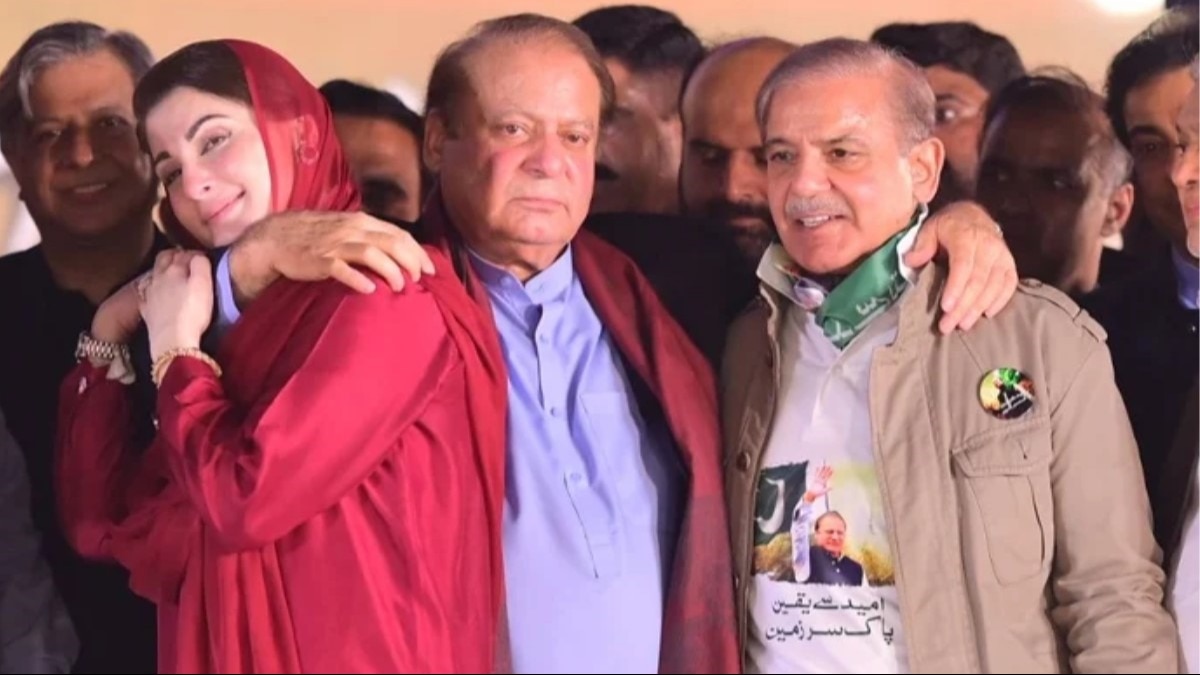
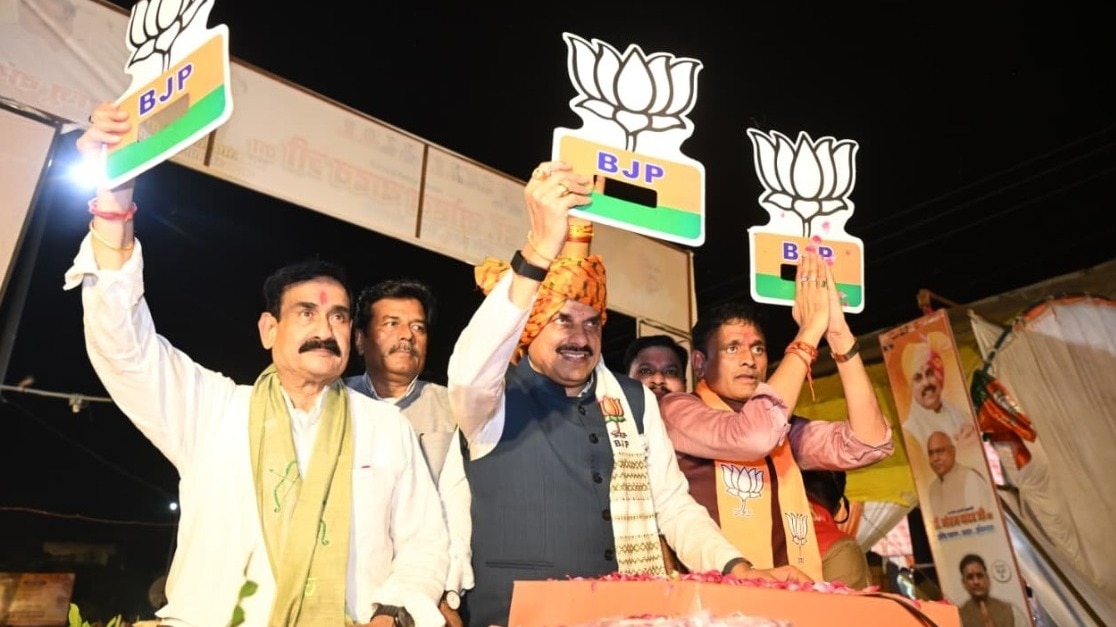
Tamil Nadu Chief Minister Thalapathy Vijay took the front line in the protest against lighting a lamp on Tirupur's Thirupparnkundu hill, only to receive a setback from the Supreme Court. The court refused to stay the Madras High Court order, intensifying the political clash.
Key Takeaways
- CM Thalapathy Vijay personally led the protest at the hill.
- The Supreme Court scheduled a hearing on the state’s plea and denied a stay on the High Court order.
- The state’s refusal to halt the High Court's directive escalates a political‑legal standoff.
Background
The annual lighting of a lamp on Tirupur’s Thirupparnkundu hill has been a long‑standing tradition. In 2023, the Madras High Court ordered a temporary ban citing communal sensitivities, prompting the Tamil Nadu government to file a petition against the order.
Supreme Court Proceedings
New Delhi’s Supreme Court has taken up the dispute, setting a hearing date for the state’s petition. The apex court rejected the request to stay the High Court’s order, leaving the state to comply with the lower court’s directive.
Why This Matters
BozokMedia analysis shows that the ruling not only raises questions about governmental control over religious sites but also threatens Tamil Nadu’s cultural identity and political stability.
"The Supreme Court’s decision sets a new precedent for judicial intervention in religious matters across the nation," said a constitutional law expert.
Frequently Asked Questions
Question 1: Will the Supreme Court’s ruling permanently ban lamp lighting at Tirupur?
Answer: The court only denied a stay on the High Court order; a complete ban has not yet been issued.
Question 2: What alternative steps will the Tamil Nadu government take after this decision?
Answer: The government has indicated it will seek legislative measures to balance heritage protection with constitutional rights.