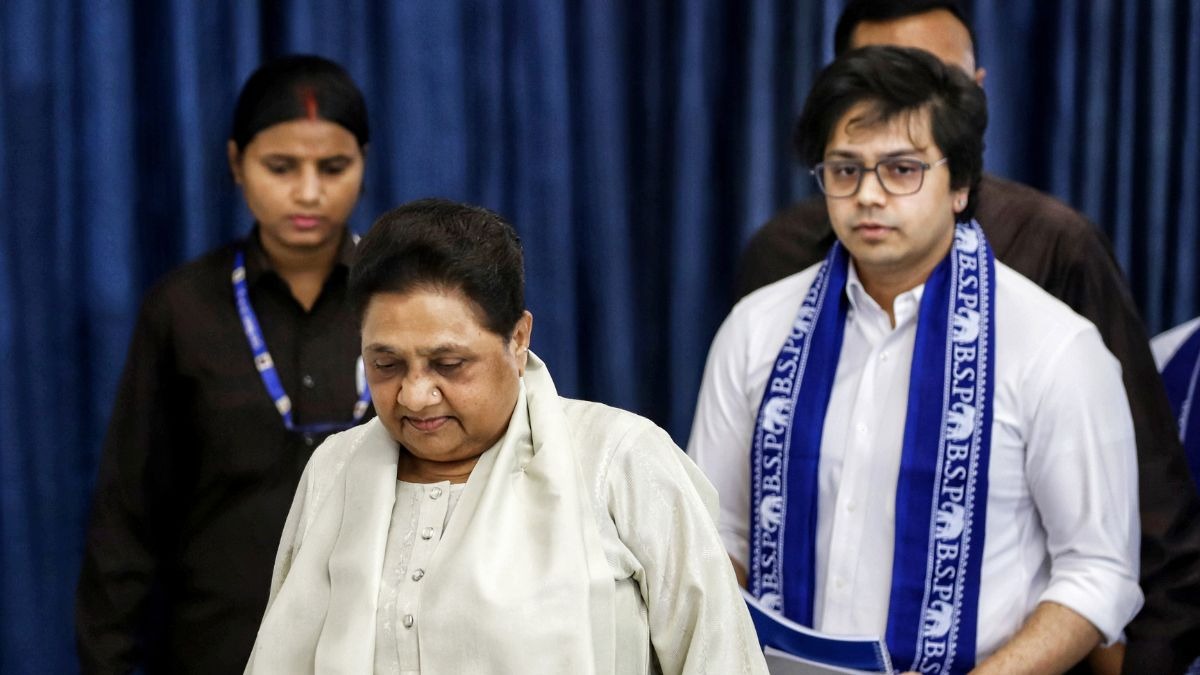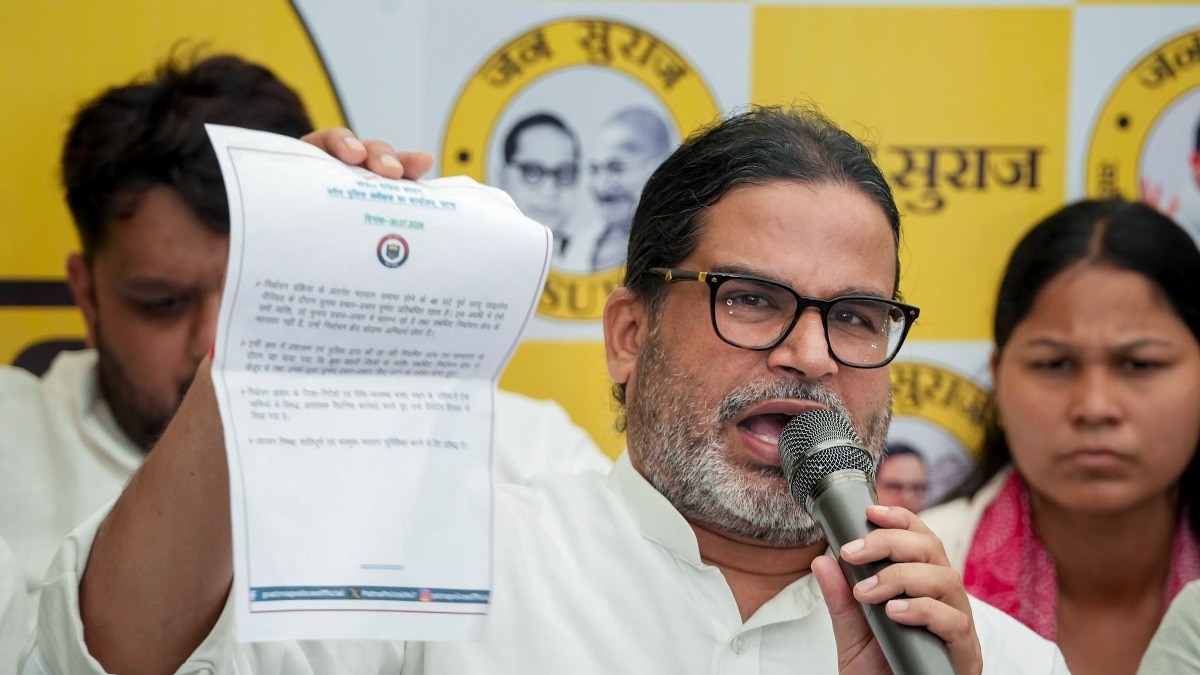
The Lok Sabha cleared a bill to increase the Supreme Court bench to 38 judges without debate. Earlier, a separate bill amending birth and death registration was also passed swiftly.
Key Takeaways
- Supreme Court judgeship will rise to 38
- Bill passed by voice vote
- Opposition’s statutory resolution was rejected
The House of the People approved a landmark bill today that will raise the number of judges in India’s highest court to 38, aiming to manage a swelling caseload more efficiently.
A statutory resolution submitted by opposition members condemning the ordinance was also dismissed through a voice vote, with no extended debate, highlighting a rapid legislative pace.
Just last week, a bill to amend the births and deaths registration act sailed through Parliament without discussion, underscoring the current session’s expedited approach.
Historical Background
The Supreme Court originally comprised seven judges in 1950. It was expanded to 34 in 2009, but rising pendency has repeatedly sparked calls for further enlargement, often meeting mixed parliamentary consensus.
Why This Matters
BozokMedia analysis shows that a larger bench could alleviate backlog, yet it also raises questions about the appointment process and judicial independence.
"Expanding the court without thorough deliberation may compromise the transparency of judicial reforms," says a senior legal analyst.
Frequently Asked Questions
Will the expansion reduce case backlog? Experts believe additional judges will speed up processing, but measurable impact will take time to assess.
Why did the opposition object? Their main concerns centered on the lack of transparency in the appointment mechanism and potential threats to judicial independence.