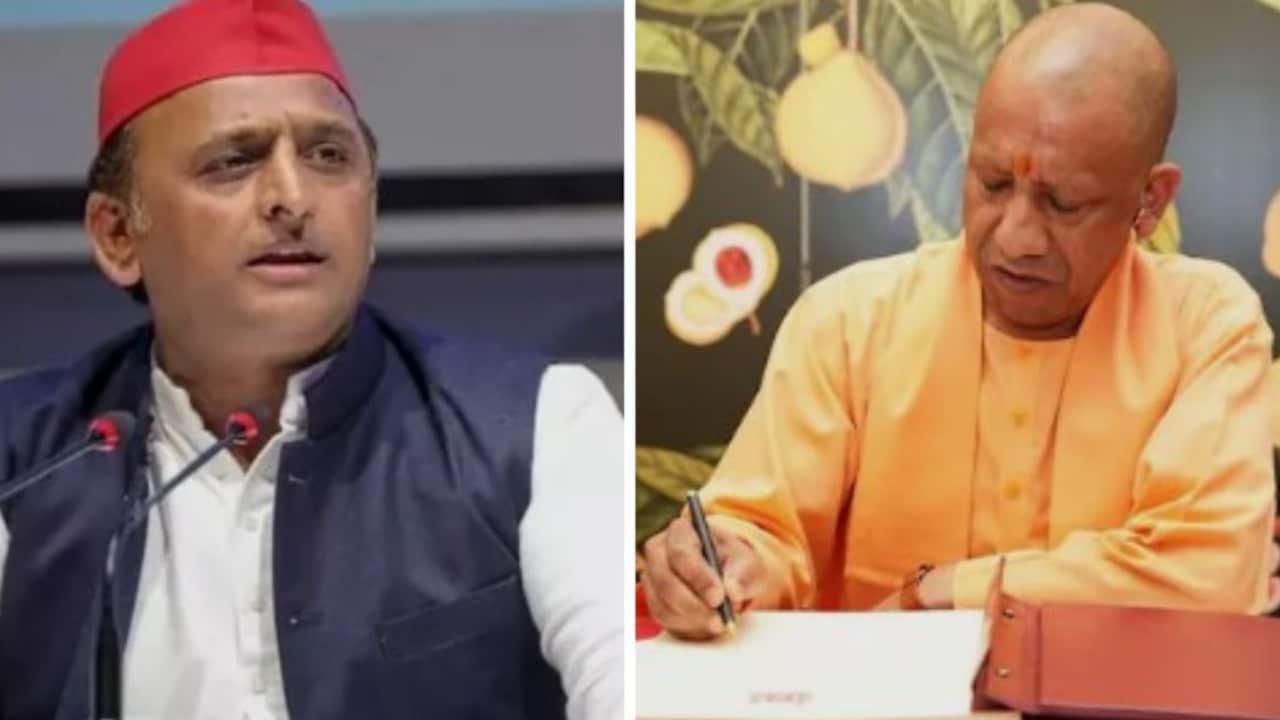
AAP National Convener Arvind Kejriwal has urged citizens to join large-scale protests to halt the implementation of E20 fuel. The party aims to intensify its campaign against the new fuel policy.
Key Takeaways
- Arvind Kejriwal has launched a campaign against E20 fuel.
- AAP is calling for widespread public participation in protests.
- The protest aims to stop the implementation of high-ethanol blending.
AAP national convener Arvind Kejriwal made a significant political move on Tuesday, August 4, 2026, by announcing that his party's campaign against E20 fuel will intensify. Kejriwal urged citizens to join massive protests if they wish to prevent the government from implementing this specific fuel policy.
The E20 fuel, which contains a 20% ethanol blend, is part of the government's strategic push to reduce petroleum imports. However, Kejriwal's stance suggests significant concerns regarding the impact of this blend on existing vehicle engines and consumer costs. He emphasized that collective action is necessary to halt the rollout.
Why This Matters
BozokMedia analysis shows that the transition to higher ethanol blends presents a complex challenge for both the automotive industry and the general public. While intended to be environmentally friendly, the technical compatibility of older vehicles with E20 fuel remains a critical point of contention that could lead to massive repair costs for millions of citizens.
The shift toward higher ethanol concentrations poses a significant risk to the mechanical integrity of older internal combustion engines.
Historical Background
India has been steadily increasing its ethanol blending mandates, moving from E5 and E10 toward the ambitious E20 target. This initiative is part of a broader strategy to achieve energy independence and support the domestic agricultural sector by utilizing sugarcane and other biomass for ethanol production.
Frequently Asked Questions
1. What is E20 fuel?
E20 refers to a gasoline blend consisting of 20% ethanol and 80% petrol.
2. Why is there opposition to it?
Critics argue it may damage older vehicle engines and cause unexpected maintenance costs.