In a powerful critique, Ashok Lal and Naseeruddin Shah argue that the state is treating human potential like a bonsai tree—restricting growth through neglect and ideological conformity. However, Gen Z is fighting back.
Key Takeaways
- The state is using structural neglect and ideological pruning to create docile citizens.
- Critical historical narratives and the diversity of the freedom struggle are being erased.
- Gen Z is actively resisting this intellectual containment by questioning systemic failures.
In a profound metaphorical critique, Ashok Lal and Naseeruddin Shah draw a chilling parallel between the Japanese art of bonsai and the modern Indian state's approach to human potential. Just as a master prunes a majestic tree to keep it small and ornamental, the state is accused of pruning the intellectual capacity of its youth.
The authors argue that this process begins with physical neglect—evidenced by high infant mortality rates and malnutrition—and culminates in an educational system that acts as a sieve, filtering out critical thinkers and replacing them with conformists wrapped in the 'copper wires' of sanitized history.
Why This Matters
BozokMedia analysis shows that the erosion of historical complexity is not merely an academic issue but a direct threat to democratic stability. By removing the nuances of the Mughal era and the intense debates between leaders like Gandhi, Nehru, and Azad, the state is dismantling the institutional memory required to navigate a pluralistic society.
The modern state treats a child’s health as an unnecessary financial expense and their intellect as a direct threat.
The data presented is stark. In states like Gujarat and Uttar Pradesh, the combination of high infant mortality and crumbling educational infrastructure creates a 'cliff-edge' for children. When schools close and curricula are hollowed out, the foundation for a modern knowledge economy vanishes.
State Comparison: Health & Education Metrics
| State | Infant Mortality Rate (per 1000) | Primary Challenge |
|---|---|---|
| Gujarat | 20 | High secondary dropout rate (16.9%) |
| Uttar Pradesh | 37 | Massive closure of public schools |
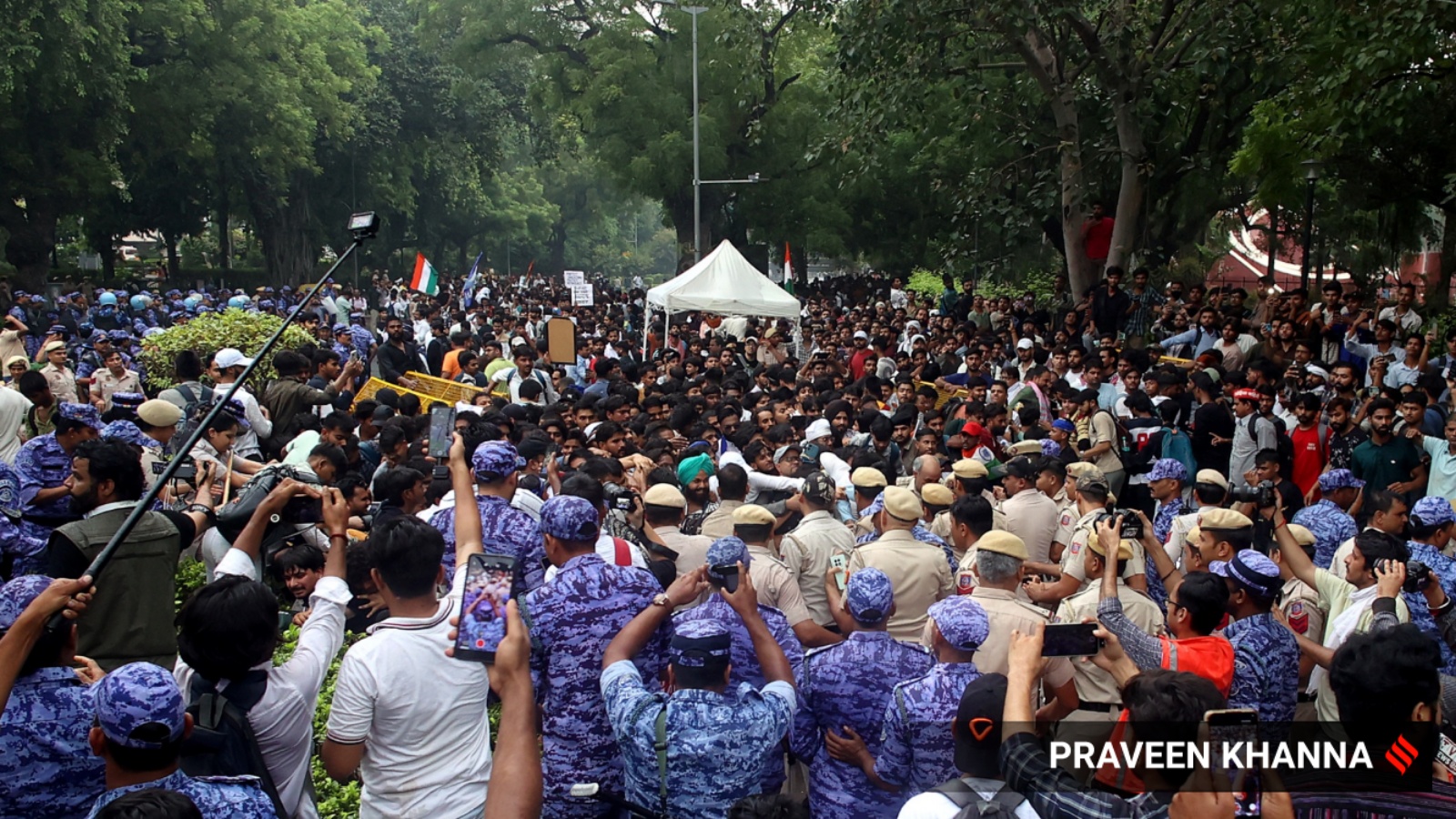
Despite these efforts to minimize the youth, a significant shift is occurring. The Gen Z movement is emerging as a defiant force, connecting systemic health deficits to policy failures and refusing to accept a rewritten version of their own heritage.
Frequently Asked Questions
1. What is meant by 'miniature citizens'?
It refers to individuals whose capacity for independent, horizontal, and critical thought has been intentionally restricted by state machinery.
2. How is Gen Z resisting this trend?
Gen Z is using their digital connectivity to question ideological rewrites of history and demand accountability for systemic failures.