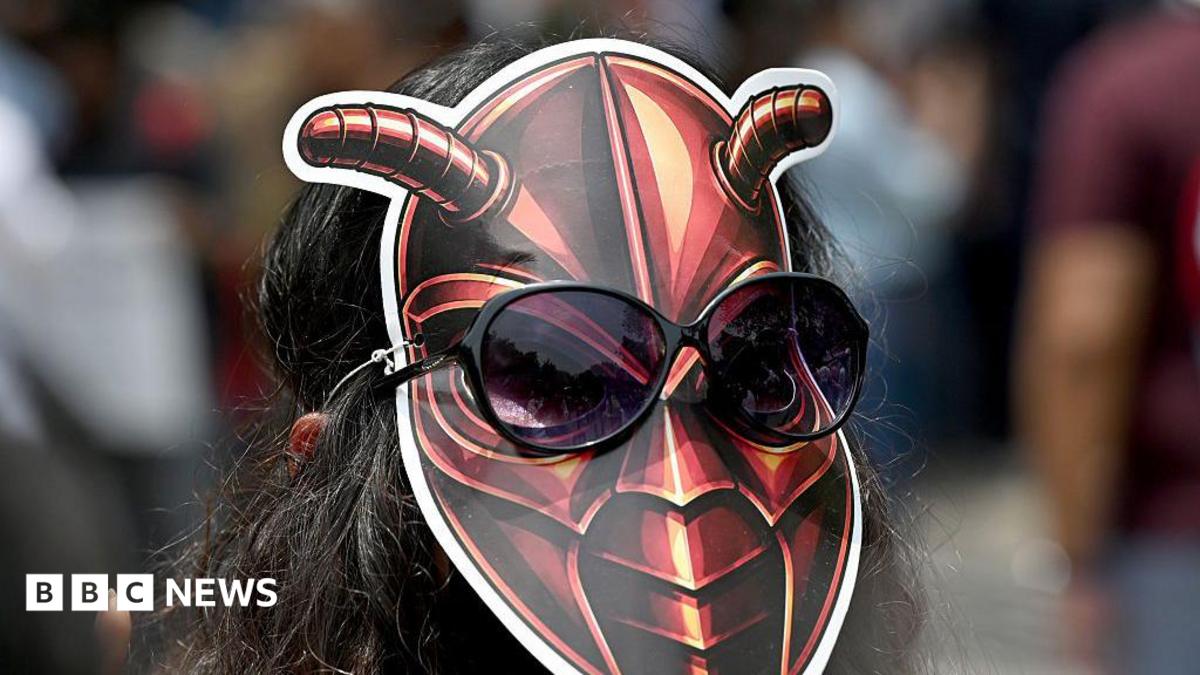
Young women participating in the Cockroach Janta Party (CJP) protests have shared harrowing accounts of rape threats, slut-shaming, and doxxing following their social media activism.
Key Takeaways
- Female protesters in the CJP movement faced intense gender-based online violence.
- Tactics included slut-shaming, sexual threats, and the leaking of private information (doxxing).
- The harassment extended beyond the victims, targeting their families and personal safety.
The Cockroach Janta Party (CJP), a youth-led movement that recently shook the Indian political landscape, relied heavily on the power of Instagram reels and viral memes to mobilize. However, for many of the women behind these posts, the digital victory has been overshadowed by a wave of targeted, gendered aggression.
According to reports, women who documented the protests—ranging from sarcastic clips to first-hand accounts of police crackdowns—have been subjected to systematic harassment. This includes slut-shaming, rape threats, and the circulation of doctored images designed to damage their reputations.
Why This Matters
BozokMedia analysis shows that this is not merely a case of individual internet trolls, but a broader pattern of using sexualized violence to silence political dissent. When women use digital platforms to engage in activism, they face a unique set of risks that male protesters rarely encounter, effectively creating a 'digital barrier' to female political participation.
The shift from political debate to personal character assassination marks a dangerous evolution in how dissent is suppressed in the digital age.
The impact has been deeply personal. One college student reported that after her protest footage was aired on national television, strangers identified her college and contacted her parents. This 'doxxing'—the act of publishing private information—has forced many young women to delete their accounts, archive their history, and retreat from the public eye out of fear for their safety and their families' well-being.
Historical Background
Digital activism in India has become a cornerstone of modern protest movements. While platforms like X (formerly Twitter) and Instagram have democratized information, they have also become battlegrounds for 'coordinated inauthentic behavior' and gender-based cyber-violence, often used to marginalize minority voices and female leaders.
Frequently Asked Questions
Q1: What was the CJP movement?
A: The Cockroach Janta Party was a youth-led movement in India that played a significant role in the resignation of the education minister.
Q2: How does doxxing affect activists?
A: Doxxing can lead to real-world harm, including physical stalking, harassment of family members, and loss of employment or educational opportunities.