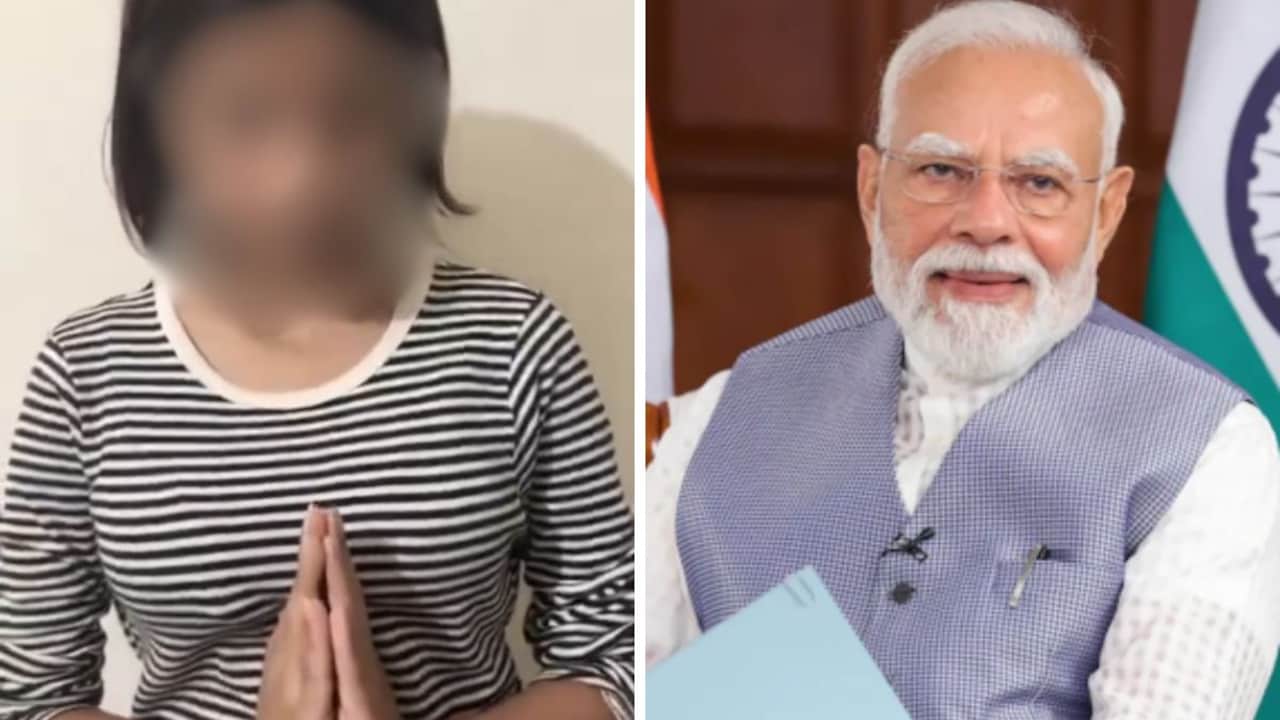
CPI Rajya Sabha member P. Sandosh Kumar has written to Prime Minister Narendra Modi demanding that all legal cases against students who protested the NEET paper leak be withdrawn. He describes the intimidation tactics as an assault on democratic principles.
Key Takeaways
- CPI MP demands withdrawal of all cases against protesting students.
- Protesters face intimidation from RSS workers and BJP leaders.
- Actions threaten the core of democracy and free expression.
P. Sandosh Kumar, a CPI Rajya Sabha member, sent a formal letter to Prime Minister Narendra Modi urging the immediate dismissal of all pending cases against students involved in the NEET paper‑leak protests. He labelled the movement a genuine expression of student frustration, now being met with harassment by RSS cadres and BJP officials.
The letter cites incidents where students documenting the protests on reels and social media were surrounded and threatened in Connaught Place, while others faced pressure at home, with families subjected to social intimidation. “The youth exercised their democratic right to protest against injustice. Instead of acknowledging their legitimate concerns, they are now being subjected to intimidation and fear,” Kumar wrote.
Kumar also highlighted the paradox of Prime Minister Modi’s frequent late‑night Instagram reels aimed at Gen Z, while the same youth are silenced for dissent. “It exposes the difference between image and reality. Democracy cannot be reduced to Instagram reels while dissent is met with intimidation,” he added.
Historical Background
India has witnessed several student movements over the decades, from the 1970s anti‑Emergency protests to the 2015 nationwide opposition to NEET. These movements have historically influenced policy changes. CPI has traditionally championed student rights, successfully lobbying courts to dismiss cases deemed politically motivated.
Why This Matters
BozokMedia analysis shows that continued legal pressure on student protesters can erode public trust in democratic institutions and fuel further unrest, especially when juxtaposed with the government's high‑profile social media outreach. The outcome of this demand could set a precedent for how dissent is handled in India’s constitutional republic.
"If the government continues to suppress student voices, the very foundation of democracy will be at risk," noted political analyst Dr. Anshu Verma.
Frequently Asked Questions
Question 1: Can all cases truly be withdrawn?
Answer: It depends on the evidence presented in court, but the legal process may take time.
Question 2: What could be the political impact of this demand?
Answer: It could heighten tensions between the government and opposition, influencing youth voter sentiment.