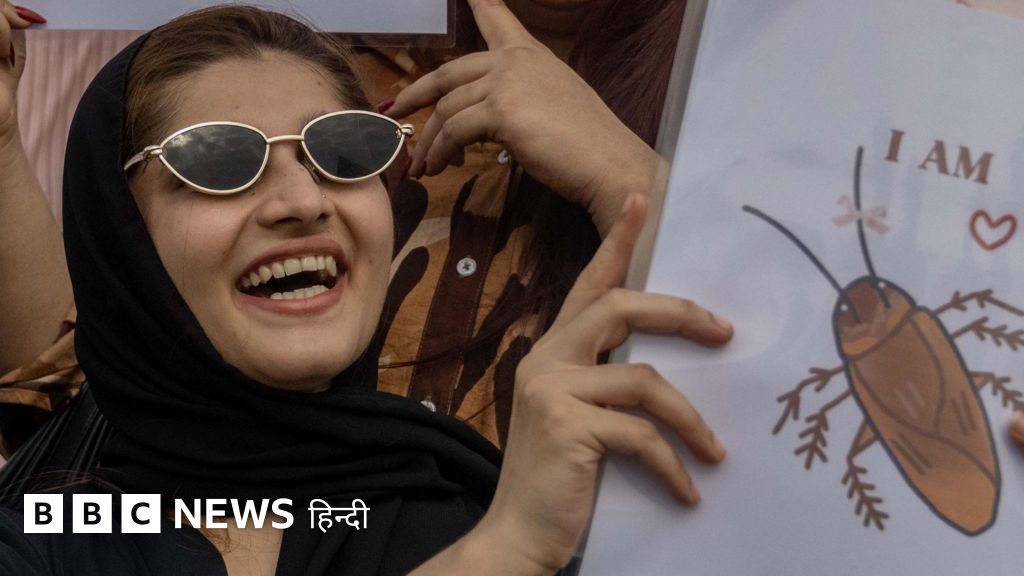
Chinese analysts are viewing the recent youth-led protests in India as a significant political setback for PM Modi. The unrest, triggered by exam leaks, highlights growing discontent regarding education and employment.
Key Takeaways
- Massive protests led by 'Cockroach Janata Party' (CJP) following NEET-UG paper leaks.
- Resignation of Education Minister Dharmendra Pradhan marked a major turning point.
- Chinese scholars argue Modi's economic policies have failed to create opportunities for educated youth.
- Top-tier Chinese state media maintained selective and limited coverage of the unrest.
Recent widespread protests led by Gen Z across several Indian cities have sent shockwaves beyond national borders. Chinese commentators and scholars have characterized these demonstrations as one of the most significant political setbacks in Prime Minister Narendra Modi's decade-long tenure.
The unrest was primarily ignited by the leakage of the NEET-UG entrance examination question papers. Interestingly, the movement gained momentum under the leadership of the Cockroach Janata Party (CJP), an entity that began as online satire but evolved into a massive grassroots protest movement. The protesters demanded systemic reforms and the resignation of Education Minister Dharmendra Pradhan, a demand that was eventually met.
Why This Matters
BozokMedia analysis shows that this is not merely a localized grievance regarding exam integrity; it is a systemic outcry. Scholars from Fudan University, including researcher Chen Zhuo, suggest that the government's need to concede to protesters indicates a loss of control. The discontent reflects a deeper frustration among India's highly educated youth regarding the gap between academic achievement and economic opportunity.
This crisis demonstrates that Modi's economic growth policies have been unable to provide opportunities to a large number of educated Indian youth.
On the Chinese social media platform 'Weibo', users discussed the protests as a revelation of structural weaknesses in Indian governance. However, it is notable that China's state-run media giants, such as Xinhua and CCTV, have exercised significant restraint, providing only selective reporting that aligns with their broader geopolitical interests.
Historical Background
India has seen a recurring pattern of tension surrounding competitive examinations. Frequent allegations of paper leaks have eroded the trust of millions of students in the meritocratic process, turning academic milestones into sites of political struggle.
Frequently Asked Questions
1. What triggered the recent protests in India?
The protests were primarily triggered by the leakage of NEET-UG exam papers and demands for education reforms.
2. What was the political outcome of the movement?
The intense pressure from the protests led to the resignation of the Union Education Minister, Dharmendra Pradhan.
