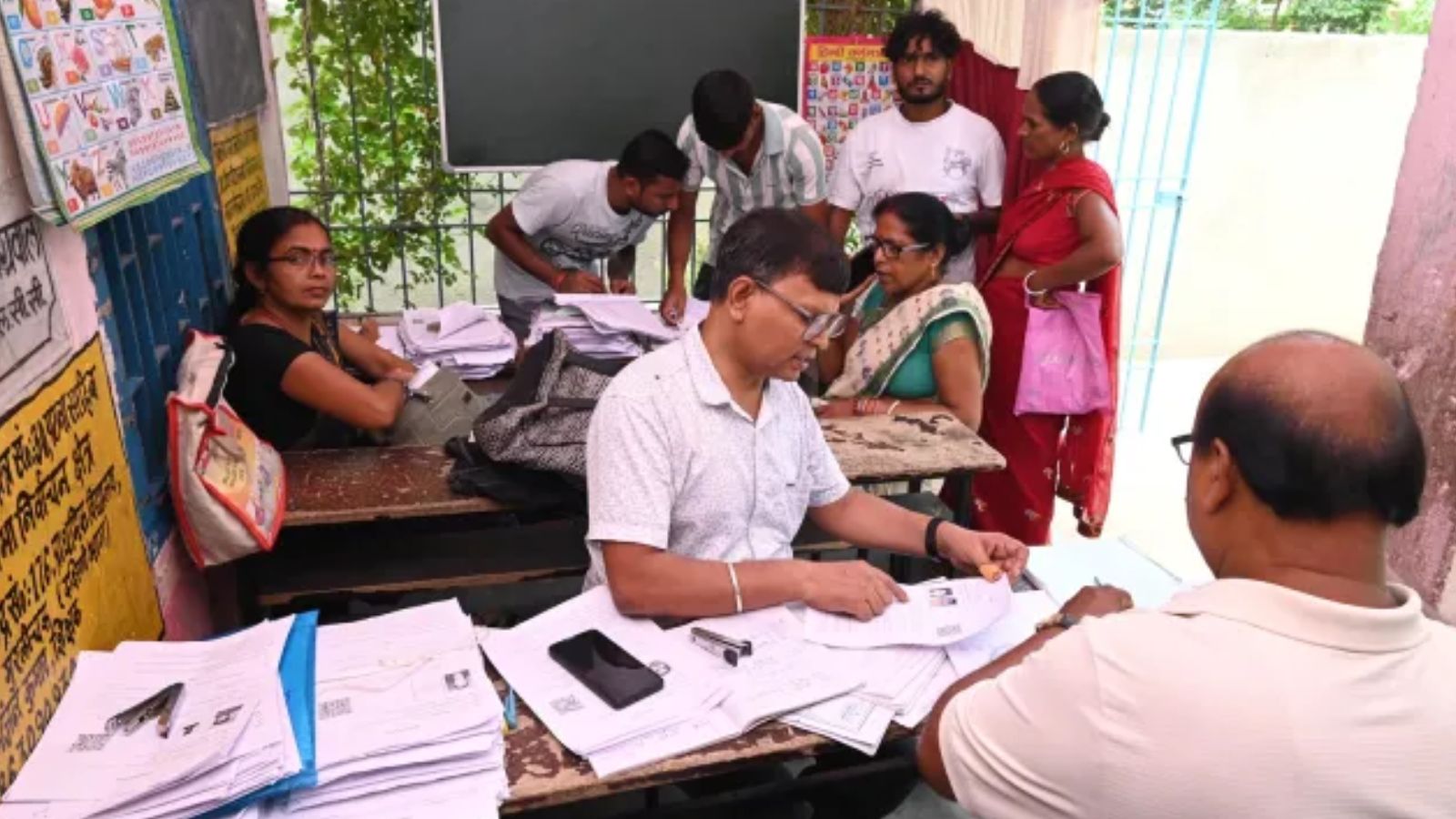
A massive 20% of Karnataka's voters have been categorized under the ASDDO classification during the ECI's Special Intensive Revision. Civil society groups are now demanding transparency and an extension of the enumeration phase.
Key Takeaways
- Approximately 1.11 crore out of 5.54 crore voters in Karnataka have been tagged as ASDDO (Absent, Shifted, Dead, Duplicate, and Others).
- The 'My Vote, My Right' coalition has petitioned the CEO for a detailed booth-wise list and reasons for removal.
- Bengaluru Urban district accounts for nearly half of the affected voters (approx. 50 lakh).
- The 20.04% ASDDO rate in Karnataka is the highest in India compared to UP and Gujarat.
As the enumeration phase of the Election Commission of India’s Special Intensive Revision (SIR) nears completion in Karnataka, a significant controversy has emerged. Nearly one-fifth of the state's electorate has been classified under the ASDDO category—standing for Absent, Shifted, Dead, Duplicate, and Others. This classification puts over 1.11 crore voters at risk of being excluded from the final electoral rolls.
A coalition of 40 civil society organizations, operating under the banner "My Vote, My Right," has formally petitioned Chief Electoral Officer (CEO) V. Anbukkumar. The group alleges a massive lack of communication, stating that no SMS or written notices were sent to voters regarding their status. "An ordinary person has no way of checking the status of their enumeration forms," the coalition noted in their letter.
Why This Matters
BozokMedia analysis shows that the integrity of the electoral roll is non-negotiable for a functioning democracy. The concentration of affected voters in Bengaluru Urban—amounting to nearly 50 lakh people—suggests potential systemic errors in data mapping. If voters are not given a clear mechanism to contest these classifications, it could lead to widespread disenfranchisement.
The responsibility of maintaining pure electoral rolls lies with the ECI, and it must not become a burden on the voter to prove their existence.
Data comparison reveals that Karnataka's 20.04% ASDDO figure is significantly higher than other states. For instance, Uttar Pradesh recorded 19.09% during its SIR, while Gujarat saw 14.45%. The coalition is demanding that the CEO publish a detailed, booth-wise list on the official website, including specific reasons for each classification, and extend the deadline until September 30 to allow for corrections.
Historical Background
Electoral roll revisions in India are critical to prevent fraudulent voting and ensure 'one person, one vote.' However, the transition to digitized systems and the reliance on older electoral data (like the 2002 rolls mentioned in this case) often lead to discrepancies where living, active voters are mistakenly flagged as dead or shifted.
Frequently Asked Questions
Q1: What does the ASDDO category signify?
A: It stands for voters categorized as Absent, Shifted, Dead, Duplicate, or belonging to 'Other' categories.
Q2: What is the main demand of the civil society groups?
A: They are demanding the public release of the ASDDO list with reasons and an extension of the revision period until September 30.