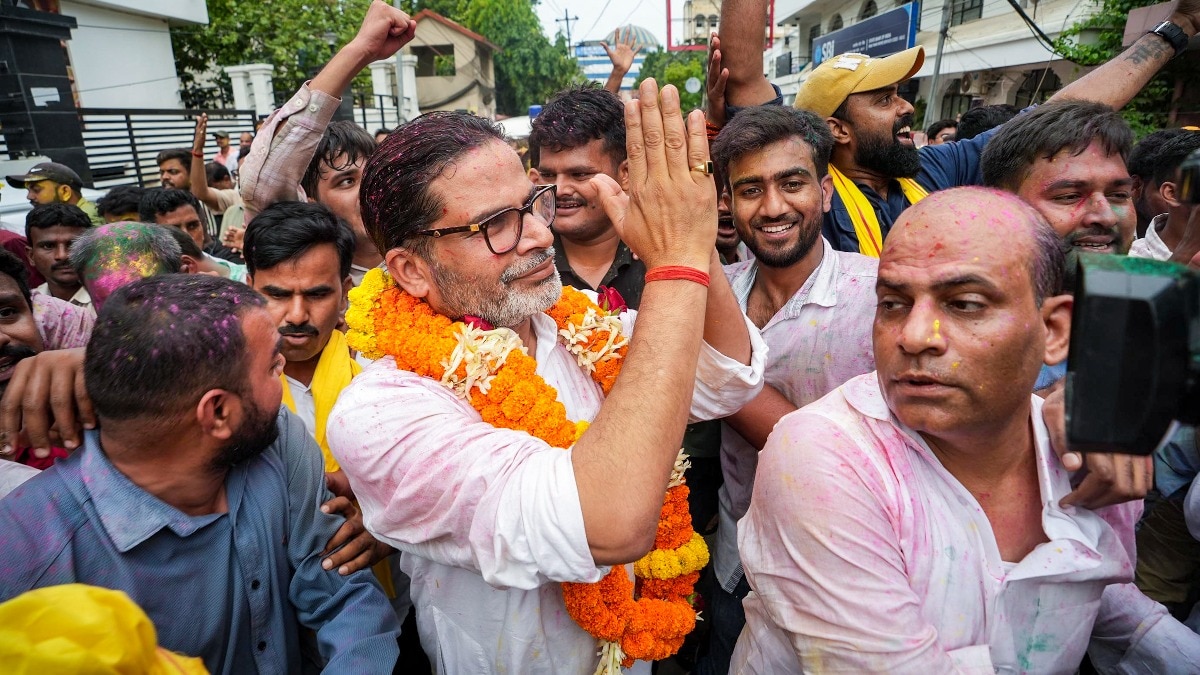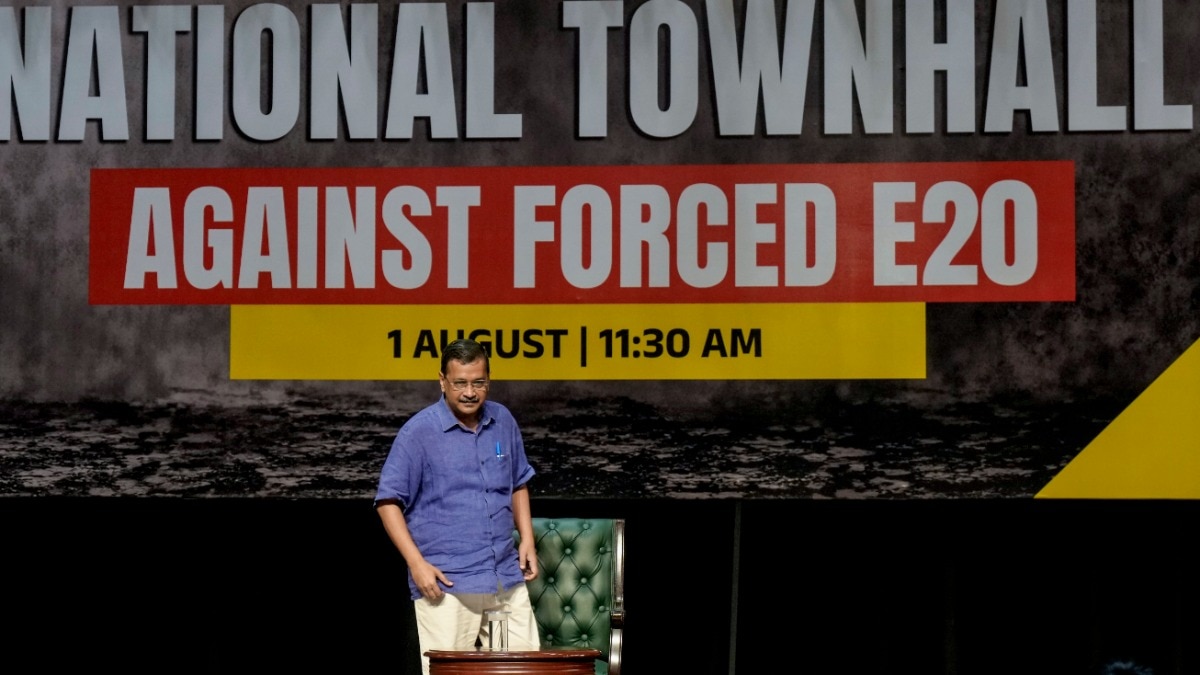
AAP leader Arvind Kejriwal plans to lead a delegation to PM Modi's residence to protest E20 ethanol-blended petrol. While Kejriwal alleges US pressure, Delhi Police has denied permission citing prohibitory orders.
Key Takeaways
- Arvind Kejriwal to lead a 100-member march to the PM's residence against E20 fuel.
- AAP alleges the Centre is yielding to US pressure to import ethanol.
- Delhi Police cites Section 163 (BNSS) restrictions and lack of permission to deny the march.
- BJP accuses Kejriwal of contradicting the interests of Punjab's farmers.
In a significant escalation of the fuel controversy, Aam Aadmi Party (AAP) national convener Arvind Kejriwal announced on Monday that he will lead a march of 100 people to Prime Minister Narendra Modi's residence on Tuesday. The protest aims to submit public petitions opposing the widespread implementation of E20 petrol (20% ethanol-blended fuel).
Addressing the media, Kejriwal alleged that the central government is aggressively promoting ethanol-blended fuel under pressure from US President Donald Trump. He claimed that India has "yielded" to purchasing ethanol from the United States, questioning the hidden agenda behind pushing this policy despite numerous complaints from vehicle owners regarding engine compatibility and performance.
Why This Matters
BozokMedia analysis shows that this standoff highlights a deep-seated conflict between environmental energy transition goals and the immediate concerns of the consumer and automotive sectors. The debate sits at the intersection of national energy security and international diplomatic influence.
The E20 mandate represents a high-stakes gamble between reducing crude oil imports and managing the technical transition for millions of existing vehicle owners.
Political Crossfire
The move has triggered a fierce political response. BJP IT Cell chief Amit Malviya attacked Kejriwal, accusing him of hypocrisy. Malviya argued that ethanol blending actually benefits farmers by creating value from surplus grains and strengthens India's energy independence. He further noted that farmers in AAP-ruled Punjab are actually supporting ethanol production.
Meanwhile, Delhi Police has remained firm on security protocols. Officials stated that no formal permission was sought by the AAP for the march. Furthermore, due to the ongoing Parliament session, prohibitory orders under Section 163 of the Bharatiya Nagarik Suraksha Sanhita (BNSS) are currently in effect in the New Delhi district, effectively restricting public gatherings in the area.
Frequently Asked Questions
1. What is the main grievance against E20 fuel?
Critics and vehicle owners are concerned about the impact of high ethanol blends on engine longevity and the economic motivations behind the policy.
2. Why was the march denied permission?
The Delhi Police cited existing prohibitory orders under Section 163 due to the Parliament session and noted that no official permission was requested.