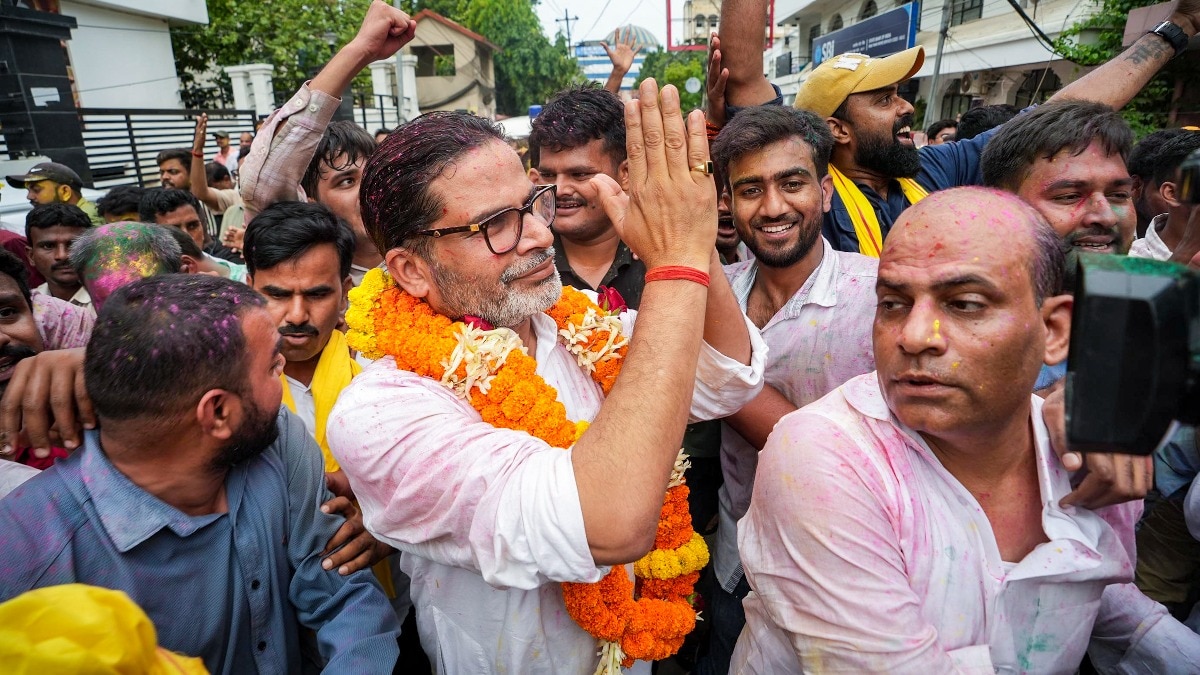
The Michigan Democratic Senate primary has concluded, highlighting a profound ideological split between candidates El-Sayed and Stevens. The race showcased two distinct paths for the party's future.
Key Takeaways
- Michigan Democratic Senate primary elections have concluded.
- Candidates El-Sayed and Stevens offered contrasting political philosophies.
- The outcome signals the future ideological direction of the Democratic Party.
The Michigan Democratic Senate primary race has officially drawn to a close, leaving behind a landscape defined by ideological distinction. The contest between El-Sayed and Stevens was far more than a simple race for office; it was a battle for the soul and direction of the Democratic Party in the region.
El-Sayed campaigned on a platform of progressive transformation and systemic reform, aiming to push the party toward more radical policy shifts. In contrast, Stevens positioned himself as a pragmatic voice, emphasizing stability and working within existing party frameworks to achieve incremental progress.
Why This Matters
BozokMedia analysis shows that this primary serves as a critical barometer for the national Democratic Party. As the party grapples with its identity on a federal level, the results in a key state like Michigan provide essential data on whether the base is trending toward progressive activism or moderate governance.
This primary is a microcosm of the broader struggle between progressive movements and the institutional Democratic establishment.
Throughout the campaign, both candidates tackled high-stakes issues including healthcare access, economic inequality, and climate action. Their differing approaches to these crises provided voters with a clear choice between revolutionary change and steady leadership.
Historical Background
Michigan has long been a cornerstone of American political discourse, often serving as a bellwether for industrial and labor-related policy shifts. The state's political evolution reflects the changing demographics and economic realities of the American Midwest, making its primary outcomes highly influential.
Frequently Asked Questions
Question 1: What was the core difference between the two candidates?
Answer: El-Sayed focused on progressive, systemic changes, while Stevens advocated for moderate, pragmatic policy implementation.
Question 2: How will this impact future elections?
Answer: The primary outcome will influence how the Democratic Party allocates resources and shapes its platform for upcoming general elections.