Following his release in the Trisha remarks controversy, DMK leader Udhayanidhi Stalin has launched a scathing attack on the government, alleging terrorist-like treatment by authorities.
Key Takeaways
- Udhayanidhi Stalin released after legal proceedings in the Trisha remarks case.
- Stalin alleged the government used extreme measures against him.
- The incident has sparked a massive political debate in Tamil Nadu.
DMK stalwart Udhayanidhi Stalin has broken his silence following his recent arrest and subsequent release. The controversy, which stems from remarks made regarding actress Trisha, has escalated into a major political standoff.
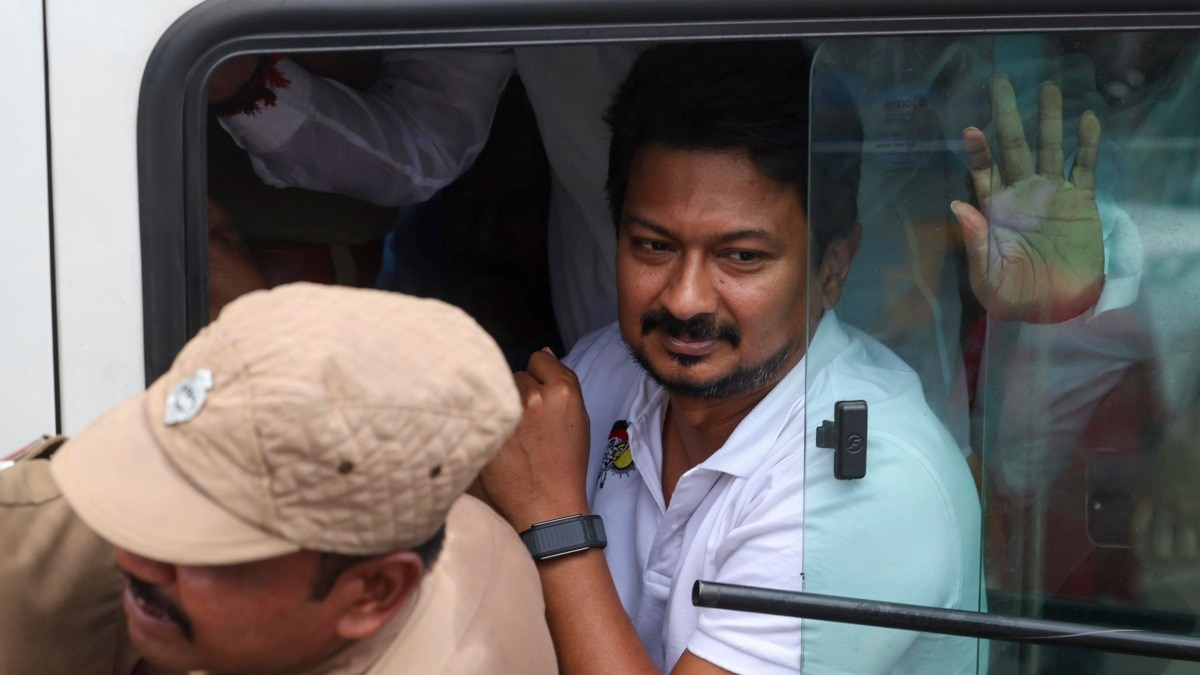
Upon his release, Stalin expressed deep resentment toward the state authorities. He claimed that the manner in which the police picked him up and conducted the arrest was reminiscent of how a terrorist would be handled, rather than a political leader.
Why This Matters
BozokMedia analysis shows that this incident transcends a simple legal dispute; it highlights the growing tension between political figures and law enforcement agencies in the region. Such allegations of 'state-sponsored intimidation' can significantly impact public perception and upcoming political narratives.
"The escalation from a remarks-based controversy to allegations of terrorist-style policing marks a dangerous shift in political discourse," noted a legal expert.
The legal saga began when a case was booked against Stalin regarding his comments on actress Trisha, leading to his detention by the police on Tuesday. The political climate in Tamil Nadu remains highly charged as parties react to the incident.
Did You Know?
Frequently Asked Questions
Q1: What is the core of the Trisha remarks case?
Answer: The case involves controversial statements made by Udhayanidhi Stalin regarding the actress Trisha.
Q2: How did Stalin react to his arrest?
Answer: He described the police action as disproportionate and compared the treatment to that of a terrorist.