The BJP's long-standing reliance on a consolidated Hindu vote bank in the Hindi heartland is facing unprecedented tests. Recent electoral signals from Bankipur and massive mobilizations at Jantar Mantar suggest a potential fracturing of this coalition, forcing the party to reconsider its strategy ahead of the crucial delimitation exercise.
Key Takeaways
- BJP's assumption of a durable Hindu coalition in the Hindi heartland is under scrutiny.
- Developments in Bankipur and Jantar Mantar highlight shifting caste dynamics.
- The upcoming delimitation exercise makes these political cracks critical for the party's future.
For years, the Bharatiya Janata Party (BJP) has operated on a calculated assumption: that it has successfully constructed a durable Hindu voting coalition across much of the Hindi heartland. While it was never expected that every Hindu would vote for the party, the strategy relied on securing enough support across various caste groups to provide a distinct structural edge over the opposition. However, this political calculus is now facing a stern reality check from two recent developments: the electoral dynamics of Bankipur and the social mobilization at Jantar Mantar.
The Signals from Bankipur and Jantar Mantar
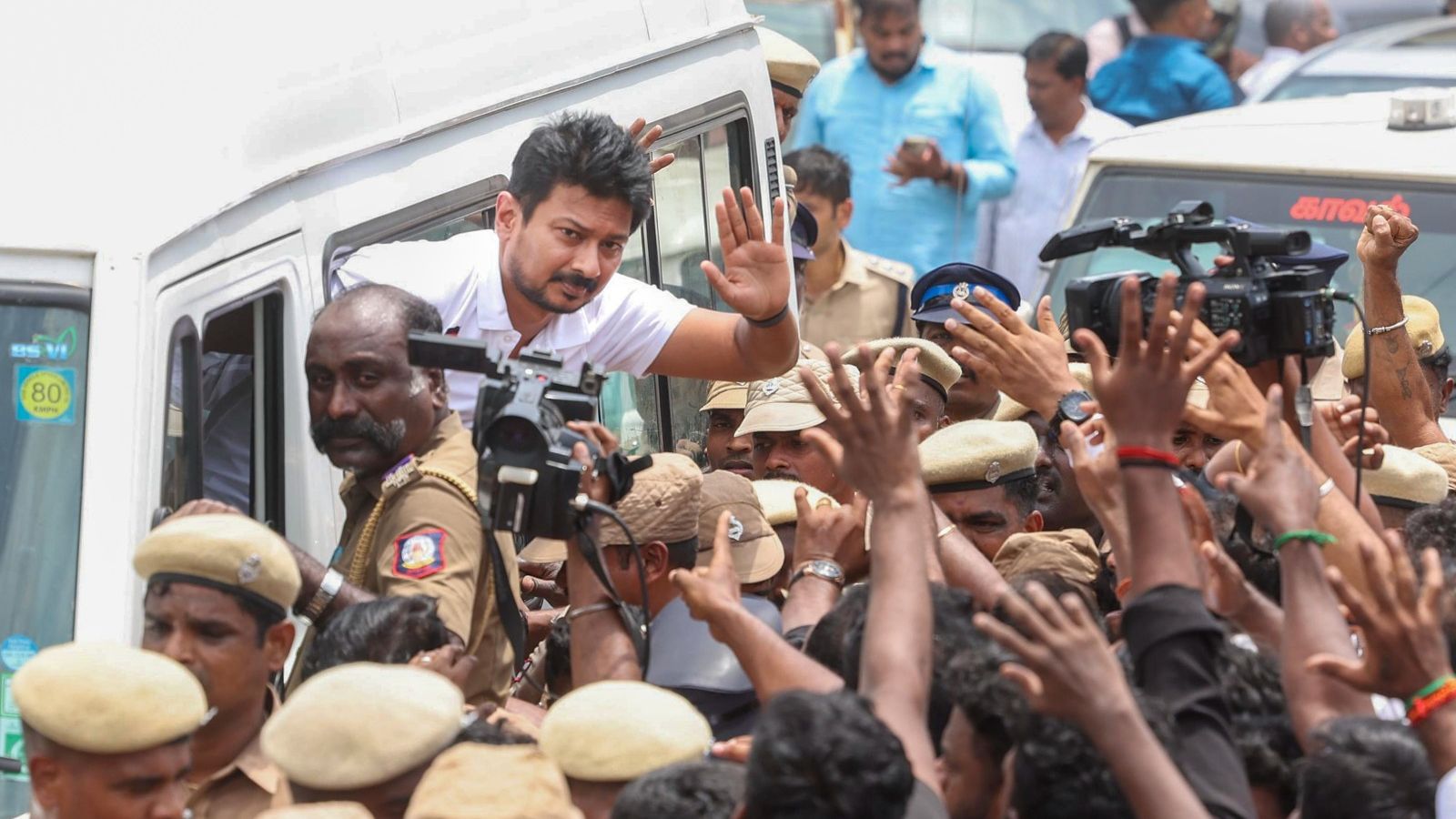
The significance of Bankipur and the protests at Jantar Mantar extends beyond immediate headlines. Bankipur serves as a microcosm of the complex caste equations that can derail a majoritarian narrative, suggesting that specific community interests are beginning to override broader religious consolidation. Meanwhile, Jantar Mantar has historically been the epicenter of demands for social justice, and recent gatherings there indicate a resurgence of caste-based mobilization that the BJP cannot afford to ignore.
Historical Background
Since the 1990s, the BJP has navigated the complex interplay of 'Mandal' and 'Kamandal' politics. The party's rise was initially fueled by the Ram Janmabhoomi movement, but it sustained power by incorporating backward castes into its fold. The current challenge resembles the pre-2014 era where caste arithmetic often trumped religious polarization. With the delimitation commission likely to redraw boundaries based on the 2026 Census (potentially favoring the North), a fractured vote bank could nullify the anticipated gains.
Why This Matters
BozokMedia analysis shows that delimitation is not just about numbers; it is about the durability of the mandate. If the BJP enters the delimitation process with a weakening base, the redrawing of constituencies—which was expected to favor the party due to population control in the South—could backfire by creating more competitive seats in its strongholds.
"Political coalitions are organic; they either evolve or they erode. The BJP's current challenge is not about opposition unity, but internal fragmentation of its core social base."
| Scenario A (Stable Coalition) | Scenario B (Fragmented Base) |
|---|---|
| Delimitation leads to more seats in North. | Internal competition loses narrow margins. |
| Caste groups align with broader Hindu identity. | Caste-specific demands override party loyalty. |
| Structural edge maintained until 2029. | Increased vulnerability in swing states. |
Frequently Asked Questions
Q: What is delimitation?
A: Delimitation is the process of redrawing the boundaries of Lok Sabha and Assembly constituencies based on the latest population data to ensure equal representation.
Q: Why are Bankipur and Jantar Mantar significant for BJP?
A: These locations represent emerging challenges to the BJP's vote bank—Bankipur through electoral caste arithmetic and Jantar Mantar through social justice protests—signaling a need to rethink strategy.