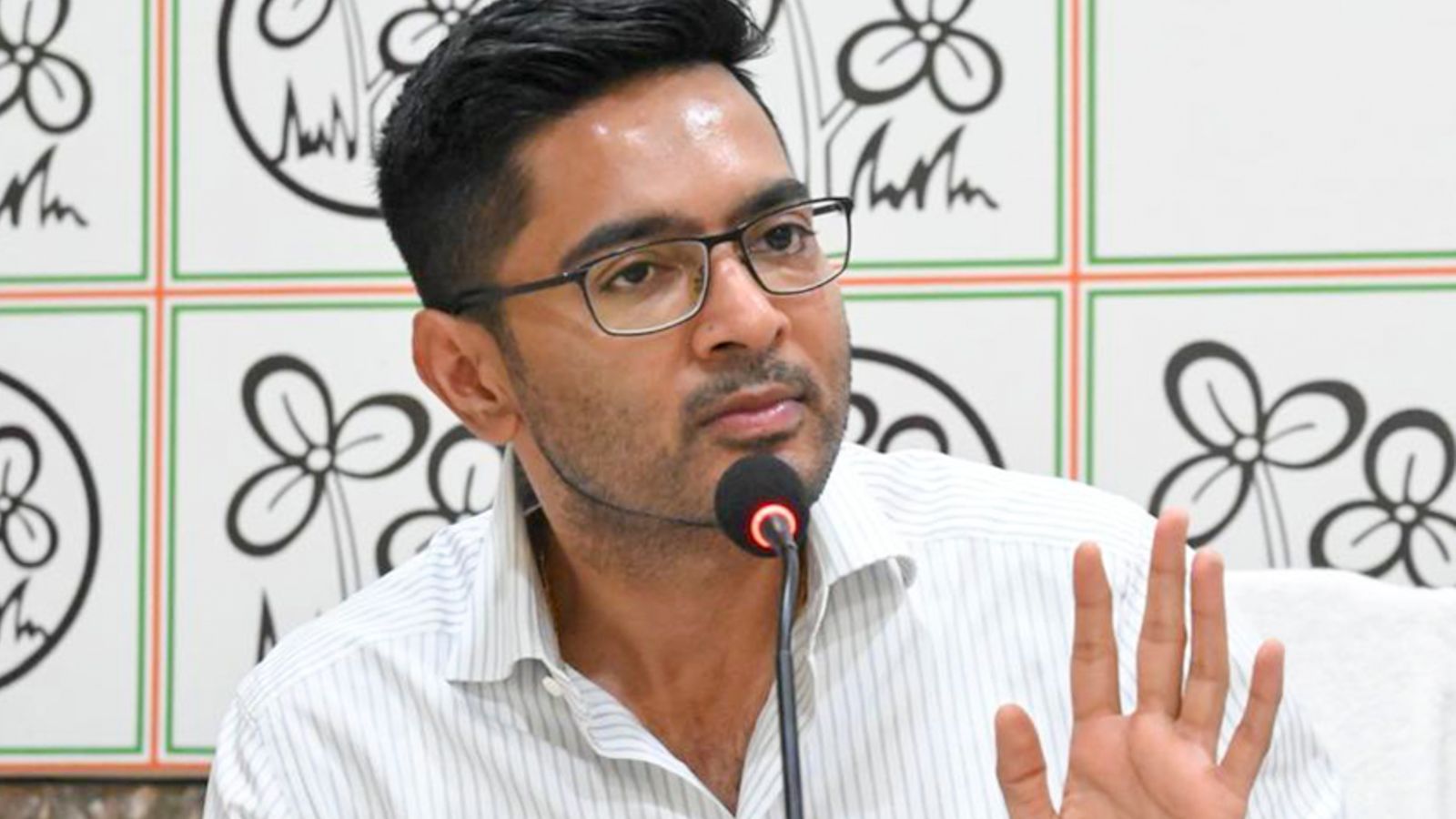
The Calcutta High Court has rejected TMC leader Abhishek Banerjee's request to travel abroad for eye treatment, citing pending criminal cases and refusal to undergo local medical board examination.
Key Takeaways
- Calcutta High Court denied TMC leader Abhishek Banerjee permission to travel abroad for eye treatment.
- The court emphasized that medical necessity must be verified by the SSKM Hospital medical board.
- Banerjee's counsel refused to submit to the medical board's examination.
- The decision considers the impact on approximately 15 pending criminal cases.
The Calcutta High Court on Wednesday dismissed the plea filed by Trinamool Congress (TMC) national general secretary Abhishek Banerjee, seeking permission to travel abroad for eye treatment. The court's decision was heavily influenced by the ongoing criminal proceedings against him and his refusal to comply with medical verification protocols.
The matter reached the High Court following a directive from the Supreme Court to dispose of the application within a week. Justice Saugata Bhattacharya's single-judge bench had previously advised Banerjee to seek an opinion from the medical board at SSKM Hospital to determine if overseas travel was medically unavoidable. However, when Banerjee's legal team stated he would not submit to the board, the court dismissed the application.
Why This Matters
BozokMedia analysis shows that this ruling sets a significant precedent regarding the intersection of personal health rights and judicial scrutiny. For high-profile political figures facing multiple investigations, the court must balance the right to choose medical care with the necessity of ensuring that travel requests are not used to evade legal proceedings or delay ongoing trials.
"If the treatment can be administered in India, there is no need to go abroad. India is not lagging in medical science." — Justice Saugata Bhattacharya
Representing Banerjee, Senior Advocate Rebecca John argued that the leader has traveled abroad numerous times between 2023 and 2025 without absconding. She maintained that choosing a specific doctor or institution is a personal right and that his diplomatic passport ensures government tracking. Despite these arguments, the court expressed dissatisfaction with the credibility of the submitted medical documents and insisted on a local medical assessment.
Historical Background
Abhishek Banerjee has been a central figure in several high-stakes investigations conducted by the Enforcement Directorate (ED) and other agencies. The volume of pending cases against him has frequently made his movement a subject of legal debate and judicial oversight.
Frequently Asked Questions
1. Why did the High Court refuse the permission?
The court refused because the applicant was unwilling to undergo an examination by the SSKM Hospital medical board to verify the necessity of foreign treatment.
2. How many cases are pending against Abhishek Banerjee?
The court noted that approximately 15 criminal cases are currently pending against him.