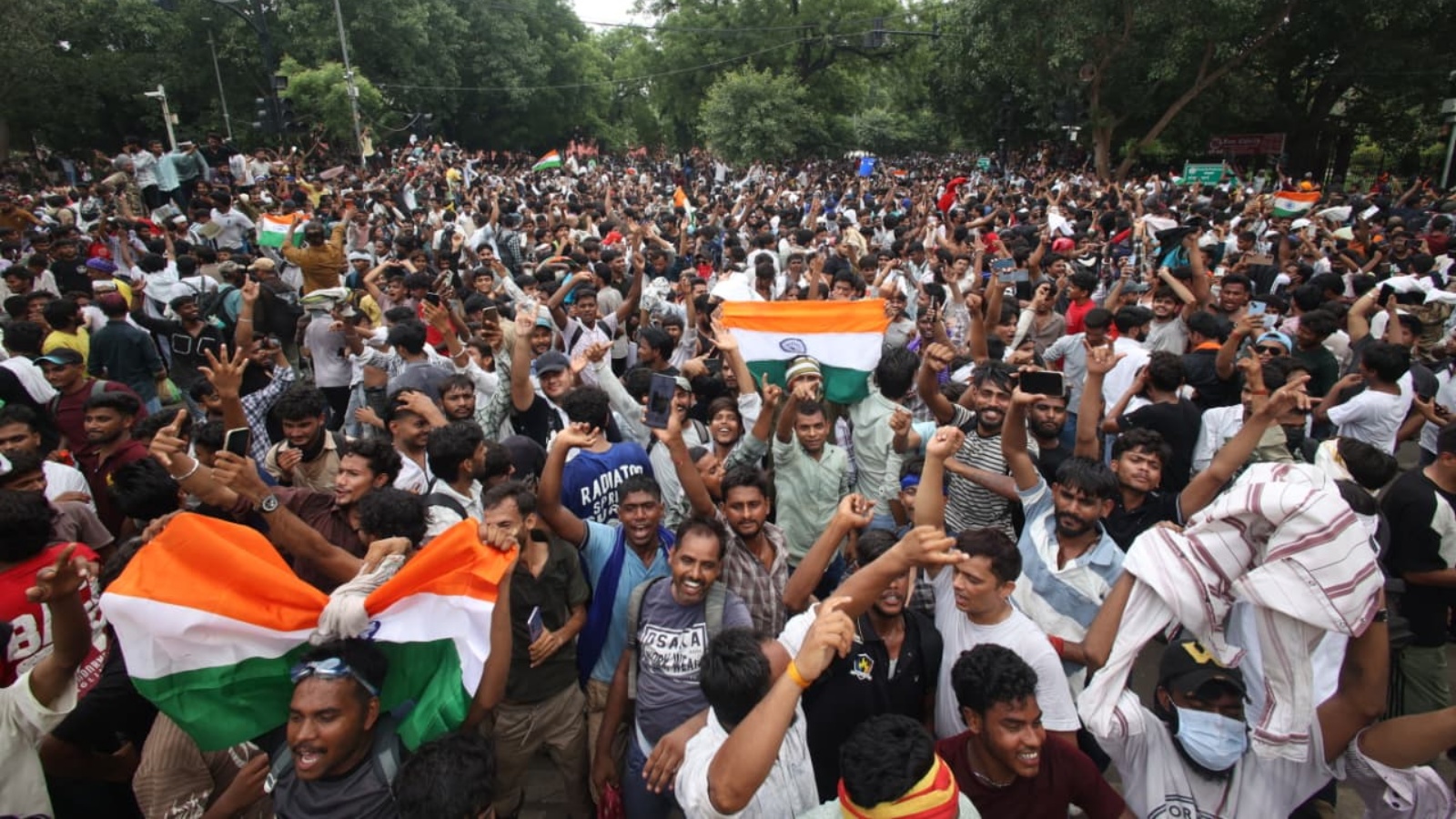
In a profound analysis, Pratap Bhanu Mehta argues that the Gen Z protests are not just a political strike against the Modi government, but a psychological revolt against the culture of accommodation practiced by previous generations.
Key Takeaways
- Gen Z's protest is psychological, rejecting fear as a social norm.
- The movement targets systemic institutional failures rather than radical ideology.
- It challenges the 'politics of accommodation' embraced by the post-liberalization generation.
- Demands focus on constitutional processes, fairness in exams, and accountability.
The recent wave of Gen Z protests has shattered the government's illusion of invincibility. As noted by Pratap Bhanu Mehta, these movements—visible in student protests across regions like Jharkhand—are far more complex than a simple critique of a political dispensation. They represent a fundamental protest against the very architecture of Indian society and the institutions that have become complicit in its decay.
Surprisingly, the core demands of these students are not radical in the traditional sense. They are not seeking to dismantle capitalism or engage in ideological warfare. Instead, they are demanding the basics: institutional accountability, fairness in competitive examinations, quality education, and reliable employment. By using constitutional language and demanding better appointments to bodies like the UPSC, they are expressing a profound faith in the democratic process itself.
Why This Matters
BozokMedia analysis shows that this rebellion is uniquely psychological. While the current administration's authoritarian tendencies have certainly induced fear, there is a deeper layer: the rejection of the 'survivalist accommodation' that defined their parents' generation. The post-liberalization era taught citizens that individual career advancement was a better substitute for collective social action.
The Gen Z revolt is radical because it states a blunt truth: the politics of accommodation is no longer a viable option.
For decades, the social contract suggested that if individuals focused on their private success, the nation would progress. However, as the fundamental norms of fair access—such as transparent exam systems—erode, this promise becomes hollow. Gen Z is realizing that individual navigation is impossible if the terrain itself is broken.
Frequently Asked Questions
1. Is the Gen Z protest an anti-government movement?
While directed at the current government's policies, it is primarily a protest against systemic unfairness and institutional decay.
2. How does this differ from the student politics of the 1970s?
Unlike the highly ideological and sometimes violent movements of the 70s, Gen Z focuses on constitutional rights and institutional integrity.


