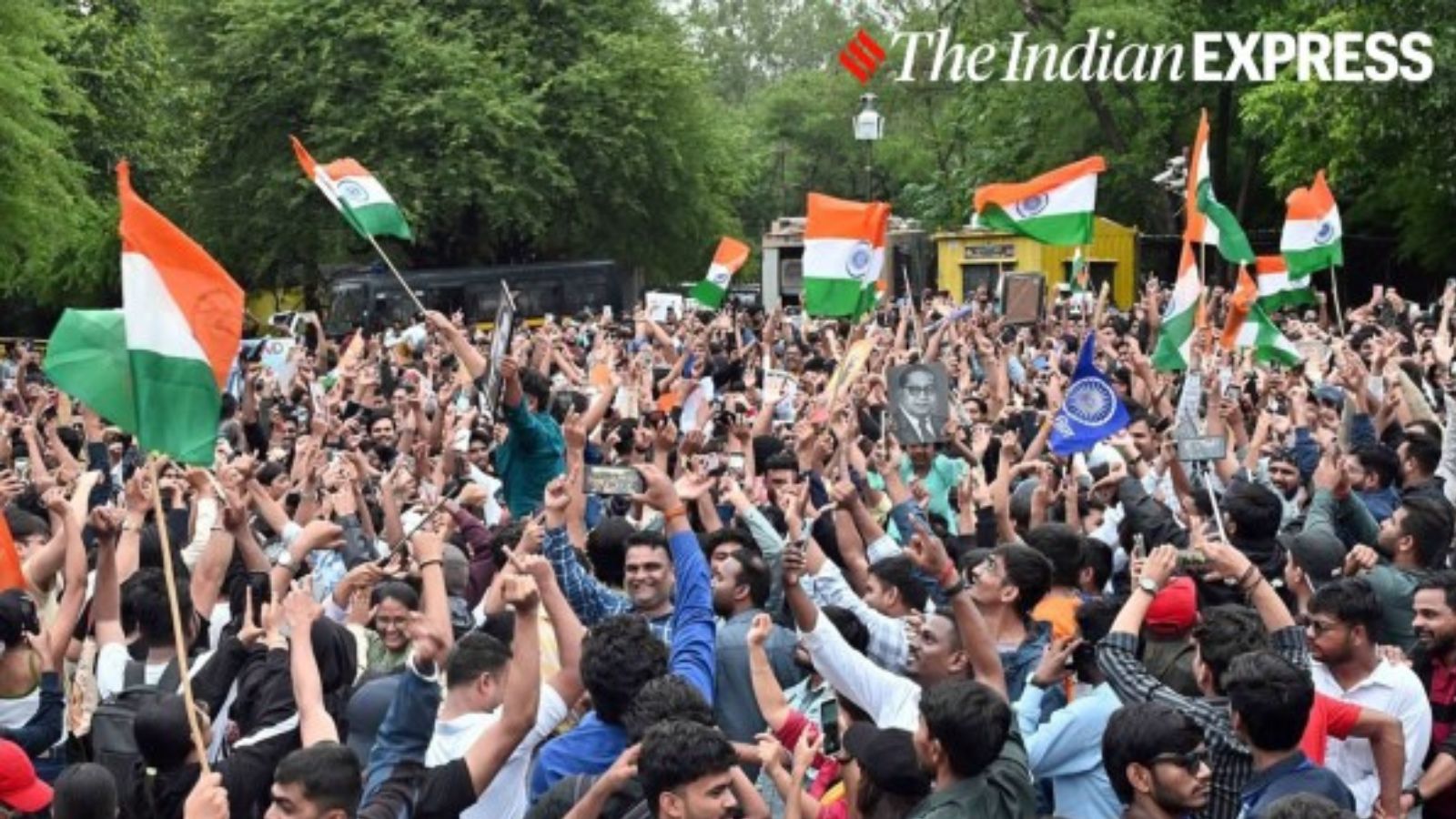
Recent political upheavals, from student protests at Jantar Mantar to unexpected electoral losses in Bihar, signal a massive shift in India's political landscape. A new, digitally-connected generation is demanding change.
Key Takeaways
- Youth-led movements, like the CJP protests, are creating unprecedented political reversals.
- The loss in Bankipur, Bihar, indicates a vulnerability in BJP's traditional urban strongholds.
- India's Gen Z is moving away from caste-based loyalty toward aspiration-driven voting.
Politics can undergo more transformation in a single week than in several months. Following the BJP's 2024 Lok Sabha results and subsequent state wins, the narrative of one-party dominance has been challenged. Between July and August 2026, the focus shifted from the perceived weakness of the opposition to the growing vulnerabilities of the BJP.
The resignation of Union Education Minister Dharmendra Pradhan following protests led by the Cockroach Janta Party (CJP) at Jantar Mantar marks a rare political reversal in Narendra Modi's third term. This movement was spearheaded by a generation that was arguably too young to have even voted in 2014, highlighting a significant demographic shift.
Why This Matters
BozokMedia analysis shows that India's cities are growing faster than its political structures can adapt. With nearly half the population under the age of 30, the electorate is becoming increasingly urban, college-educated, and digitally connected. This demographic does not vote based on old political loyalties but judges governments on their ability to provide future opportunities.
The rise of new political entrepreneurs suggests that traditional parties are failing to capture the imagination of India's aspirational youth.
The electoral loss in Bankipur, a long-standing BJP stronghold in Bihar, further underscores this trend. Even the victory of Joseph Vijay’s TVK in Tamil Nadu, driven by urban voters seeking 'Change,' mirrors the sentiment seen at Jantar Mantar. For the BJP, the challenge is to reclaim its identity as the party of aspiration; for the Opposition, the task is to offer a vision of the future rather than just a ledger of past grievances.
Frequently Asked Questions
1. What does the Bankipur result signify?
It signifies that even the most secure urban constituencies for the BJP are now susceptible to shifts in voter sentiment.
2. How is the youth voting differently?
Younger voters are leveraging social media to organize and are prioritizing economic and social opportunities over traditional caste networks.