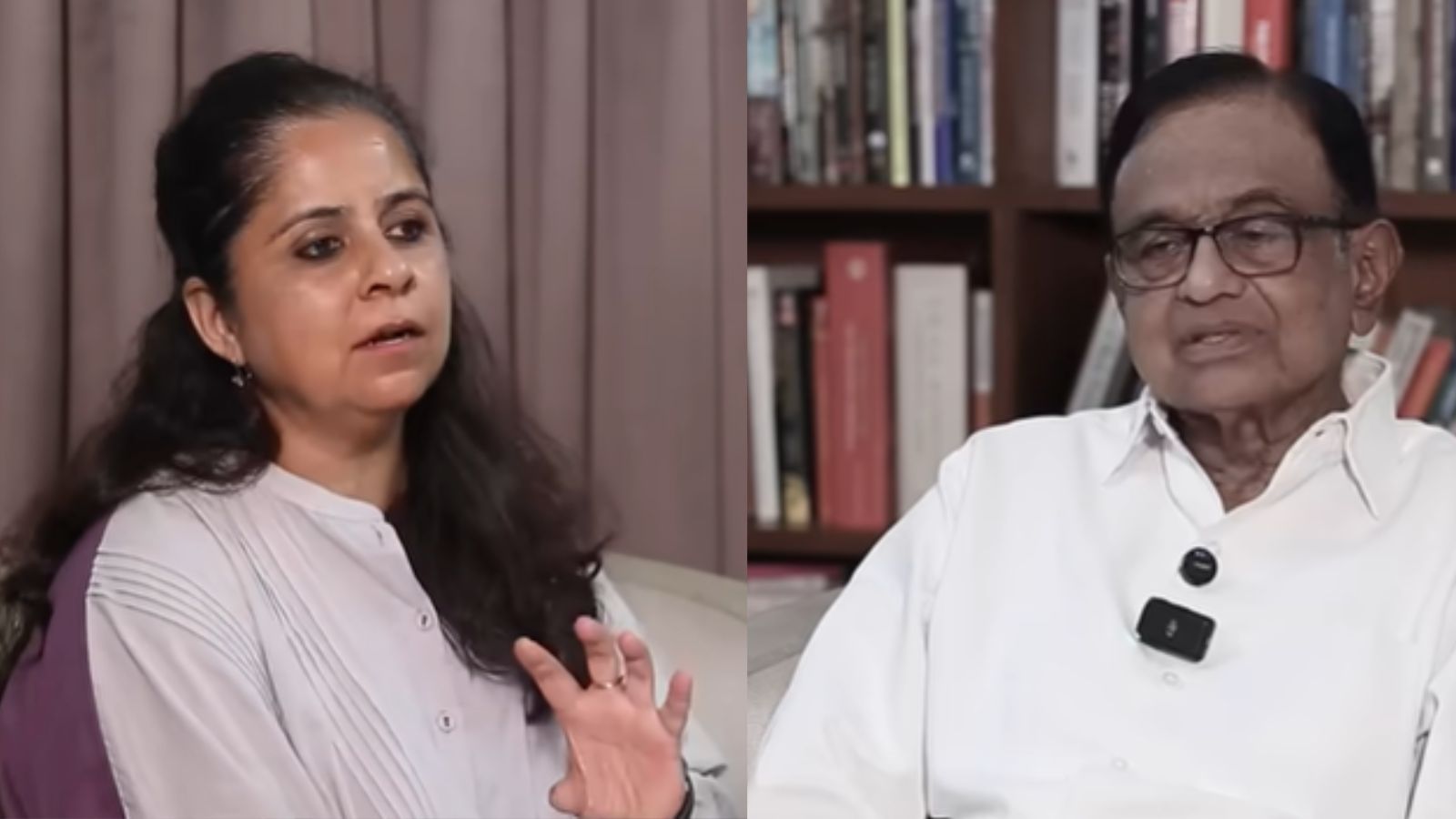
Ex-Finance Minister P. Chidambaram has cast doubt on the tabling of the FCRA amendment bill and slammed the government over Amit Shah's absence from Parliament and the delay in J&K statehood.
Key Takeaways
- P. Chidambaram suggests the proposed FCRA amendments may not be tabled in Parliament.
- Criticized Home Minister Amit Shah's 10-day absence from both Houses.
- Labeled the Public Examinations Act as 'punitive' rather than 'preventative'.
- Questioned the constitutional validity of splitting a state into Union Territories.
Senior Congress leader and former Finance Minister P. Chidambaram has raised significant questions regarding the government's legislative agenda. Speaking on the proposed amendments to the Foreign Contribution Regulation Act (FCRA), Chidambaram indicated that the bill might undergo changes and may not even be tabled in Parliament as expected.
Accountability and Parliamentary Conduct
A major point of contention raised by the Congress leader was the absence of Union Home Minister Amit Shah from both the Rajya Sabha and Lok Sabha for the past ten days. Chidambaram supported the Opposition's demand for accountability, stating that a Home Minister must stand in the House to explain his position and respond to queries.
Why This Matters
BozokMedia analysis shows that the tension between the Treasury and Opposition benches is escalating over issues of transparency and legislative intent. The government's struggle to build consensus on delimitation and FCRA amendments highlights a growing friction in the parliamentary process.
"A Home Minister should come to the House, stand up and explain his position."
Regarding the Public Examinations Act, Chidambaram offered a scathing critique. He argued that the law is essentially a 'post-facto' punishment mechanism rather than a preventive measure. "Show me one provision which prevents unfair means. It’s all about punishment," he remarked, noting that the law fails to compensate students for the loss of time caused by exam leaks.
The Jammu & Kashmir Constitutional Dilemma
Reflecting on the seven-year anniversary of the abrogation of Article 370, Chidambaram termed the restructuring of Jammu and Kashmir as a fundamental constitutional question. He challenged the legality of dividing a full-fledged state into multiple Union Territories, arguing that the state had acceded to India as a complete entity.
Frequently Asked Questions
1. What is Chidambaram's stance on the FCRA Bill?
He believes the bill is uncertain and may undergo significant amendments or fail to be tabled altogether.
2. Why did he criticize the Public Examinations Act?
He argues it focuses on punishing offenders after the fact rather than preventing exam malpractice from occurring in the first place.