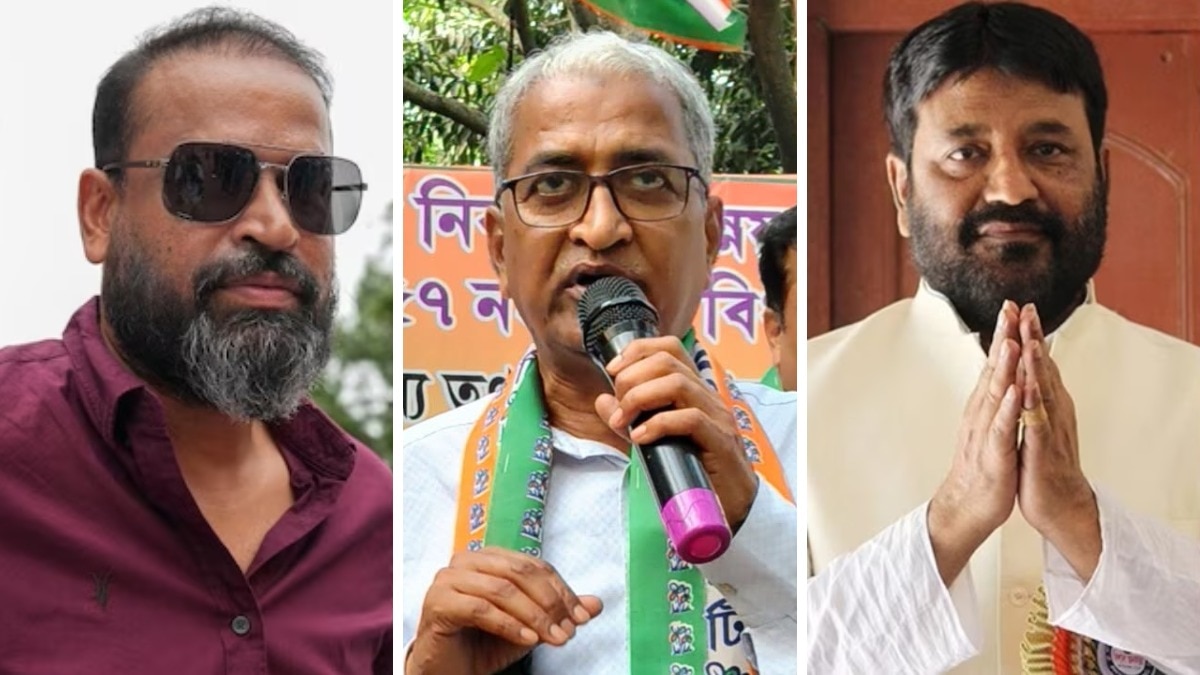
Three MPs from Murshidabad have distanced themselves from the NDA despite moving away from TMC. This strategic move aims to balance local demographics and political survival.
Key Takeaways
- MPs Abu Taher Khan, Khalilur Rahman, and Yusuf Pathan have joined the NCPI.
- They have maintained a formal distance from the BJP-led NDA coalition.
- The move is driven by the sensitive minority-heavy demographics of Murshidabad.
- The leaders are focusing on issue-based diplomacy rather than full alliance.
The political landscape of West Bengal is witnessing a significant transformation. Three influential Members of Parliament from the Murshidabad region—Abu Taher Khan, Khalilur Rahman, and Yusuf Pathan—have adopted a calculated stance that has sent ripples through the state's political circles. Having previously departed from Mamata Banerjee's Trinamool Congress (TMC), they are now operating under the banner of the 'Nationalist Citizens Party of India' (NCPI).
In a surprising tactical maneuver, these leaders have chosen not to formally join the BJP-led NDA coalition. While they maintain communication with central authorities on administrative and constituency-specific matters, they deliberately avoid high-level parliamentary meetings associated with the NDA. This 'measured detachment' suggests a sophisticated political survival strategy.
Why This Matters
BozokMedia analysis shows that this decision is deeply rooted in the complex demographic fabric of Murshidabad. As a region with a significant minority population, a formal alignment with the BJP could jeopardize these leaders' standing among their core electorate. By staying independent, they avoid the stigma of ideological compromise while still engaging with the central government on critical issues.
By choosing issue-based engagement over formal alliance, these MPs are attempting to navigate the narrow corridor between central power and local voter sentiment.
Jangipur MP Khalilur Rahman recently emphasized that their interactions with Home Minister Amit Shah are strictly limited to specific concerns, such as the controversy regarding loudspeakers in mosques and voter list corrections. This approach allows them to act as effective representatives without being tethered to a larger party's manifesto.
Historical Background
West Bengal has a long history of political volatility and shifting loyalties. The transition of leaders from dominant parties like TMC to smaller, independent entities is a recurring theme, especially in districts where local identity and community demographics play a more decisive role than national narratives.
Frequently Asked Questions
1. Which party do these three MPs belong to now?
They are currently members of the Nationalist Citizens Party of India (NCPI).
2. Why are they avoiding the NDA?
To protect their political influence within the minority-heavy constituency of Murshidabad.

