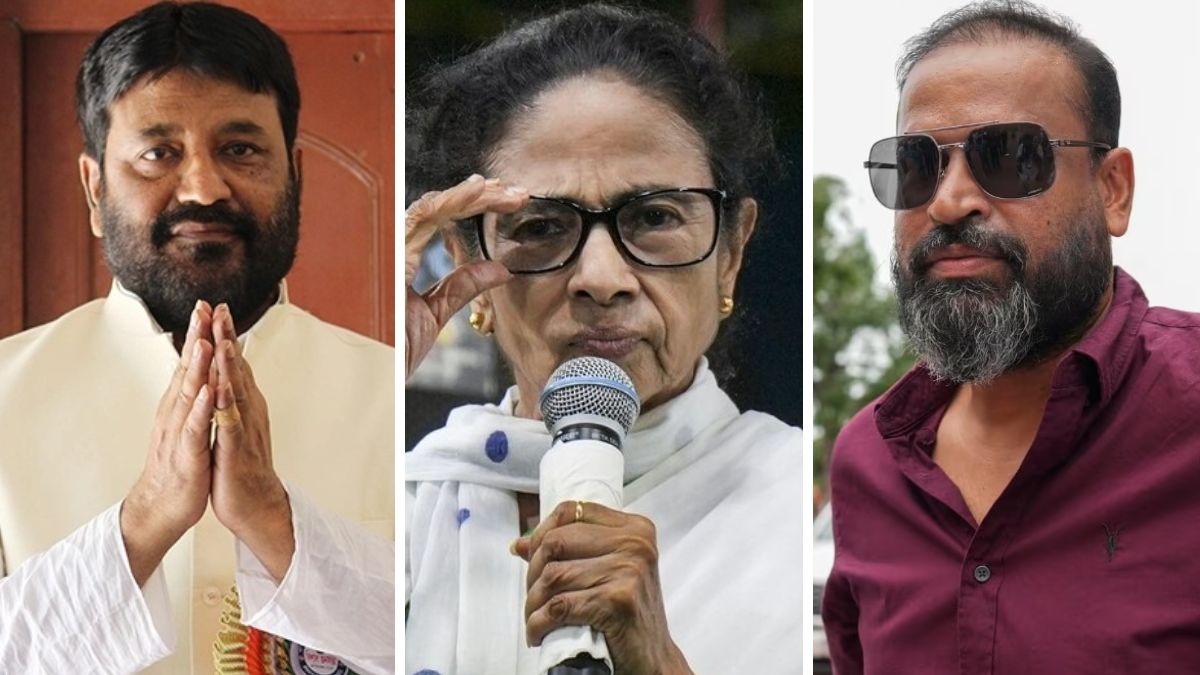
Three Muslim MPs from Murshidabad, having broken away from TMC, are adopting a cautious middle path. While aligned with the NCPI, they are avoiding formal ties with the NDA to protect their core voter base while focusing on development and specific policy issues.
Key Takeaways
- MPs Abu Tahir Khan, Khalilur Rahman, and Yusuf Pathan have moved from TMC to the NCPI.
- The leaders are avoiding formal entry into the NDA to maintain ideological balance.
- They are engaging with the Center solely on administrative and developmental issues.
- A high-level meeting was held with Home Minister Amit Shah regarding mosque loudspeaker regulations.
A significant shift is occurring in the political landscape of West Bengal. Three prominent Muslim MPs from the Murshidabad region—Abu Tahir Khan, Khalilur Rahman, and Yusuf Pathan—have carved out a unique political niche. After breaking away from the Trinamool Congress (TMC), they have joined the 'Nationalist Citizens Party of India' (NCPI), yet they are exercising extreme caution regarding any formal alliance with the BJP-led NDA.
A Calculated Political Distance
Rather than joining the ruling coalition outright, these leaders are practicing a strategy of 'measured distance.' They have notably abstained from high-level parliamentary meetings of the NDA in New Delhi. Instead, their interactions with the central leadership are strictly confined to administrative matters and local development projects. This approach allows them to seek resources for their constituencies without being accused of abandoning their ideological roots.
Expert analysis suggests these MPs are performing a delicate balancing act to prevent voter alienation in sensitive demographics.
The strategic intent was evident when MP Khalilur Rahman emphasized that discussions with the Home Ministry were focused on specific issues rather than broad political alliances. Notably, the group met with Home Minister Amit Shah to discuss sensitive matters, including the regulation of loudspeakers at mosques in West Bengal.
Why This Matters: BozokMedia Analysis
BozokMedia analysis shows that Murshidabad remains one of the most demographically sensitive regions in Bengal. For minority representatives, a formal embrace of the BJP or NDA could lead to a massive loss of support at the grassroots level. By adopting 'issue-based neutrality,' these MPs are challenging the traditional bipolar political structure of West Bengal, forcing both state and central leaders to negotiate on policy rather than mere party loyalty.
Frequently Asked Questions
1. Which party did these MPs leave?
The three MPs have distanced themselves from the Trinamool Congress (TMC).
2. What is their current political affiliation?
They are currently part of the Nationalist Citizens Party of India (NCPI).