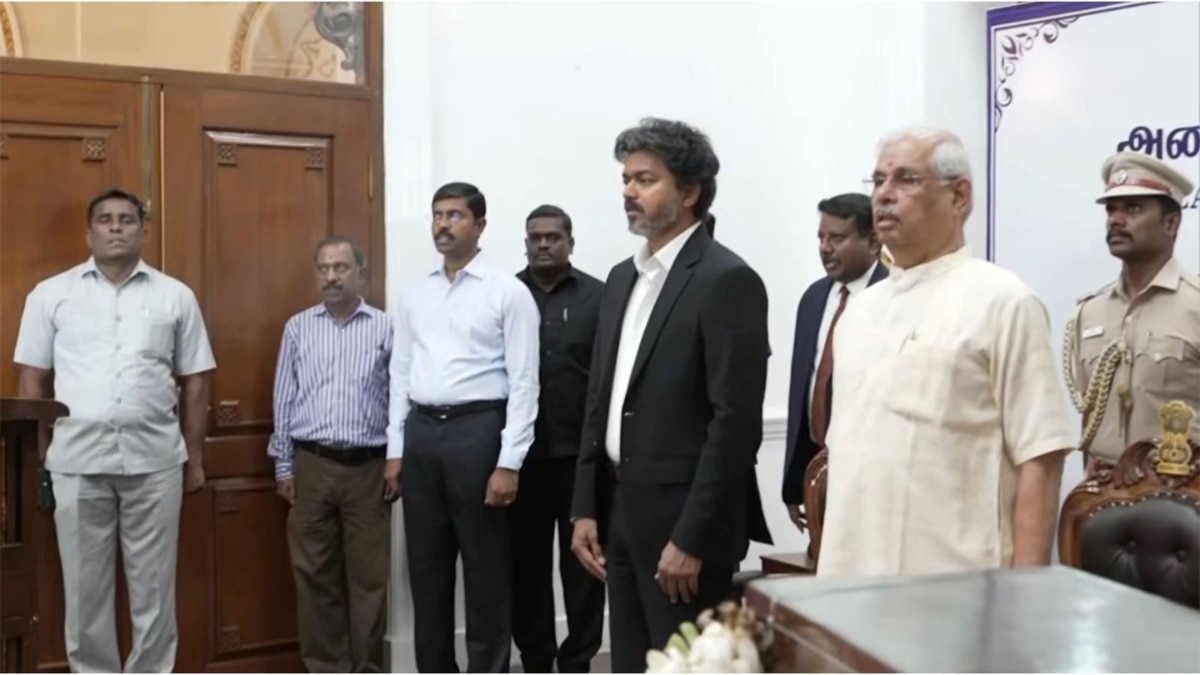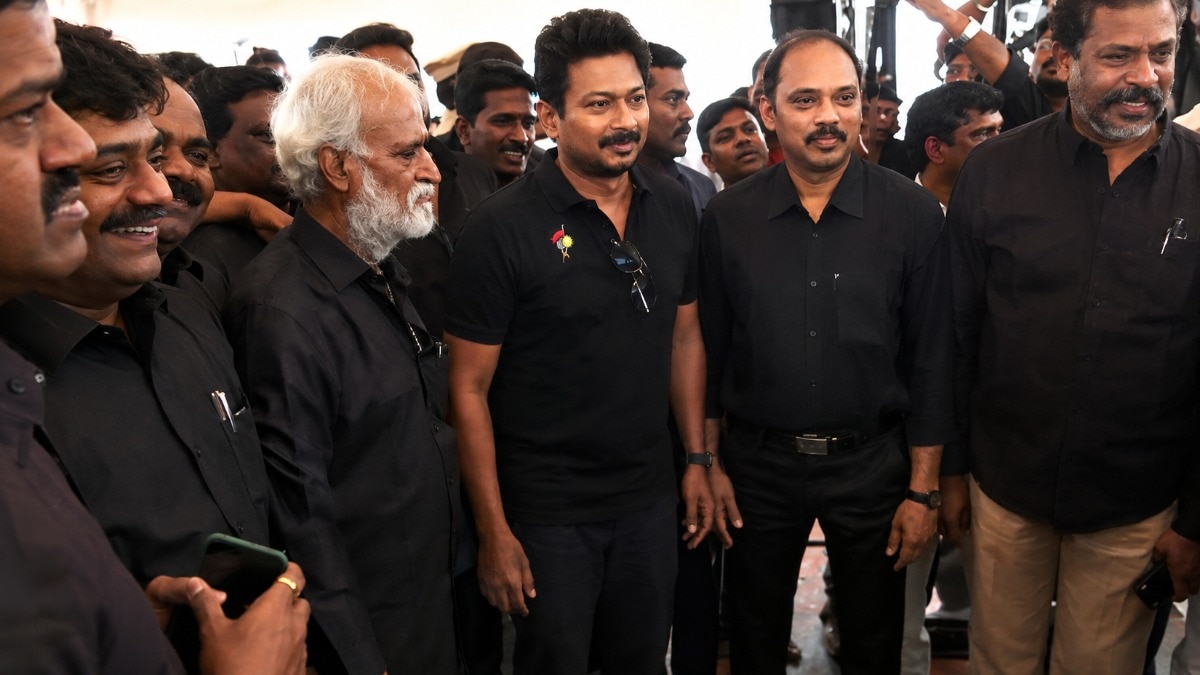
Tamil Nadu’s DMK chief Udhayanidhi Stalin spearheaded a black‑shirt demonstration outside the Assembly, demanding swift action before the upcoming budget session.
Key Takeaways
- Udhayanidhi Stalin organized a black‑shirt protest
- Protest timed just before the budget session
- Demands immediate economic measures from the government
Key Developments
Outside the Tamil Nadu Legislative Assembly, Udhayanidhi Stalin led a massive crowd wearing black shirts, signaling dissent ahead of the budget session. The demonstration aimed to pressure the state government into accelerating economic reforms and social welfare initiatives.
Senior DMK leaders and numerous youth activists joined the march, turning the black shirt into a powerful symbol of opposition to perceived policy inertia.
The core demand centered on greater transparency in the state’s fiscal plan, rapid implementation of welfare schemes, and addressing rising unemployment.
Historical Background
DMK has historically used the black‑shirt motif during periods of political unrest, notably in the 1990s when the party rallied public support against economic mismanagement. The symbolism traces back to broader Indian protest traditions.
Why This Matters
BozokMedia analysis shows that staging a large‑scale protest just before the budget can compel policymakers to rethink fiscal priorities, especially when inequality and joblessness dominate public discourse.
"The black‑shirt protest is not merely symbolic; it sends a clear, urgent message to legislators to act now," says political analyst Dr. Ravi Singh.
Frequently Asked Questions
Q: What is the main demand of the protest?
A: Faster implementation of social welfare and economic reforms in the upcoming budget.
Q: Could this protest influence policy?
A: Experts believe it could shape budget allocations and boost DMK’s standing ahead of upcoming elections.