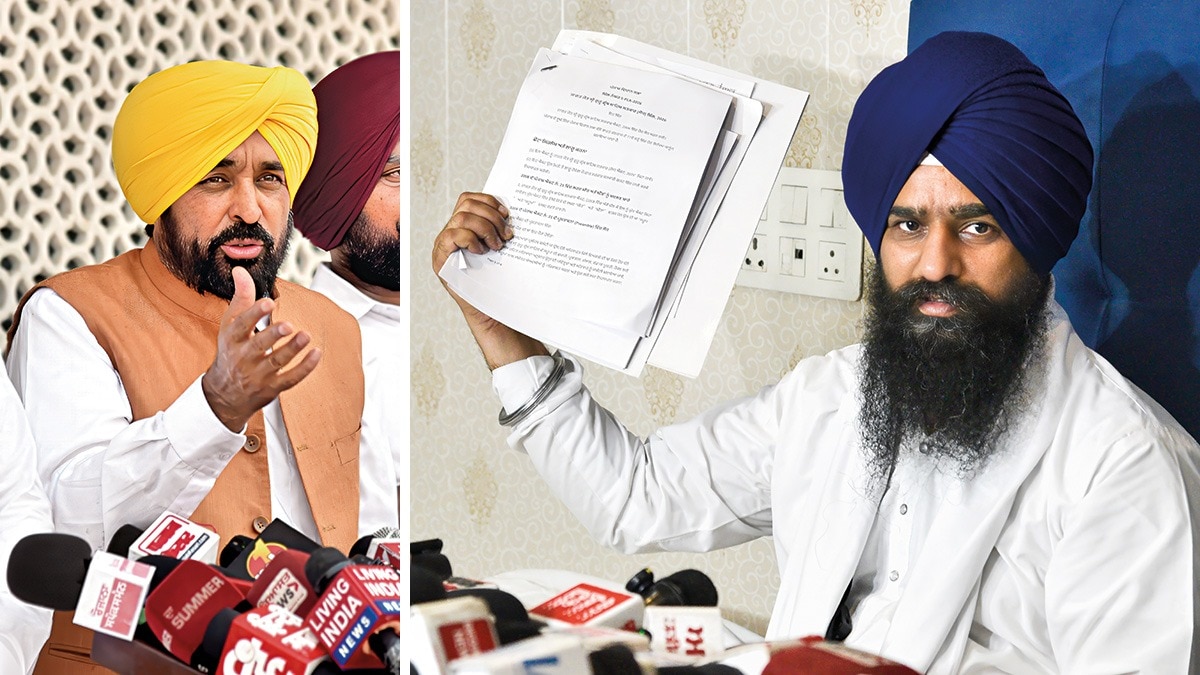
An expert panel appointed by the Akal Takht has demanded that the Punjab government submit a compliance report regarding religious objections before any discussions on the proposed anti-sacrilege legislation can proceed.
Key Takeaways
- The Akal Takht panel requires a compliance report before discussing the anti-sacrilege law.
- The panel claims the Punjab government's previous response ignored core religious objections.
- No legislative amendments should occur without 'Panthic' consensus.
- The committee includes retired judges and prominent Sikh scholars.
The expert panel appointed by the Akal Takht has taken a decisive stand against the Punjab government. The panel has mandated that the state must first file a comprehensive compliance report addressing the objections raised by the Sikh temporal seat before any further deliberations on the proposed Jaagat Jot Sri Guru Granth Sahib Satkar (Amendment) Act, 2026 can take place.
During its first meeting held on Thursday, the panel expressed dissatisfaction with the Punjab government's response dated July 29. According to the panel, the government's reply was an attempt to 'obfuscate facts' and failed to address fundamental concerns, particularly regarding provisions that appear to interfere in Sikh religious matters.
Why This Matters
BozokMedia analysis shows that this standoff represents a critical juncture in the relationship between the state administration and religious institutions. The demand for 'Panthic consensus' highlights the significant influence of the Akal Takht in matters concerning religious legislation in Punjab.
Any legislative move regarding religious sanctity without the consensus of the Panth risks undermining the spiritual authority of the Akal Takht.
Jathedar Giani Kuldip Singh Gargajj had previously directed the government to resolve these objections within a month. He has also instructed all Sikh MLAs and Cabinet ministers to ensure that no discussion or amendment on the anti-sacrilege law occurs in the Assembly without reaching a consensus with the Akal Takht and the SGPC.
Historical Background
Sacrilege cases in Punjab have historically been a flashpoint for social and political unrest. The sanctity of the Guru Granth Sahib is central to the Sikh faith, and any perceived legislative encroachment on religious protocols has historically led to widespread protests and intense political scrutiny.
Frequently Asked Questions
1. Who are the members of the expert panel?
The panel includes Justice (Retd) Rupinder Singh Sodhi, Justice (Retd) Mohinder Mohan Singh Bedi, senior advocate Puran Singh Hundal, and scholars Dr. Kehar Singh and Prof. Jagmohan Singh.
2. What is the main grievance of the Akal Takht?
The main grievance is that the proposed law contains provisions that interfere in religious matters without proper consultation with the Sikh community.